July 17, 2001

The 27th G8 summit is held in Genoa, Italy, marked by large anti-globalization protests and violent clashes with police.


Genoa, Italy | G8
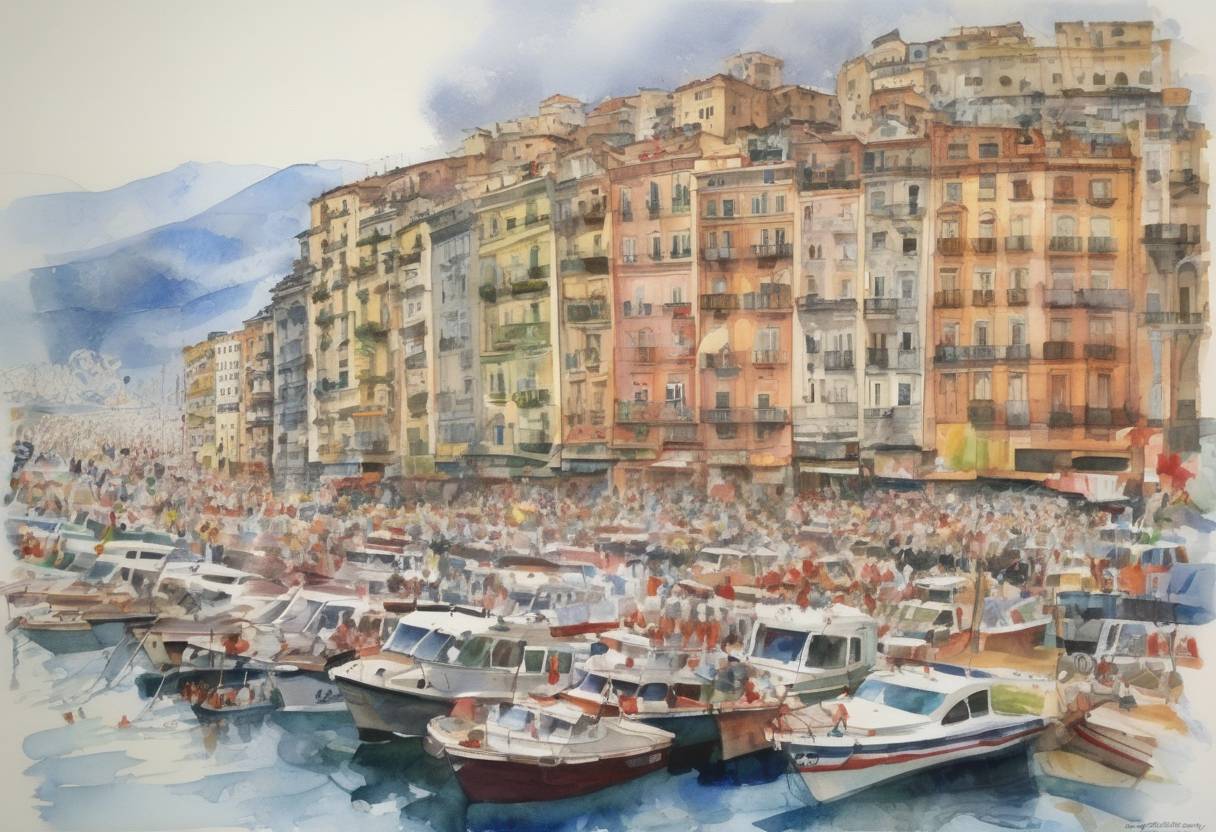
Watercolor painting based depiction of The 27th G8 summit is held in Genoa, Italy, marked by large anti-globalization protests and violent clashes with police. (2001)

The 27th G8 Summit in Genoa, Italy (July 17-22, 2001)

The 27th G8 Summit, held in Genoa, Italy, from July 20 to July 22, 2001, was a significant event marked by intense anti-globalization protests and violent clashes between demonstrators and police forces. This summit brought together leaders from the world’s major industrialized nations to discuss global economic policies and other pressing international issues.

Context and Background

The G8, or Group of Eight, was an assembly of the world’s major economies, including Canada, France, Germany, Italy, Japan, Russia, the United Kingdom, and the United States. The summit aimed to address global economic governance, trade, and development issues. However, by the early 2000s, the G8 had become a focal point for anti-globalization activists who criticized the group’s policies for promoting economic inequality and environmental degradation.

Key Events Leading Up to the Summit

  • Globalization Debate: The late 1990s and early 2000s saw a growing movement against globalization, with activists arguing that it disproportionately benefited wealthy nations and multinational corporations at the expense of poorer countries and the environment.
  • Previous Protests: Prior G8 summits and similar international meetings, such as the World Trade Organization (WTO) conference in Seattle in 1999, had already seen significant protests, setting the stage for heightened tensions in Genoa.

The Genoa Summit and Protests

  • Security Measures: In anticipation of protests, Italian authorities implemented extensive security measures, including a “red zone” around the summit venue, patrolled by thousands of police and military personnel.
  • Protests and Clashes: Despite these measures, tens of thousands of protesters gathered in Genoa, representing a wide range of groups, including environmentalists, labor unions, and anti-capitalist organizations. The protests quickly escalated into violent clashes with police, resulting in widespread chaos.
  • Death of Carlo Giuliani: On July 20, 2001, a tragic incident occurred when a 23-year-old protester, Carlo Giuliani, was shot and killed by a police officer during a confrontation. His death became a symbol of the summit’s violence and sparked further outrage.

Aftermath and Consequences

  • Public Outcry: The violence in Genoa drew international condemnation and highlighted the deep divisions between global economic policymakers and grassroots movements advocating for social and economic justice.
  • Policy and Security Reevaluation: The events prompted a reevaluation of security strategies for future international summits and increased scrutiny of police tactics.
  • Legacy of the Protests: The Genoa summit became a pivotal moment in the anti-globalization movement, galvanizing activists worldwide and influencing subsequent protests and policy discussions.

Broader Historical Significance

The 27th G8 Summit in Genoa underscored the growing tensions between global economic governance and grassroots movements advocating for more equitable and sustainable policies. It highlighted the challenges of addressing complex global issues in a way that balances economic growth with social and environmental responsibility. The summit’s legacy continues to influence debates on globalization and international cooperation.