1858 · Fort Myers, United States
Halleck Tustenuggee, a leading Seminole warrior, agreed to emigrate to the Indian Territory west of the Mississippi River after being persuaded by General William S. Harney during the Third Seminole War.
August 14, 1842
The Second Seminole War ended with the United States Army declaring victory over the Seminole tribe in Florida.
Tampa, United States | United States Army
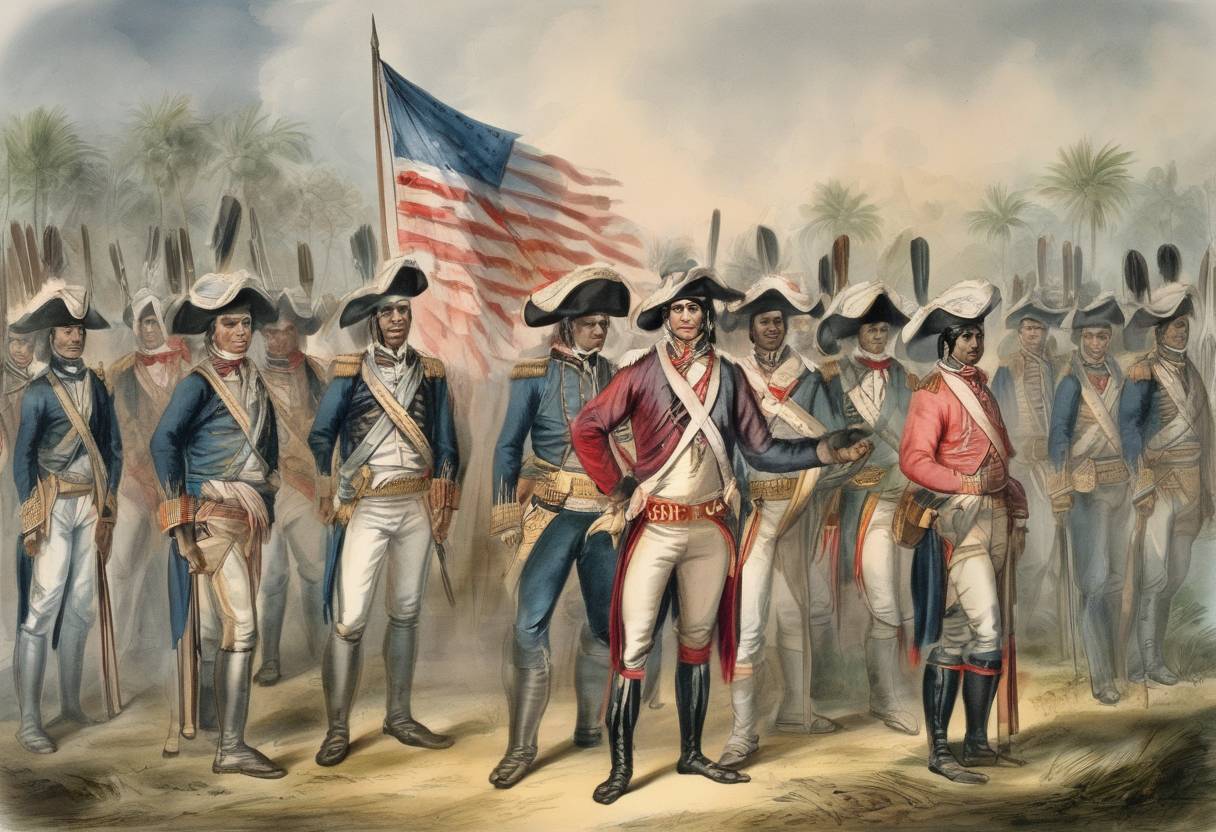
The Second Seminole War, a protracted and costly conflict between the United States and the Seminole tribe in Florida, officially concluded on August 14, 1842. This war, which lasted from 1835 to 1842, was one of the longest and most expensive Indian wars in United States history.
The roots of the Second Seminole War lay in the Indian Removal Act of 1830, which aimed to relocate Native American tribes from their ancestral lands in the southeastern United States to designated “Indian Territory” west of the Mississippi River. The Seminoles, who had already faced pressure from earlier treaties, resisted removal from their lands in Florida.
Dade Massacre (1835): The war began in earnest with the Dade Massacre on December 28, 1835, when Seminole warriors ambushed and killed over 100 U.S. soldiers. This event galvanized U.S. military efforts to subdue the Seminoles.
Guerrilla Warfare: The Seminoles, led by chiefs such as Osceola, employed guerrilla tactics, using the dense Florida swamps to their advantage. This made it difficult for U.S. forces to achieve a decisive victory.
Capture of Osceola (1837): In a controversial move, Osceola was captured under a flag of truce in 1837. His imprisonment and subsequent death in 1838 dealt a blow to the Seminole resistance but did not end the conflict.
Continued Resistance: Despite the loss of key leaders, the Seminoles continued to resist, leading to a drawn-out conflict that strained U.S. military resources and finances.
By 1842, the U.S. government, weary of the ongoing conflict and its costs, decided to change its strategy. The new approach involved offering land and monetary incentives to Seminoles who agreed to relocate. This, combined with relentless military pressure, led to the gradual reduction of Seminole resistance.
On August 14, 1842, the U.S. Army declared victory, marking the official end of the Second Seminole War. However, the conflict did not result in the complete removal of the Seminoles. A small group of Seminoles remained in the Florida Everglades, where their descendants live today.
Costly Conflict: The Second Seminole War was one of the most expensive Indian wars for the United States, costing millions of dollars and resulting in significant loss of life on both sides.
Seminole Persistence: Despite the U.S. declaration of victory, the Seminoles’ ability to maintain a presence in Florida highlighted their resilience and determination to resist removal.
Impact on U.S. Policy: The war underscored the challenges of enforcing the Indian Removal Act and influenced future U.S. policies toward Native American tribes.
The conclusion of the Second Seminole War marked a significant chapter in the broader narrative of Native American resistance to U.S. expansion and the complex history of U.S.-Native American relations.
Source: www.britannica.com