Execution of Catherine Howard: February 13, 1542
1542 · London, England
Catherine Howard, the fifth wife of King Henry VIII of England, was executed for adultery.
July 9, 1540
King Henry VIII of England annuls his marriage to his fourth wife, Anne of Cleves.
London, England | English monarchy
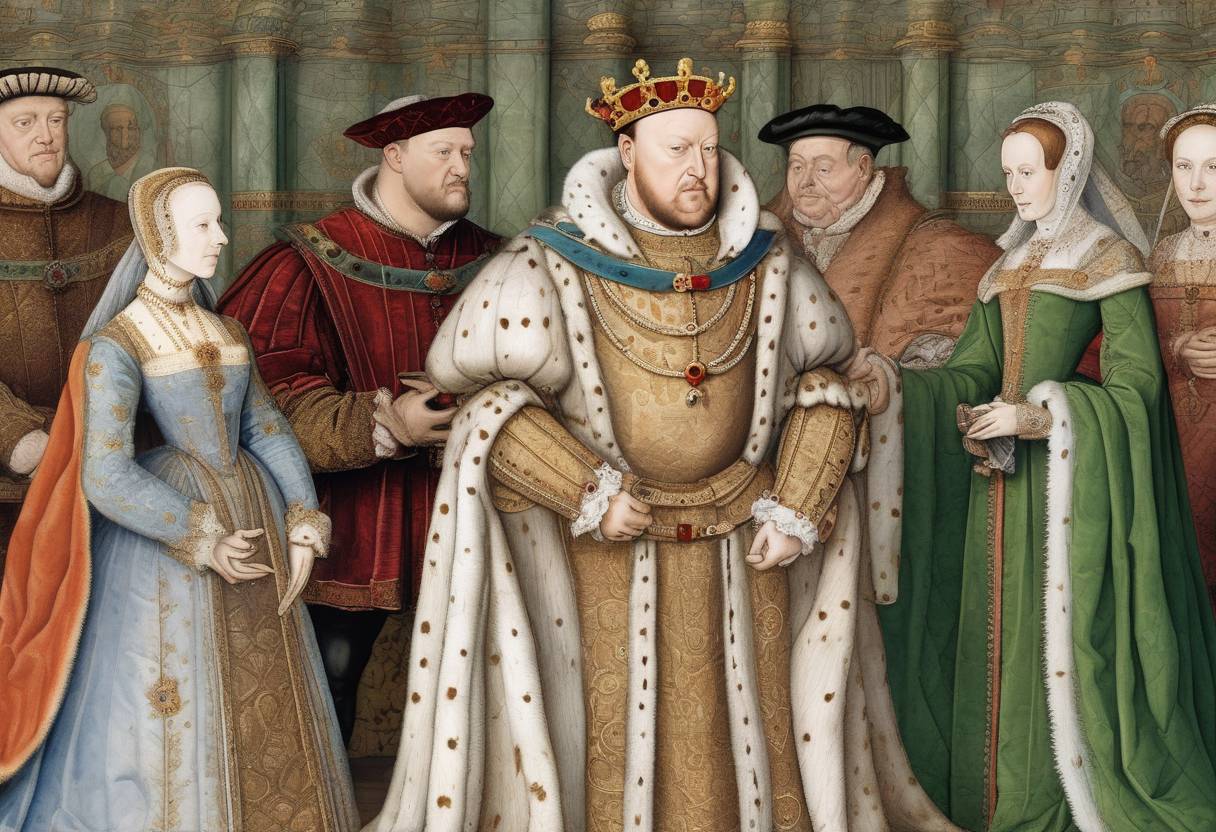
On July 9, 1540, King Henry VIII of England officially annulled his marriage to his fourth wife, Anne of Cleves. This event is a significant episode in the tumultuous marital history of Henry VIII, known for his six marriages and the profound religious and political changes that accompanied them.
Marriage Context: The marriage between Henry VIII and Anne of Cleves was politically motivated. Thomas Cromwell, Henry’s chief minister, arranged the union to forge a Protestant alliance with Anne’s brother, the Duke of Cleves, amid the threat of Catholic powers in Europe.
Initial Impressions: Upon meeting Anne, Henry was reportedly displeased with her appearance, famously referring to her as a “Flanders mare.” Despite this, the marriage went ahead on January 6, 1540, but Henry’s dissatisfaction persisted.
Lack of Consummation: Henry claimed that the marriage was never consummated, citing his inability to perform his marital duties due to Anne’s lack of attractiveness.
Political Shifts: By mid-1540, the political necessity of the alliance with Cleves had diminished, reducing the need to maintain the marriage.
Anne’s Compliance: Anne was cooperative and agreed to the annulment, which facilitated a smoother process. She was granted a generous settlement, including the title of “The King’s Beloved Sister,” and was given several estates.
Legal Grounds: The annulment was granted on the grounds of non-consummation and Anne’s pre-contract with Francis of Lorraine, which was deemed invalid but used as a convenient excuse.
Consequences for Cromwell: The failure of the marriage significantly weakened Thomas Cromwell’s position at court. On the same day the annulment was declared, Cromwell was arrested and later executed on charges of treason and heresy.
Anne’s Life Post-Annulment: Anne lived comfortably in England, maintaining a cordial relationship with Henry and his children. She outlived Henry and all his other wives, dying in 1557.
Impact on Henry’s Reign: The annulment marked a turning point in Henry’s marital and political life, leading to his subsequent marriage to Catherine Howard. It also highlighted the volatile nature of court politics and the precariousness of those who served the king.
Religious and Political Implications: The annulment underscored the complex interplay between personal desires and political alliances in Henry’s reign, reflecting the broader religious and political upheavals of the period.
The annulment of Henry VIII’s marriage to Anne of Cleves is a testament to the intricate and often perilous nature of royal alliances in the 16th century, illustrating the personal and political challenges faced by one of England’s most famous monarchs.
Source: en.wikipedia.org