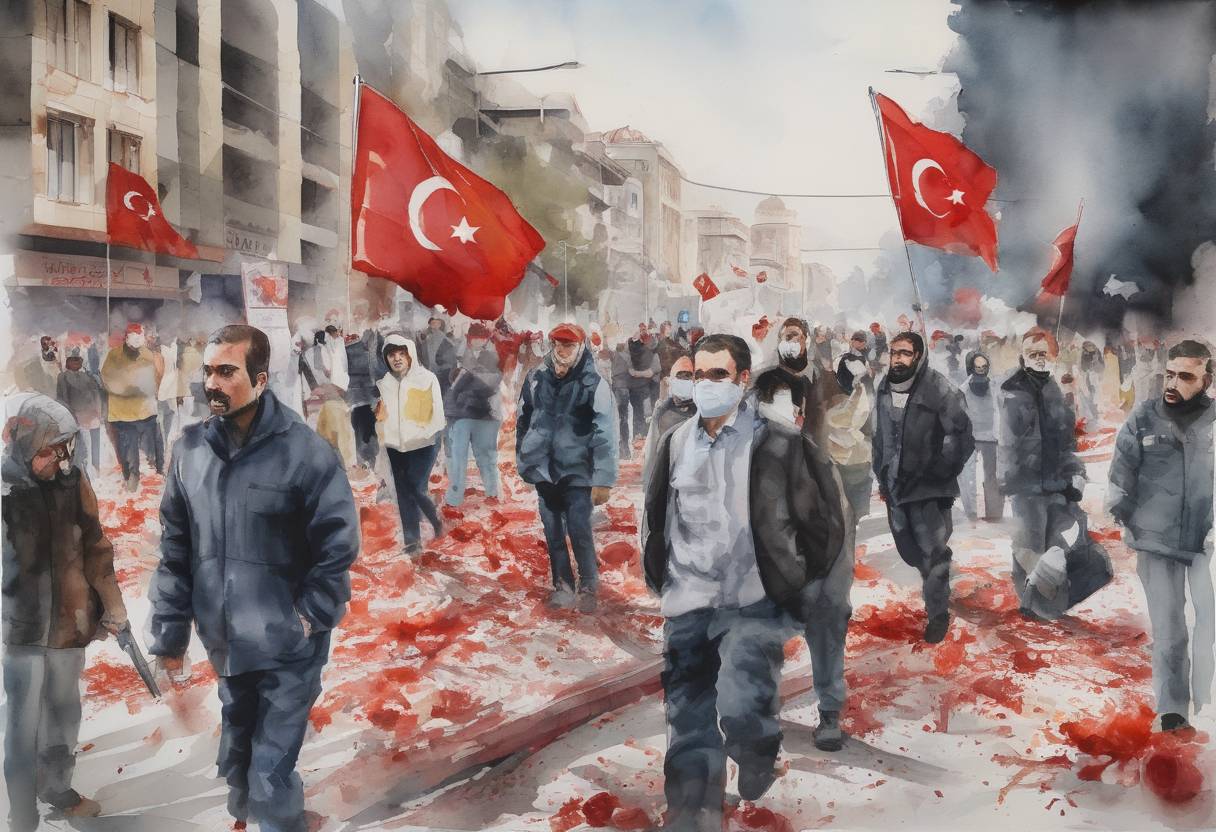
Ankara Bombings - October 10, 2015
On October 10, 2015, Turkey experienced one of the deadliest terrorist attacks in its history when two suicide bombings targeted a peace rally in Ankara, the nation’s capital. This tragic event resulted in the deaths of over 100 people and left more than 400 injured.
Context and Background
Political Climate: At the time, Turkey was grappling with heightened political tensions and security challenges. The country was in the midst of a volatile period marked by renewed conflict with the Kurdistan Workers’ Party (PKK) and the rise of the Islamic State (ISIS) in neighboring Syria and Iraq.
The Peace Rally: The rally was organized by several leftist groups, trade unions, and pro-Kurdish parties. It aimed to promote peace and call for an end to the ongoing violence between Turkish forces and the PKK.
The Attack
Location and Timing: The bombings occurred near Ankara’s central railway station, a strategic location chosen for its high concentration of people attending the rally.
Nature of the Attack: Two suicide bombers detonated their explosives in quick succession, causing mass casualties among the peaceful demonstrators.
Casualties: The attack claimed the lives of at least 103 individuals and injured more than 400, making it the deadliest terrorist attack in modern Turkish history.
Response: The Turkish government declared three days of national mourning. Security measures were heightened across the country, and a swift investigation was launched to identify the perpetrators.
Investigation and Reactions
Perpetrators: The Turkish authorities attributed the attack to ISIS, although the group did not claim responsibility. The investigation suggested that the bombers were linked to ISIS cells operating within Turkey.
Public Reaction: The attack intensified existing political and social tensions within Turkey. It sparked widespread protests and criticism of the government’s handling of security and its policies towards the Kurdish population.
Broader Historical Significance
Impact on Politics: The bombings occurred just weeks before the November 2015 general elections, influencing the political landscape and public opinion. The ruling Justice and Development Party (AKP) faced scrutiny over its security policies.
Security and Policy Changes: The attack led to increased security measures and a more aggressive stance against ISIS and other terrorist organizations within Turkey’s borders.
The Ankara bombings of October 10, 2015, remain a somber reminder of the challenges Turkey faces in maintaining peace and security amidst regional instability and internal divisions.