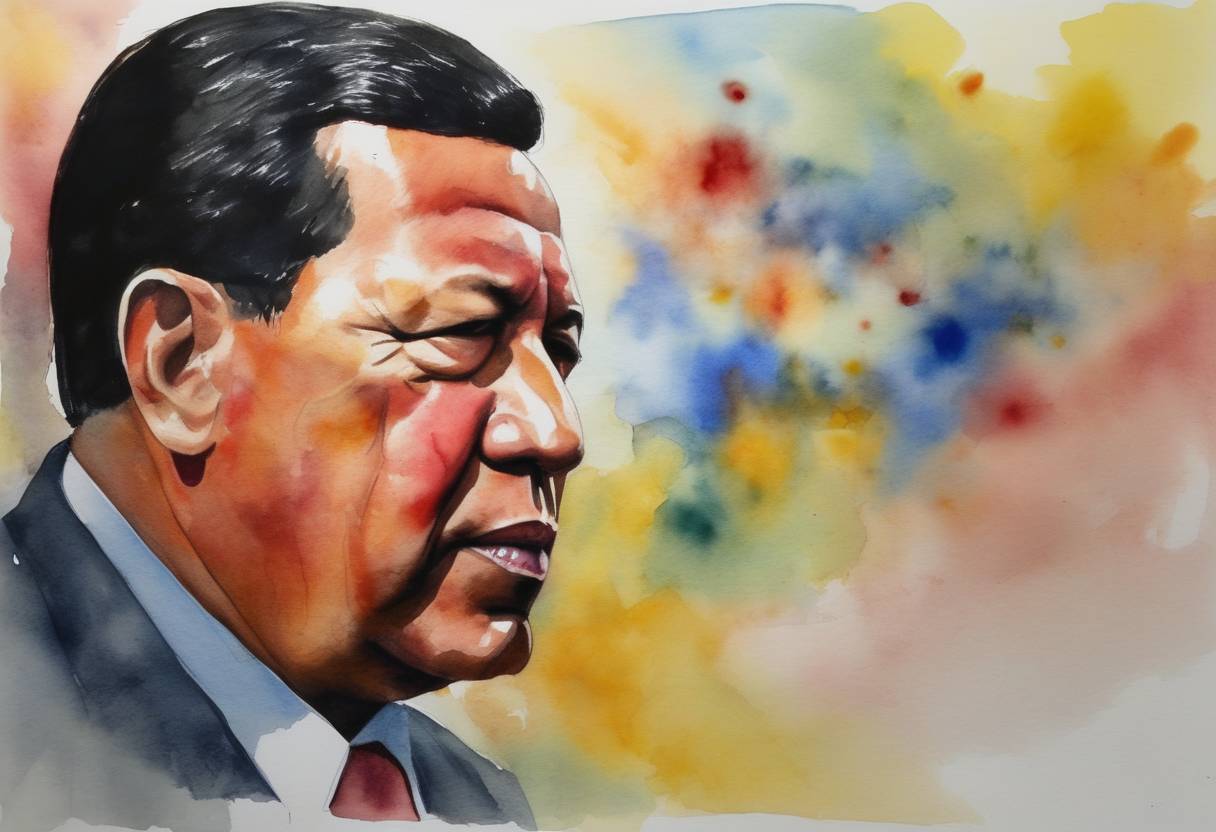
Venezuela Regional Elections on December 10, 2012
On December 10, 2012, Venezuela conducted regional elections that underscored the significant support for then-President Hugo Chávez, despite his absence due to cancer treatment in Cuba. The elections were crucial as they were perceived as a measure of the popularity and influence of Chávez and his political vision in Venezuelan politics.
Context
Prior to these elections, Hugo Chávez had been a dominating figure in Venezuelan politics since his first presidential victory in 1998. Running on a platform of socialism and Bolivarian ideology, Chávez implemented significant political and economic reforms. However, in 2011, he was diagnosed with cancer, and by December 2012, he was in Cuba receiving treatment, which left him absent during these critical regional elections.
Election Outcome
Chávez’s party, the United Socialist Party of Venezuela (PSUV), managed to secure the majority of governorships across the nation. Out of the 23 state governorships contested, the PSUV won 20, which was a testament to Chávez’s enduring influence and the support for his revolutionary politics among Venezuelans, even in his absence.
Key Results
- The opposition, primarily grouped under the Democratic Unity Roundtable, managed only a few victories, which included maintaining control over key regions like Miranda, where the opposition leader at the time, Henrique Capriles, was re-elected as governor.
- The PSUV’s wide-reaching success indicated not only Chávez’s substantial grassroots support but also a consolidation of power and a probable influence over future political landscapes.
Significance and Aftermath
These elections were widely perceived as a referendum on Chávez’s presidency and his agenda, showcasing the allegiance of many Venezuelans to his political ideology. It also highlighted the challenges faced by the opposition in penetrating the largely pro-Chávez electorate.
The successful outcome for the PSUV paved the way for further endorsement of Chávez’s socialist policies, even as Chávez himself was absent, preoccupied with his health struggles. This victory was crucial for the PSUV in maintaining its dominance over Venezuelan politics and controlling significant state resources and powers.
Chávez’s health remained a significant concern following the elections. Unfortunately, he passed away in March 2013. The leadership transition that followed saw Vice President Nicolás Maduro rising to power, a period marked by political and economic challenges for Venezuela.