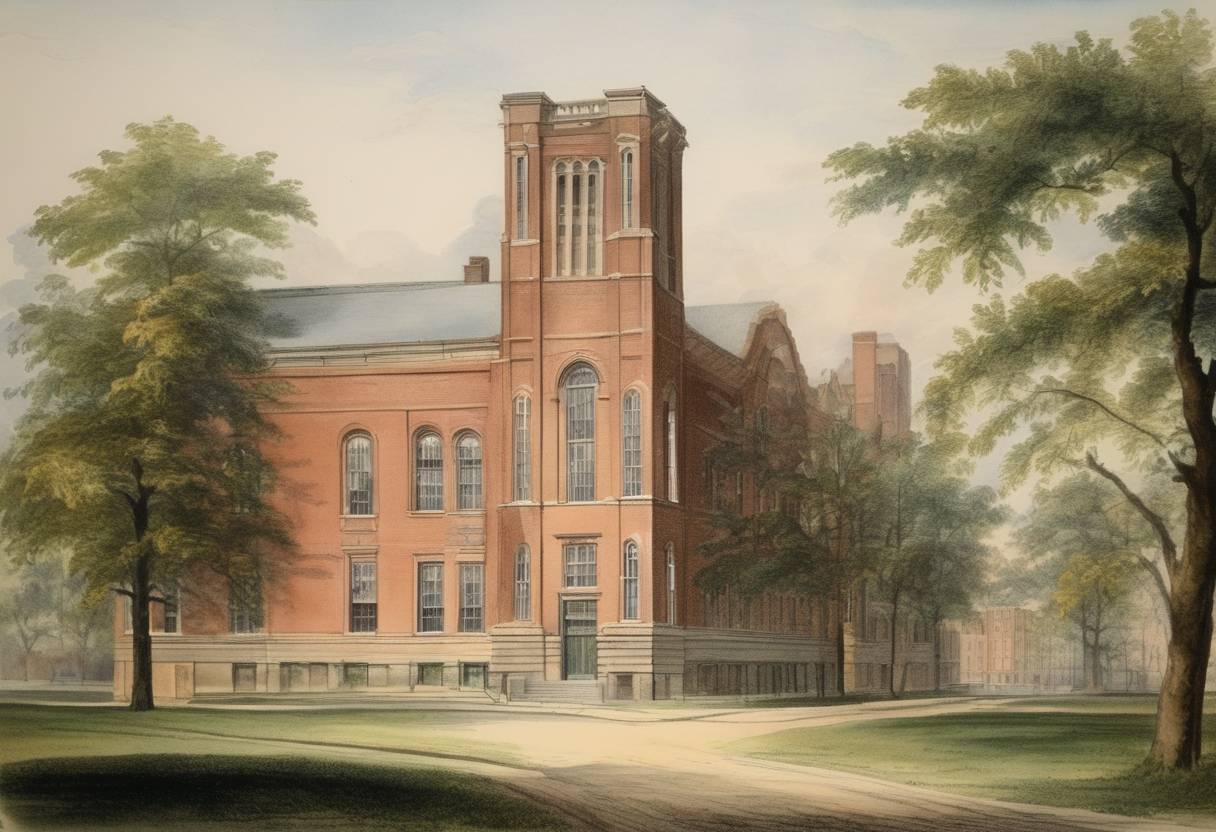
The Founding of the University of Michigan on October 18, 1826
The University of Michigan, initially named the Catholepistemiad, or University of Michigania, stands as a significant landmark in the history of American higher education. It marks a pivotal development as the first public university established outside the original thirteen colonies. Here is a detailed account of its founding and significance:
Context and Establishment
Background
- Territorial Growth: The early 19th century was a period of expansion and development in the United States, particularly as territories west of the Appalachian Mountains were being settled and organized.
- Educational Needs: As communities grew in these new areas, there was a rising demand for educational institutions that could serve the needs of new settlers and contribute to the region’s development.
Founding
- Date and Place: The University of Michigan was founded on October 18, 1826, in Detroit, which was then part of the Michigan Territory.
- Original Name: The institution was originally called the Catholepistemiad, or University of Michigania, highlighting its comprehensive educational ambitions.
- An Act of the Territory: Its establishment was authorized by an act of the Michigan Territorial Legislature, which sought to create a system of education that would nurture knowledge in various fields.
Structure and Objectives
Educational System
- Unique Structure: The Catholepistemiad was designed to encompass elementary through collegiate education, differing from traditional university structures at the time.
- Wide Curriculum: Its curriculum was intended to cover a broad spectrum of disciplines, aiming to provide a comprehensive education system.
Significance and Aftermath
Pioneering Role
- Legacy as a Pioneer: The founding of this university set a precedent for the establishment of public higher education institutions in the western territories.
- Influence: It showcased the commitment to educational development in newly settled areas, influencing subsequent educational reforms and institutions.
Evolution
- Relocation and Growth: The university eventually moved to Ann Arbor in 1837 and has since grown into a leading institution renowned for its research and educational excellence.
- Name Change: The name was officially changed to the University of Michigan, aligning with its evolving identity and status.
Broader Historical Importance
- Impact on Public Education: As one of the earliest public universities, it played a critical role in shaping the landscape of higher education in the United States, particularly regarding the accessibility of education beyond the original states.
- Cultural and Academic Contributions: Over the years, the University of Michigan has become a center for cultural and academic innovation, contributing significantly to various fields of study and societal advancements.