Founding of Oberlin College on December 3, 1833
1833 · Oberlin, United States
Oberlin College was founded by John Shipherd and Philo Stewart in northern Ohio.
September 6, 1837
Oberlin Collegiate Institute, now known as Oberlin College, became the first higher education institution in the United States to adopt a policy to admit African American students, marking a significant moment in the history of education and civil rights.
Oberlin, United States | Oberlin Collegiate Institute
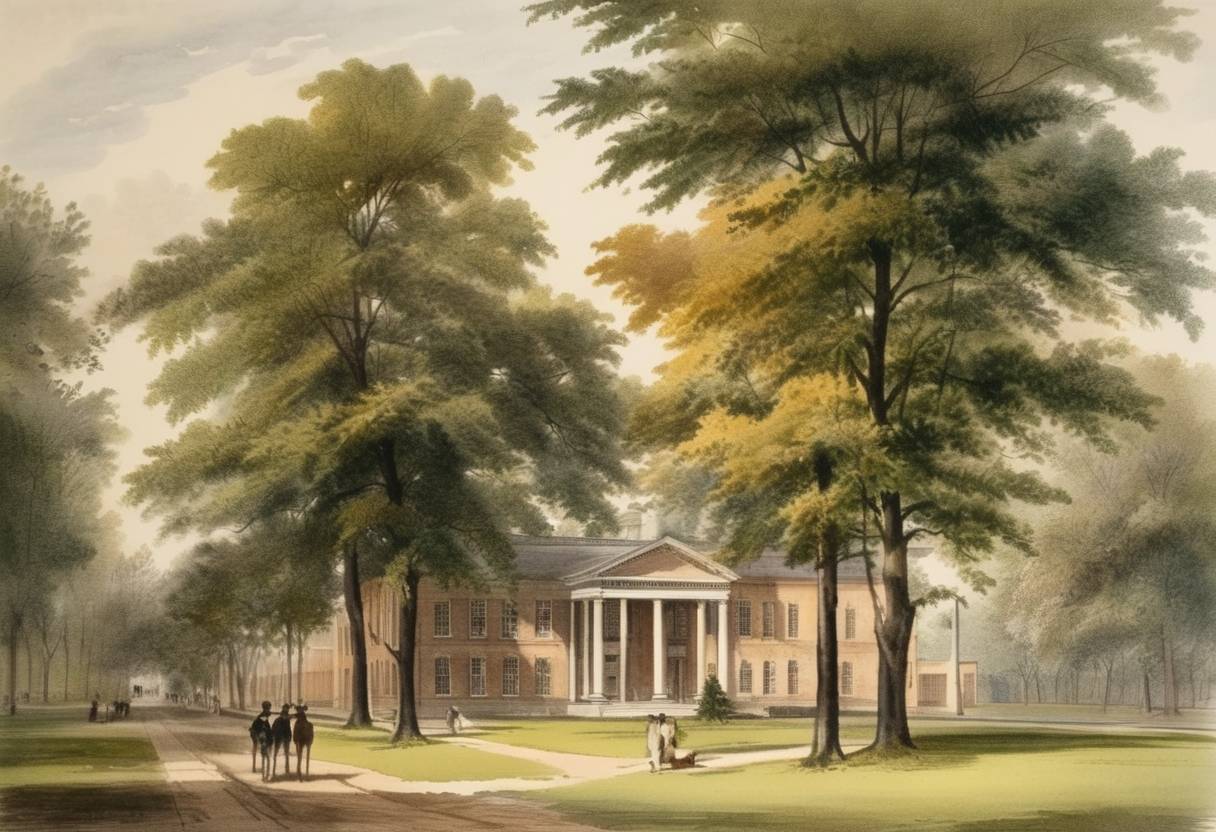
On September 6, 1837, the Oberlin Collegiate Institute, now known as Oberlin College, took a pioneering step in the United States by adopting a policy to admit African American students. This decision marked a significant moment in both the history of American education and the broader civil rights movement.
Founded in 1833 in Oberlin, Ohio, the institute was established by Presbyterian ministers John J. Shipherd and Philo P. Stewart. They envisioned an academic environment rooted in strong spiritual and moral values, influenced by the “Oberlin Covenant,” which emphasized “plain living and high thinking.”
The move towards inclusivity can be attributed to the influence of social reformers and abolitionists associated with the institute. Oberlin had already demonstrated its progressive stance by admitting female students in 1834, further underscoring its commitment to educational equality.
On September 6, 1837, the trustees of the Oberlin Collegiate Institute officially voted to allow the admission of African American students to the college. This groundbreaking policy was driven by the institution’s central belief in equality and the abolitionist sentiment prevalent among its founders and supporters. Reverend Charles Grandison Finney, a leading figure in the Second Great Awakening and a professor at Oberlin, was instrumental in advocating for this policy change.
Oberlin’s decision set a precedent in higher education and aligned with the burgeoning abolitionist movement in America. It sparked discussions on the role of educational institutions in promoting social justice and provided an academic refuge for African American students who were largely barred from other colleges at the time.
The institution’s policy not only facilitated the education of African American leaders but also fostered an environment where diverse voices could contribute to the nationwide abolitionist cause. Prominent African American graduates from Oberlin would go on to play essential roles in the push for equality and civil rights in America.
The decision by Oberlin Collegiate Institute to admit African American students on September 6, 1837, symbolizes a momentous advance in the American educational landscape and the ongoing struggle for civil rights. It underscored the power of education as a catalyst for social change and reinforced Oberlin’s legacy as a pioneer in integration and equality in education.
Source: www.oberlin.edu