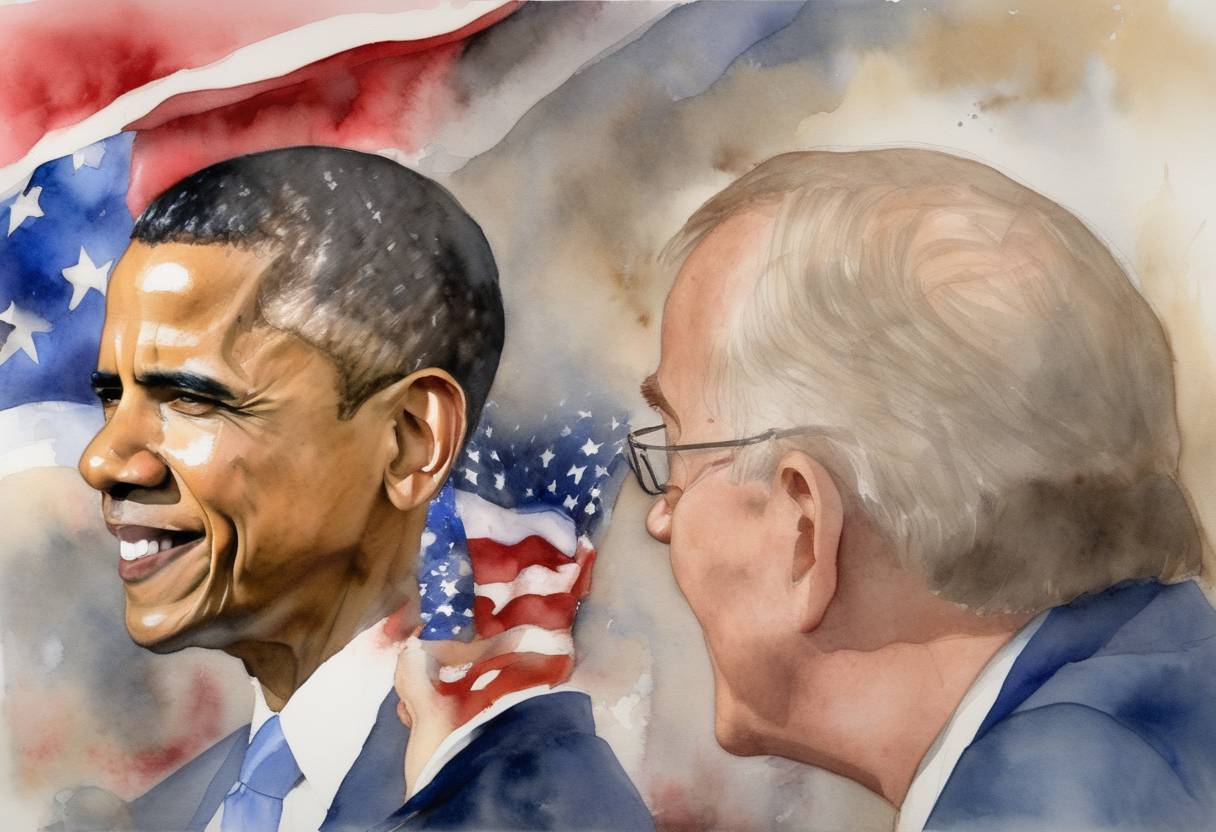
Barack Obama Becomes Democratic Party’s Presumptive Nominee - June 3, 2008
On June 3, 2008, Barack Obama emerged as the presumptive nominee of the Democratic Party for the U.S. presidency. This pivotal moment marked Obama’s historic achievement as the first African American to be the presumptive major party nominee in a U.S. presidential election.
Context and Lead-Up to the Nomination
The race for the Democratic nomination began in 2007, with several candidates vying for the position. Among them were high-profile politicians such as Hillary Clinton, then a New York senator and former First Lady, and Barack Obama, then a senator from Illinois. Early in the primaries, the contest appeared notably competitive between Obama and Clinton.
The Democratic primary elections were characterized by an intense rivalry and tightly contested battles in many states. Obama’s campaign was notably fueled by a message of change and hope, drawing significant support from diverse voter groups, including young voters and African Americans. Clinton’s campaign emphasized experience and a strong commitment to policy details.
Over the course of more than a year, Obama built a significant delegate lead through a combination of primary and caucus victories, as well as securing substantial support from superdelegates—party leaders and elected officials entitled to vote at the Democratic National Convention.
June 3, 2008: Securing the Nomination
After a series of decisive wins in larger states and maintaining a slight lead in both pledged delegates and the popular vote, Obama reached the necessary threshold to claim the nomination on June 3, 2008. Winning the Montana primary secured his position, and the primaries in South Dakota, though won by Clinton, were not enough to close the gap.
On this day, as it became clear through delegate counts and superdelegate endorsements, Obama addressed supporters in St. Paul, Minnesota, at the Xcel Energy Center, the same venue planned for the Republican National Convention later that year. During his address, Obama acknowledged the hard-fought race, paid respect to Hillary Clinton’s significant contributions, and began shifting focus toward the general election campaign against the Republican nominee, Senator John McCain.
Broader Historical Significance
Barack Obama’s nomination was a milestone in U.S. political history, symbolizing progress toward racial equality and reflecting changing dynamics within American society. His campaign, characterized by widespread grassroots support and significant use of digital fundraising and communication techniques, became a model for future political campaigns.
Ultimately, Obama’s journey from presumptive nominee led to his election as the 44th President of the United States, where he served two terms from January 2009 to January 2017. His presidency brought significant legislative achievements, such as the Affordable Care Act, alongside challenges, including navigating economic recovery and foreign policy crises.
This day underscored a new era in American politics, setting the stage for the transformative election in November 2008.