German Federal Election of September 22, 2013
2013 · Berlin, Germany
Angela Merkel's Christian Democratic Union (CDU) won the German federal election, securing her a third term as Chancellor of Germany.
May 29, 2011
German Chancellor Angela Merkel's ruling coalition agreed to phase out all nuclear power plants by the year 2022.
Berlin, Germany | German Federal Government
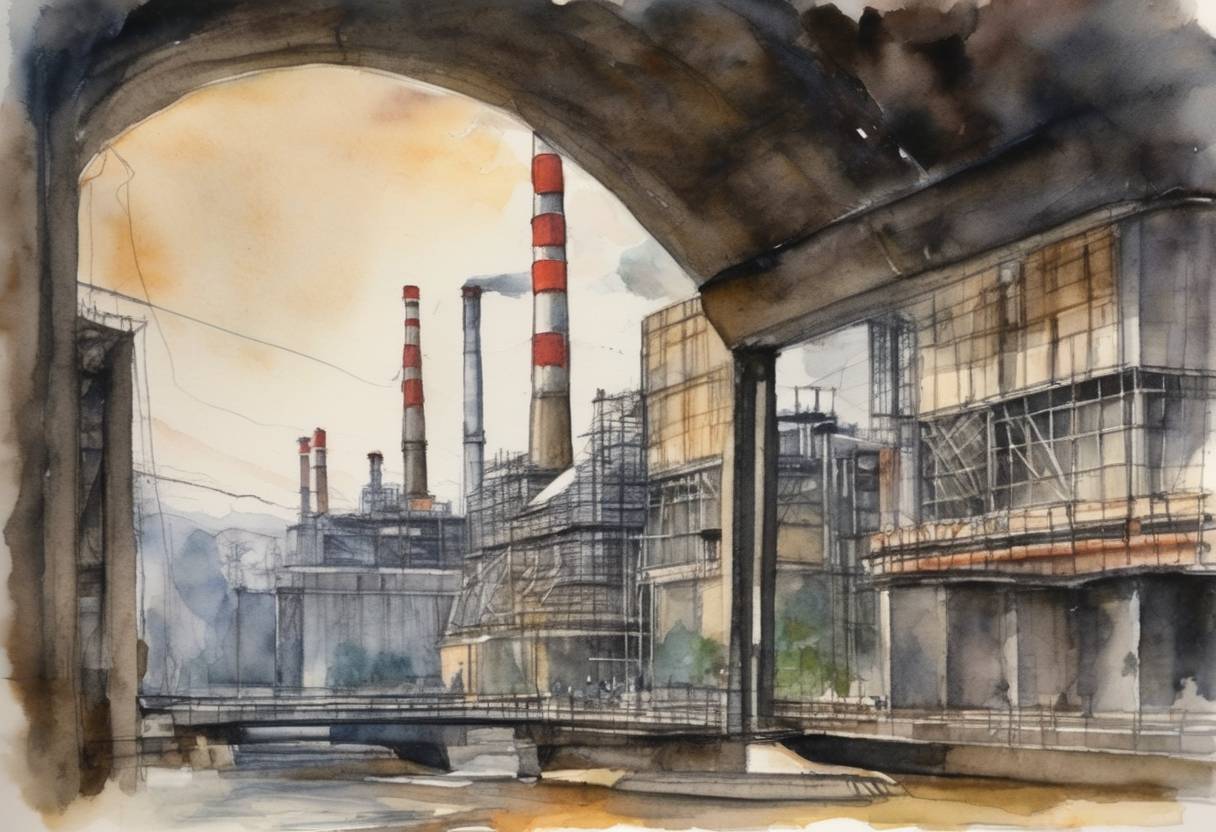
On May 29, 2011, Germany’s ruling coalition, led by Chancellor Angela Merkel, reached a significant and historic decision to phase out all nuclear power plants by the year 2022. This decision was largely a reaction to the catastrophic nuclear disaster in Fukushima, Japan, which occurred in March 2011 and intensified global scrutiny on nuclear safety.
Before this decision, Germany had been heavily reliant on nuclear energy, which accounted for about a quarter of its electricity supply. However, nuclear energy had long been a contentious issue in the country, with widespread public opposition dating back to the 1970s, fueled by concerns over nuclear safety and radioactive waste management.
In 2000, a previous coalition government had already initiated a long-term plan to phase out nuclear power. However, Merkel’s government, which took office in 2005, extended the lifespan of nuclear reactors in 2010, albeit controversially. The Fukushima disaster reignited public opposition and political pressure, prompting a reevaluation.
Closure Timeline: The ruling coalition decided to shut down all 17 of Germany’s nuclear power plants by 2022. Seven of the oldest nuclear plants that were temporarily taken offline following Fukushima were to remain closed permanently.
Energy Strategy: As part of the transition strategy, the government committed to increasing reliance on renewable energy sources, improving energy efficiency, and expanding the country’s power grid to accommodate new technologies.
Economic and Environmental Goals: The policy aimed to balance Germany’s energy supply needs with environmental goals, underscoring commitment to reducing greenhouse gas emissions and battling climate change without nuclear energy.
Germany’s decision was met with both praise and criticism. Advocates highlighted it as a bold step towards sustainable energy and a model for other nations seeking to transition away from nuclear power. Critics, however, argued about potential energy shortfalls and increased dependency on fossil fuels in the short term.
This historic decision marked a decisive turning point in Germany’s energy policy, reaffirming its leadership in renewable energy development. It underscored not only the implications of nuclear skepticism in policy-making but also the powerful impact of public opinion and environmental factors on shaping government actions.
Germany’s energy transition, known as the “Energiewende,” became a pivotal case study in global discussions about energy policy, reinforcing debates around the feasibility and implications of abandoning nuclear power in favor of sustainable alternatives.
Source: www.dw.com