Angela Merkel Sworn in as Germany's First Female Chancellor
2005 · Berlin, Germany
Angela Merkel was sworn in as Germany's first female Chancellor, marking a significant moment in German and European politics.
January 27, 1996
Germany first observed International Holocaust Remembrance Day on the anniversary of the liberation of Auschwitz-Birkenau.
Berlin, Germany | German Government
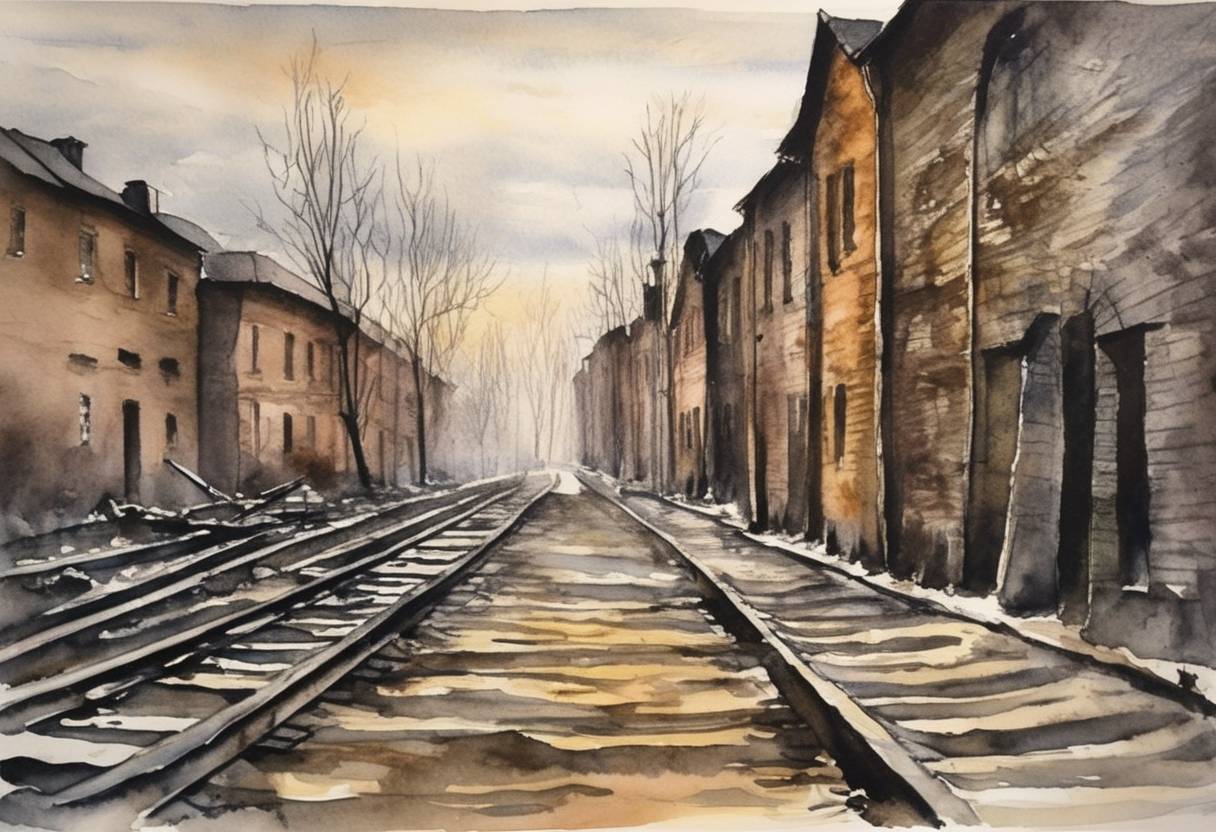
On January 27, 1996, Germany officially commemorated International Holocaust Remembrance Day for the first time. The date marks the anniversary of the liberation of Auschwitz-Birkenau, the largest Nazi concentration and extermination camp, by Soviet troops in 1945. This observance was part of a broader international recognition to honor the victims of the Holocaust and to promote Holocaust education worldwide.
Auschwitz-Birkenau: Located in occupied Poland, this complex of camps became a symbol of the Holocaust’s atrocities. Over 1.1 million people, mostly Jews, were murdered there between 1940 and 1945. By Liberation Day on January 27, 1945, about 7,000 remaining prisoners were freed by the Red Army.
International Acknowledgment: The United Nations has since adopted this date, January 27, as the International Holocaust Remembrance Day to foster memory and education concerning this dark chapter in history, emphasizing the importance of preventing future genocides.
Acknowledgment of the Past: Germany’s recognition of this day in 1996 was a significant step in acknowledging its role in the Holocaust and continuing efforts towards reconciliation and education. The observance reflects Germany’s commitment to remembering the Holocaust and ensuring that its historical lessons are not forgotten.
Educational Efforts: The day promotes Holocaust education and awareness within Germany, aiming to remind citizens and the international community of the dangers of hatred, discrimination, and tyranny.
Ceremonies and Events: Across Germany, various events and ceremonies are held to commemorate the victims, including speeches by public figures, readings of victims’ names, and exhibitions related to Holocaust history.
Cultural and Educational Initiatives: Schools and universities often hold lectures, film screenings, and discussions to educate younger generations about the Holocaust’s history and its impact on contemporary society.
Global Commemoration: The establishment of International Holocaust Remembrance Day has inspired nations worldwide to take part in remembering the Holocaust, promoting introspection on past atrocities, and encouraging global commitments to eradicating anti-Semitism and prejudice.
Legacy of Liberation: Commemorating the liberation of Auschwitz-Birkenau serves not only as a solemn reminder of the past but also as a testament to the resilience of survivors and the enduring need for vigilance against the ideologies that led to such tragedies.
Germany’s first official observance of International Holocaust Remembrance Day in 1996 marked an important moment in its post-war history, demonstrating dedication to confronting its past and underscoring the importance of remembrance and education for future generations.
Source: encyclopedia.ushmm.org