Confirmation of Christopher A. Wray as FBI Director
2017 · Washington, D.C., United States
The United States Senate confirmed Christopher A. Wray as the new Director of the Federal Bureau of Investigation (FBI).
January 18, 1990
In Washington, D.C., Mayor Marion Barry was arrested for drug possession in an FBI sting operation.
Washington, D.C., United States | Federal Bureau of Investigation
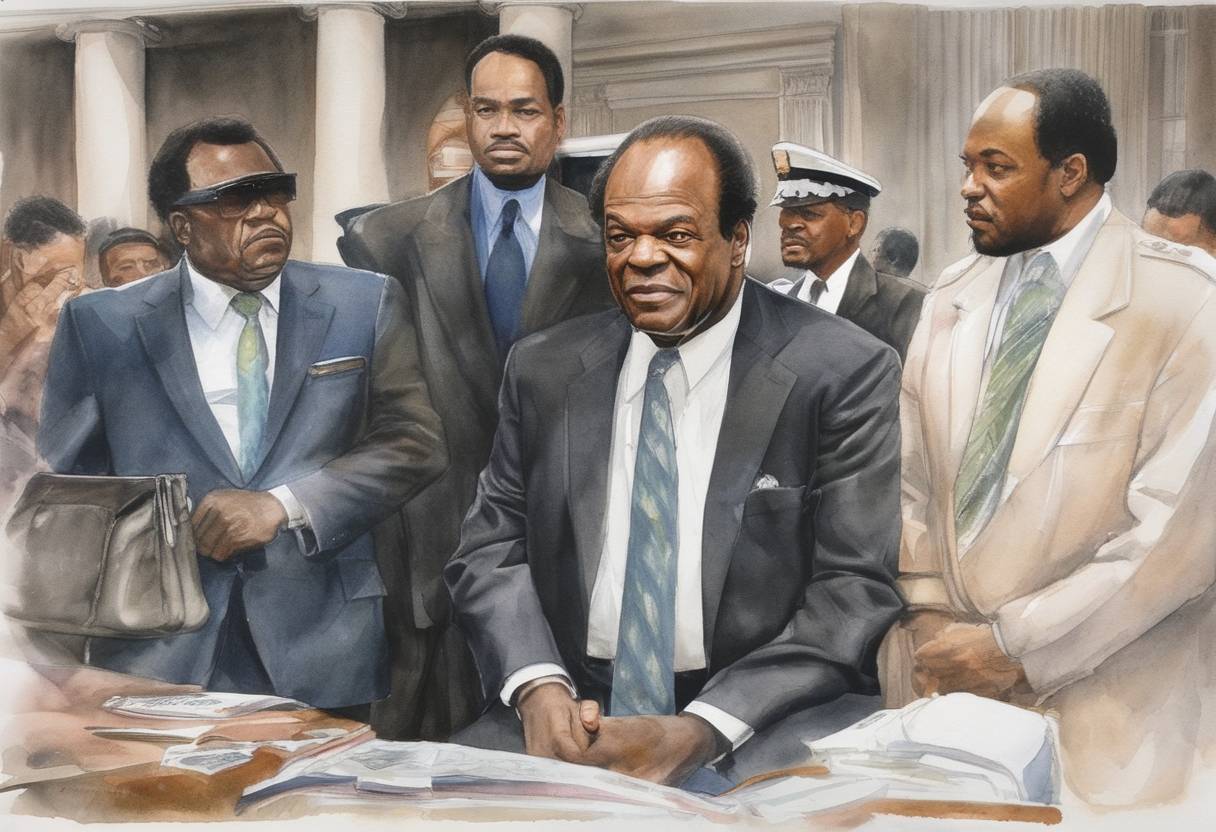
On January 18, 1990, Marion Barry, then the Mayor of Washington, D.C., was arrested in a high-profile FBI sting operation. This event marked a significant moment in the political history of Washington, D.C., and had substantial repercussions for Barry and the city.
Marion Barry had served as the mayor of Washington, D.C., since 1979, having been re-elected twice and becoming a prominent figure in the Democratic Party. His tenure as mayor was noted for its developmental projects and civil rights advocacy. However, Barry’s administration was increasingly plagued by scandals and allegations of corruption and substance abuse.
The Federal Bureau of Investigation (FBI) had been investigating Barry for several years amid persistent rumors and allegations of drug use. On the night of January 18, 1990, Barry was lured to the Vista International Hotel in Washington, D.C., by an ex-girlfriend, Hazel Diane “Rasheeda” Moore, who had cooperated with the authorities. During the operation, Barry was videotaped smoking crack cocaine in a hotel room, which led to his immediate arrest by the FBI and the Drug Enforcement Administration (DEA).
Barry’s arrest was national news, capturing the headlines not only because of his status as mayor but also due to the shocking nature of a serving public official being involved in a drug-related offense. Following his arrest, Barry faced a trial in 1990, where the jury found him guilty of one count of possession, though it deadlocked on multiple other charges. Consequently, Barry was sentenced to six months in federal prison.
The arrest and subsequent conviction of Marion Barry had lasting effects on his political career and the city of Washington, D.C. Despite the conviction, Barry’s political influence endured. Upon his release, he remarkably returned to politics, serving as a city council member and eventually being re-elected as mayor in 1994. Barry’s resilience highlighted complex issues of race, politics, and redemption in American public life.
Barry’s arrest underscores the broader narrative of accountability and the impact of public scandals on governance and political careers. It remains a case study in American political scandal and redemption.
Source: www.nytimes.com