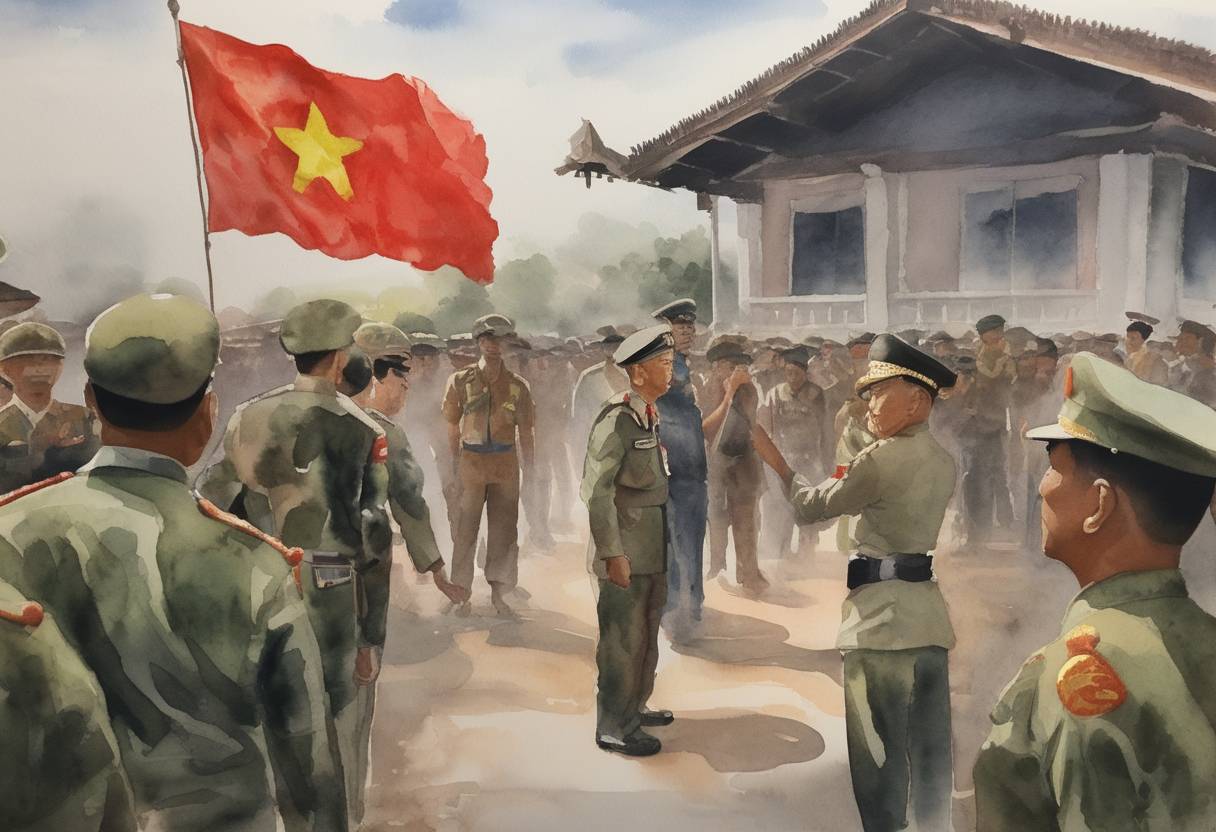
Myanmar Military Coup - February 1, 2021
On February 1, 2021, Myanmar’s military, known as the Tatmadaw, orchestrated a coup d’état, which marked a significant turn in the country’s political landscape. This dramatic event unfolded in the early hours of the morning.
Key Events Leading Up to the Coup
In the general elections held in November 2020, the National League for Democracy (NLD), led by Aung San Suu Kyi, secured a dominant victory, winning over 80% of the available seats. However, the military disputed the election results, claiming widespread voter fraud, although no substantial evidence was presented.
Details of the Coup
Detainment of Leaders: On the day of the coup, the military detained several key figures, including Aung San Suu Kyi, the State Counsellor and de facto leader of Myanmar, and President Win Myint. Other senior NLD officials were also taken into custody.
Declaration of Emergency: The military declared a state of emergency, which was announced for a duration of one year. This move effectively handed over the reins of power to the Commander-in-Chief of Defence Services, Min Aung Hlaing.
Installation of Military Rule
Min Aung Hlaing became the leader of the newly installed government. The military established the State Administration Council to oversee governance and declared that the power transfer was necessary to address the alleged irregularities in the electoral process, though these claims were largely dismissed internationally.
Aftermath and Global Reaction
The coup drew widespread condemnation from international organizations and governments worldwide, calling for the restoration of democracy and the release of detained leaders. It sparked a massive civil disobedience movement within Myanmar, with widespread protests and strikes, as citizens demanded the return of civilian rule.
Broader Historical Significance
The 2021 coup in Myanmar shattered a decade-long experiment with civilian rule that began in 2011 when the junta had allowed a transition to a quasi-democratic setup. This political upheaval underscored the enduring conflict between military power and civilian governance in Myanmar’s tumultuous history. The response and resilience of the Burmese people highlighted the deep-rooted demand for democratic governance despite the military’s entrenched influence.
The ongoing crisis created significant challenges not only for Myanmar but also for ASEAN and the international community, leading to calls for diplomatic intervention and support for democratic processes.