End of the Model T Production - May 26, 1927
1927 · Dearborn, United States
The Ford Motor Company ceases its production of the Model T, marking the end of the first mass-production automobile era.
December 2, 1927
The Ford Model A was launched, marking a significant advancement in automobile design and manufacturing after the success of the Model T.
Dearborn, United States | Ford Motor Company
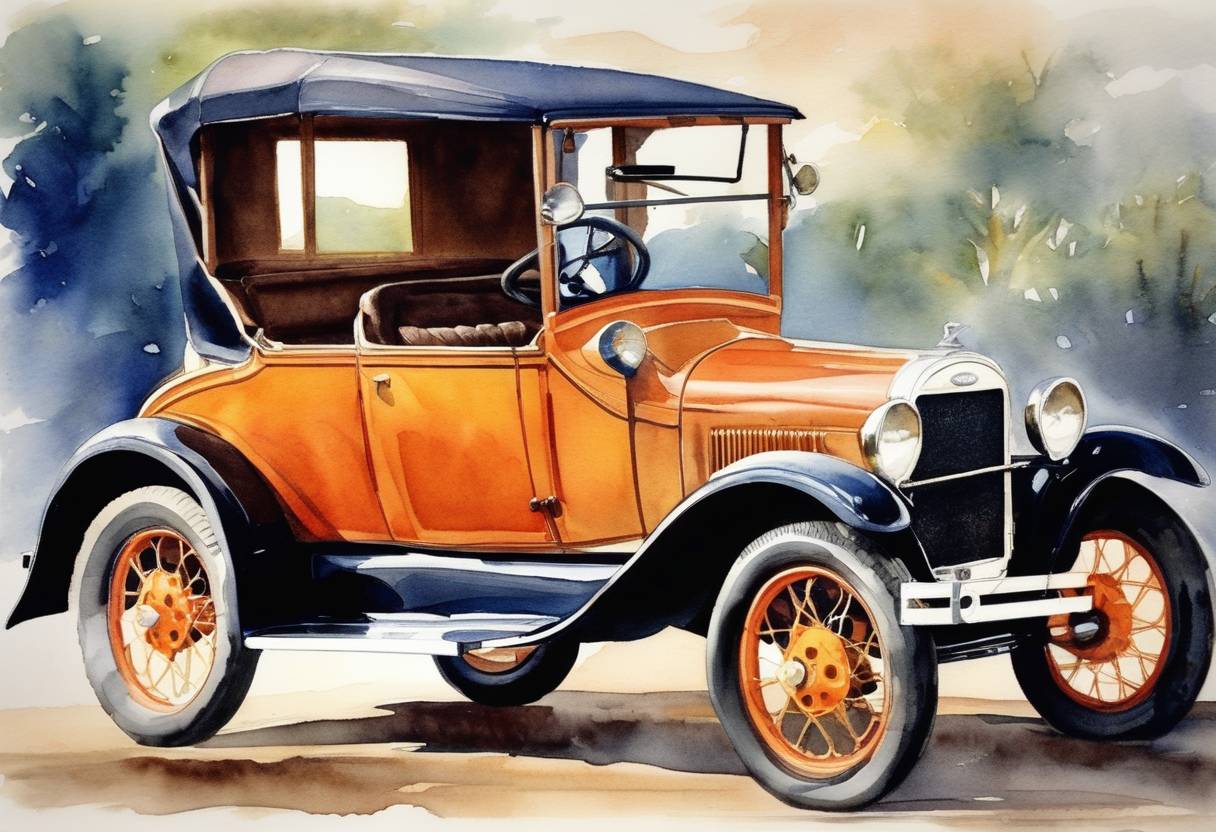
On December 2, 1927, the Ford Motor Company made a significant leap in the automotive industry by launching the Ford Model A. This event marked a pivotal transition for Ford, following the unrivaled success of the Model T. The introduction of the Model A underscored significant advancements in both automobile design and manufacturing capabilities.
By the mid-1920s, the Model T—often credited with putting America on wheels—had been in production for nearly two decades. Since its release in 1908, Ford had manufactured over 15 million Model Ts. However, technological advancements and changing consumer preferences necessitated a fresh offering. Competitors like General Motors were offering cars with more features, colors, and comforts, compelling Ford to innovate to remain competitive.
The Model A introduced several improvements and features that distinguished it from its predecessor:
The Model A was unveiled to the public amid great anticipation and fanfare. Ford utilized an extensive marketing campaign to generate excitement, showcasing the car’s new features and modern design. This marked a new era for Ford, shifting from the singularity of purpose that characterized the Model T to a diverse offering that catered to a more style-conscious consumer base.
Within weeks of its release, Ford received orders that emphasized the vehicle’s immense popularity. Over its production run from 1927 to 1931, approximately five million Model As were sold.
The launch of the Ford Model A is often seen as a critical movement that revitalized the company’s fortunes during a time of rapid advancement within the automobile industry. It set new standards for quality and innovation, asserting Ford’s commitment to customer satisfaction and adaptability in a competitive market.
The impact extended beyond mere sales numbers; it helped redefine what consumers could expect from an affordable automobile, combining performance with style and reliability. This adaptability by Ford played a crucial role in its continued success in the ever-evolving automotive landscape of the 20th century.
Source: en.wikipedia.org