Whole Woman's Health v. Hellerstedt: A Landmark Decision
2016 · Washington D.C., United States
The United States Supreme Court strikes down a Texas law imposing strict regulations on abortion clinics in Whole Woman's Health v. Hellerstedt.
March 5, 2002
The United States Supreme Court ruled in the case of Ashcroft v. Free Speech Coalition, striking down portions of the Child Pornography Prevention Act of 1996 as unconstitutional.
Washington D.C., United States | United States Supreme Court
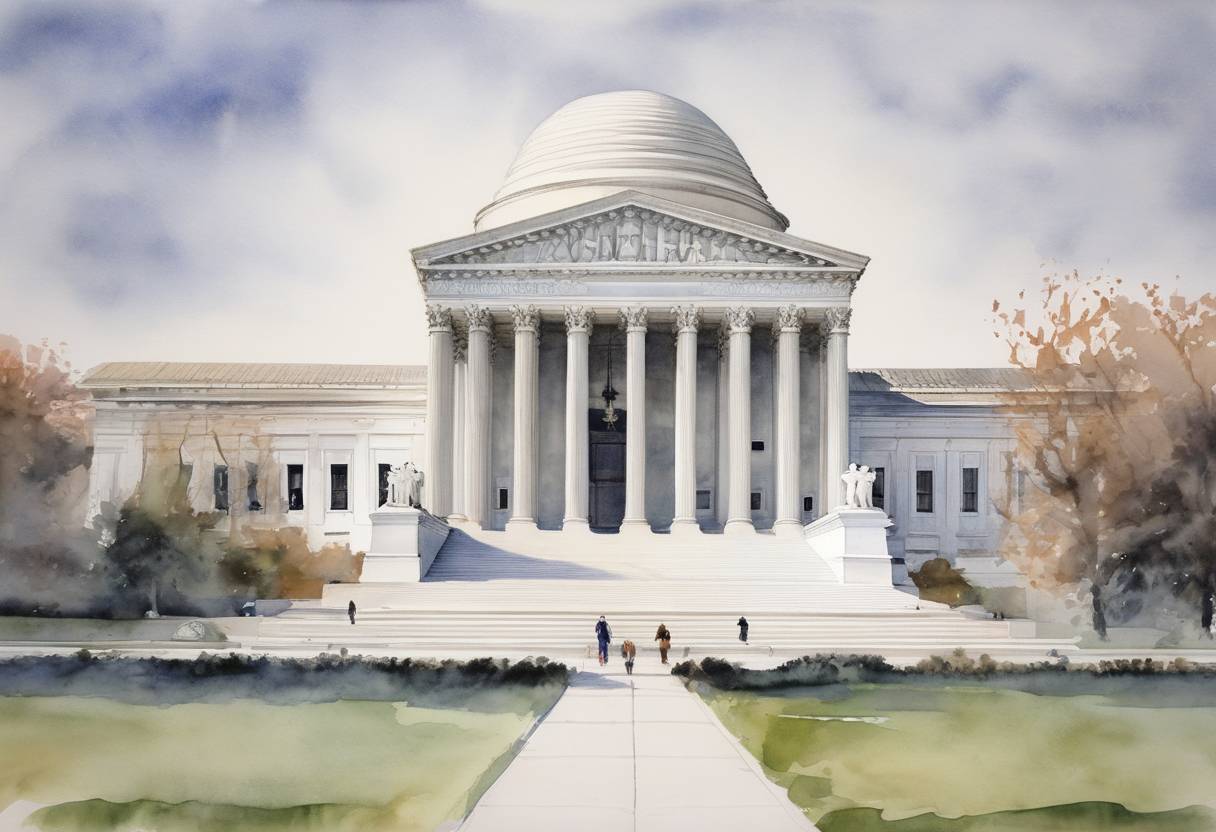
On March 5, 2002, the United States Supreme Court delivered a landmark decision in the case of Ashcroft v. Free Speech Coalition, striking down portions of the Child Pornography Prevention Act (CPPA) of 1996 as unconstitutional. This ruling had significant implications for First Amendment rights and the regulation of virtual child pornography.
The Child Pornography Prevention Act of 1996 was enacted to expand the definition of child pornography to include not only images of actual minors but also “virtual” images that appear to depict minors engaged in sexually explicit conduct. The law aimed to address concerns about the potential harm such materials could cause, even if no real children were involved in their production.
The Free Speech Coalition, an adult entertainment trade association, challenged the CPPA, arguing that the law was overly broad and infringed upon free speech rights protected by the First Amendment. They contended that the CPPA’s provisions could criminalize legitimate artistic, educational, or literary works that depicted youthful-looking adults or computer-generated images.
The Supreme Court, in a 6-3 decision, ruled that the CPPA’s provisions were indeed unconstitutional. Justice Anthony Kennedy delivered the majority opinion, which emphasized the following points:
Overbreadth and Vagueness: The Court found that the CPPA was overly broad and vague, potentially criminalizing a wide range of speech that was neither obscene nor involved the exploitation of real children.
First Amendment Protections: The ruling underscored the importance of protecting free speech, even when it involves controversial or offensive material, as long as it does not involve actual harm to children.
Distinction from Previous Rulings: The decision distinguished this case from previous rulings, such as New York v. Ferber (1982), which upheld laws against child pornography involving real children. The Court noted that the absence of real children in virtual depictions meant there was no direct harm to minors.
The ruling in Ashcroft v. Free Speech Coalition had several important consequences:
Overall, the Supreme Court’s decision in this case highlighted the complexities of regulating virtual content and affirmed the robust protections afforded to free speech under the First Amendment.
Source: www.oyez.org