King Louis XVI's Trial for Treason
1792 · Paris, France
King Louis XVI of France is put on trial for treason by the National Convention during the French Revolution.
August 13, 1792
King Louis XVI of France is formally arrested by the National Assembly, marking a significant step towards the abolition of the monarchy during the French Revolution.
Paris, France | National Assembly
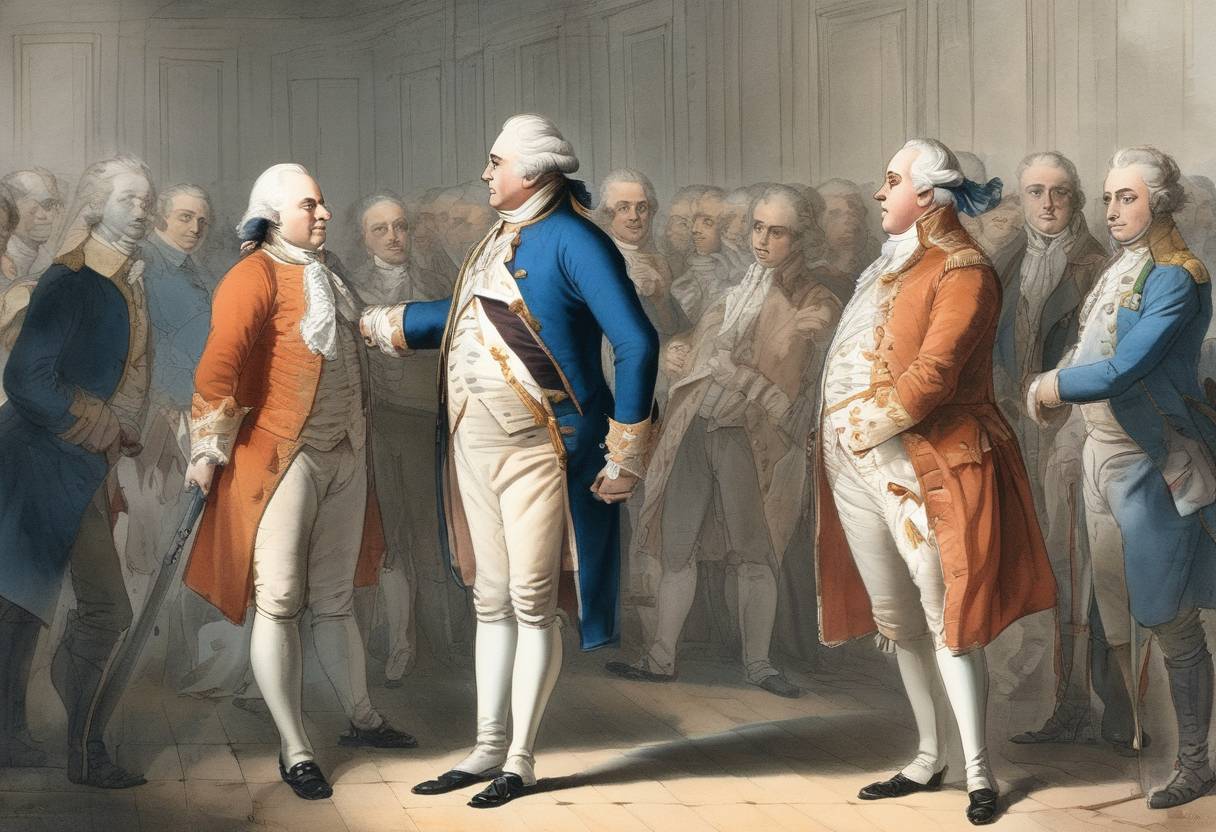
On August 13, 1792, King Louis XVI of France was formally arrested by the National Assembly, a pivotal moment in the French Revolution that marked a decisive step towards the abolition of the monarchy. This event was the culmination of escalating tensions between the monarchy and revolutionary forces, which had been brewing since the Revolution began in 1789.
The French Revolution: The Revolution began in 1789, driven by widespread discontent with the absolute monarchy, economic hardship, and the influence of Enlightenment ideas advocating for liberty and equality.
Constitutional Monarchy: Initially, the revolutionaries aimed to establish a constitutional monarchy. The National Assembly, formed in 1789, sought to limit the king’s powers through the Constitution of 1791, which Louis XVI reluctantly accepted.
Flight to Varennes: In June 1791, Louis XVI and his family attempted to flee Paris in the “Flight to Varennes,” hoping to rally royalist support. Their capture and return to Paris severely damaged the king’s reputation and trustworthiness.
War and Internal Strife: By 1792, France was at war with Austria and Prussia, countries that supported the monarchy. The war exacerbated internal divisions and economic difficulties, fueling revolutionary fervor.
Storming of the Tuileries: On August 10, 1792, a revolutionary insurrection led to the storming of the Tuileries Palace, where the royal family resided. The Swiss Guards defending the palace were overwhelmed, and many were killed.
Suspension of the Monarchy: In the aftermath, the Legislative Assembly suspended the monarchy, effectively stripping Louis XVI of his powers. The royal family was placed under the protection of the National Assembly.
Transfer to the Temple: On August 13, 1792, Louis XVI and his family were transferred to the Temple, a medieval fortress in Paris, marking his formal arrest. This move symbolized the end of the monarchy’s authority.
Abolition of the Monarchy: The arrest paved the way for the formal abolition of the monarchy on September 21, 1792, when the National Convention declared France a republic.
Trial and Execution: Louis XVI was tried by the National Convention and found guilty of conspiracy and high treason. He was executed by guillotine on January 21, 1793.
Impact on France and Beyond: The arrest and subsequent execution of Louis XVI marked a radical shift in French society, leading to the Reign of Terror and influencing revolutionary movements across Europe.
The arrest of Louis XVI was a critical juncture in the French Revolution, symbolizing the collapse of the ancien régime and the rise of republican ideals that would reshape France and inspire future generations.
Source: www.britannica.com