Famine Declaration in South Sudan - February 20, 2017
2017 · Juba, South Sudan
The United Nations declared the famine in parts of South Sudan, affecting over 100,000 people and putting millions more at risk of starvation.
August 2, 2016
The United Nations announced that the number of refugees fleeing South Sudan had reached over 60,000, following renewed violence in the country.
Juba, South Sudan | United Nations
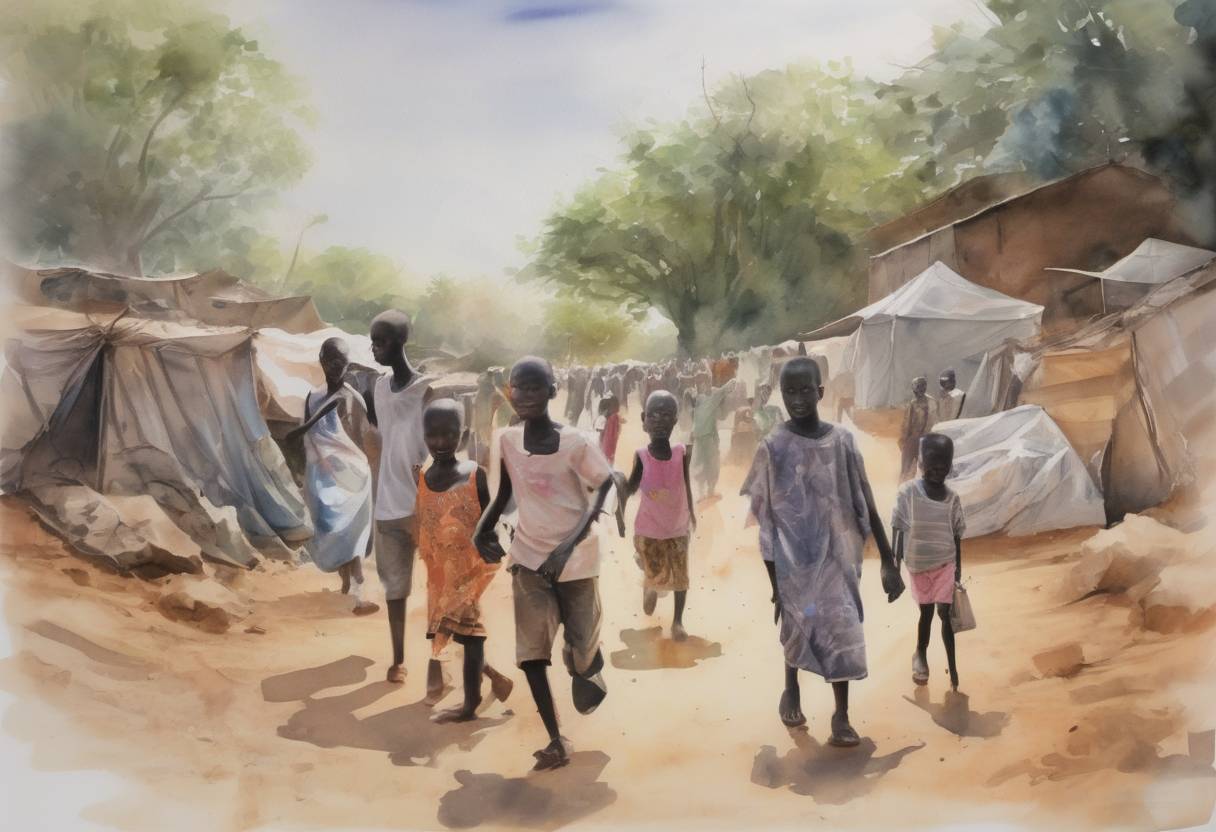
On August 2, 2016, the United Nations announced a significant escalation in the refugee crisis stemming from South Sudan, with the number of people fleeing the country surpassing 60,000. This development was a direct consequence of renewed violence that erupted in the nation, exacerbating an already dire humanitarian situation.
South Sudan, the world’s youngest nation, gained independence from Sudan in July 2011 after decades of civil war. However, the promise of peace was short-lived. In December 2013, political tensions between President Salva Kiir and his former deputy, Riek Machar, erupted into a full-scale civil war. The conflict was marked by ethnic violence, primarily between the Dinka and Nuer communities, leading to widespread atrocities and displacement.
A peace agreement was brokered in August 2015, but its implementation was fraught with challenges. Despite efforts to form a transitional government, tensions remained high.
In July 2016, just as the country was preparing to celebrate its fifth anniversary of independence, fighting broke out once again in the capital, Juba. The violence quickly spread, undermining the fragile peace agreement. The renewed conflict resulted in significant civilian casualties and displacement.
The resurgence of violence in 2016 led to a dramatic increase in the number of refugees fleeing South Sudan. By August 2, the UN reported that over 60,000 people had sought refuge in neighboring countries, primarily Uganda, Sudan, Ethiopia, and Kenya. The refugee crisis placed immense pressure on these host nations, which were already grappling with their own economic and social challenges.
The UN and various humanitarian organizations faced significant obstacles in providing aid, as the security situation in South Sudan hindered access to those in need. The crisis highlighted the urgent need for international intervention and support to address the humanitarian needs and work towards a sustainable peace solution.
The refugee crisis in South Sudan underscored the broader challenges of post-independence nation-building in Africa, where ethnic divisions and political rivalries often lead to prolonged conflicts. The situation also drew attention to the limitations of international peacekeeping efforts and the complexities involved in resolving deeply rooted political and ethnic tensions.
The events of August 2, 2016, served as a stark reminder of the ongoing humanitarian crisis in South Sudan and the urgent need for a comprehensive and inclusive approach to peacebuilding in the region.
Source: www.unhcr.org