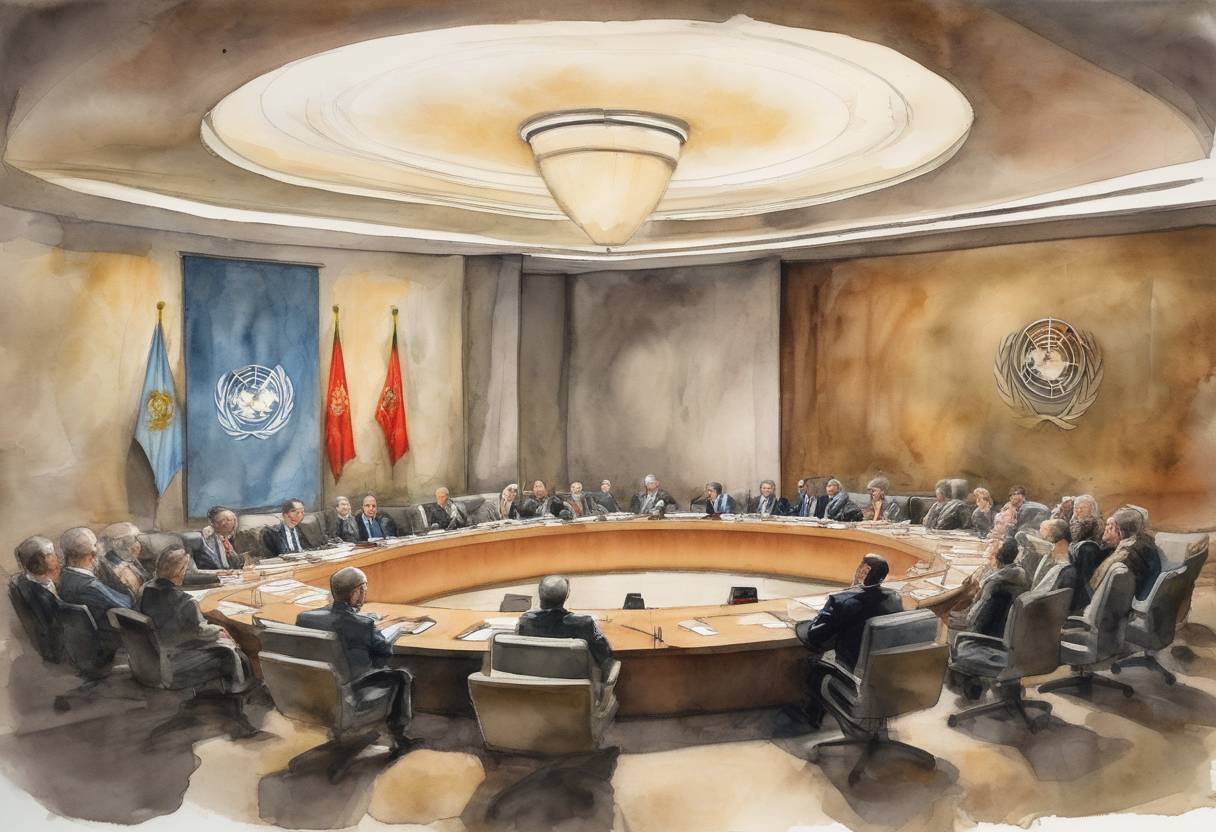
United Nations Security Council Meeting on Syria - July 29, 2013
On July 29, 2013, the United Nations Security Council (UNSC) convened a significant meeting to address the escalating conflict in Syria, which had been ongoing since 2011. This meeting was crucial in highlighting the severe humanitarian crisis and the pressing need for international intervention.
Context Leading Up to the Meeting
Syrian Civil War: The conflict in Syria began in March 2011, following the Arab Spring protests. It quickly escalated into a full-scale civil war involving multiple factions, including the Syrian government led by President Bashar al-Assad, various opposition groups, and extremist factions.
Humanitarian Crisis: By mid-2013, the war had resulted in a catastrophic humanitarian situation. Millions of Syrians were internally displaced, and millions more had fled to neighboring countries, creating a refugee crisis. Reports of widespread human rights abuses, including the use of chemical weapons, had drawn international condemnation.
International Response: The international community was deeply divided on how to respond. While some countries supported the Syrian opposition, others backed the Assad regime. This division was reflected in the UNSC, where permanent members held conflicting views, often leading to vetoes and inaction.
Key Points of the Meeting
Humanitarian Concerns: The UNSC meeting focused on the dire humanitarian conditions in Syria. Discussions emphasized the urgent need for humanitarian aid and the establishment of safe corridors for civilians.
Calls for Intervention: Several member states called for increased international intervention to protect civilians and ensure the delivery of humanitarian assistance. There was also a push for a political solution to the conflict.
Chemical Weapons: The use of chemical weapons in Syria was a significant concern. The UNSC discussed the need for accountability and measures to prevent further use of such weapons.
Aftermath and Consequences
Continued Division: Despite the urgency of the situation, the UNSC remained divided. Russia and China, both permanent members with veto power, were supportive of the Assad regime, complicating efforts to pass resolutions that would lead to direct intervention or sanctions.
Humanitarian Efforts: The meeting did contribute to increased awareness and efforts by various UN agencies and non-governmental organizations to provide humanitarian aid to affected populations.
Ongoing Conflict: The conflict in Syria continued for several more years, with intermittent international efforts to broker peace. The humanitarian crisis persisted, with significant impacts on regional stability and global refugee dynamics.
Broader Historical Significance
The UNSC meeting on July 29, 2013, underscored the complexities of international diplomacy in conflict resolution, particularly when permanent members are divided. It highlighted the challenges of addressing humanitarian crises in war-torn regions and the limitations of international organizations in enforcing peace and security without consensus among major powers. The Syrian conflict remains a poignant example of the difficulties in achieving international cooperation in the face of geopolitical interests.