The First Performance of Oscar Wilde's "The Importance of Being Earnest"
1895 · London, United Kingdom
Oscar Wilde's play 'The Importance of Being Earnest' was first performed at the St James's Theatre in London.
May 19, 1897
Oscar Wilde was released from Reading Gaol after serving two years of hard labor for 'gross indecency.'
Reading, England | British judicial system
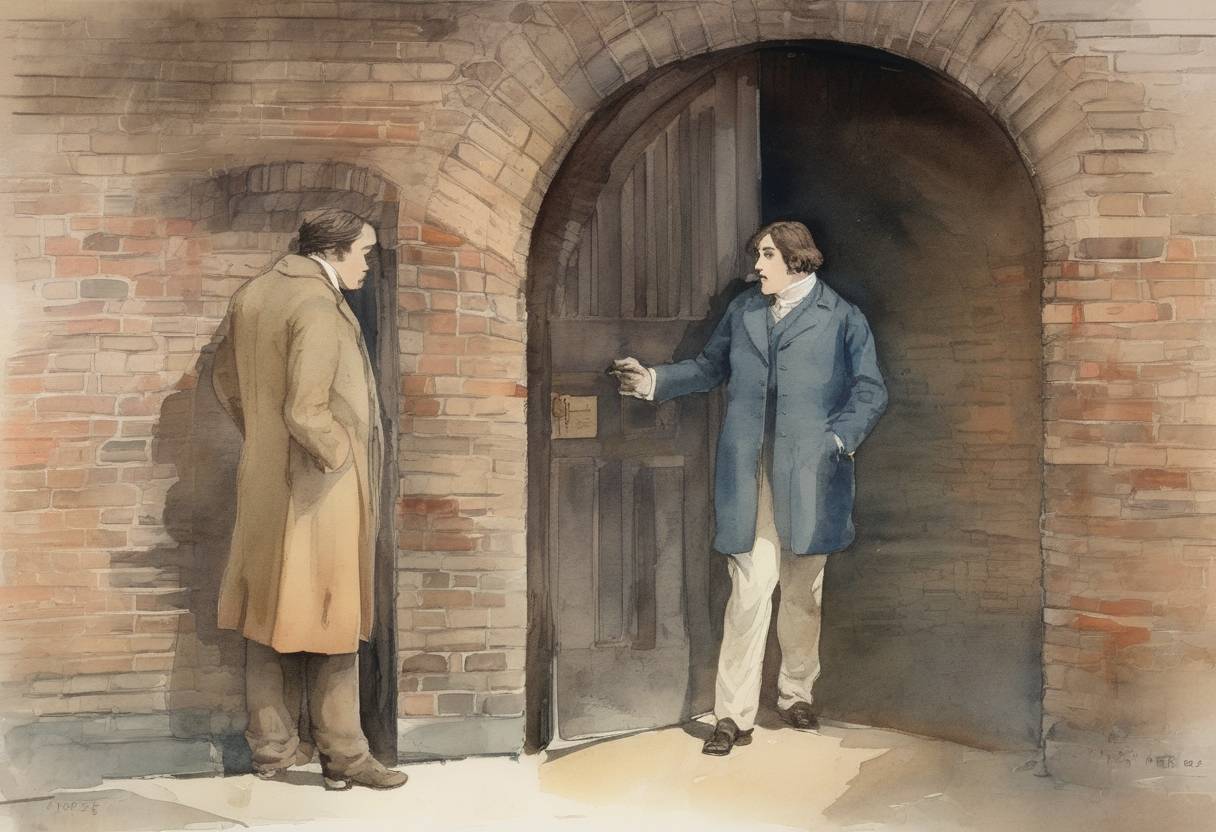
On May 19, 1897, the renowned Irish playwright and poet Oscar Wilde was released from Reading Gaol after serving a two-year sentence of hard labor. Wilde’s imprisonment was the result of his conviction for “gross indecency” due to his homosexual relationships, which were criminalized under the laws of the time.
Oscar Wilde was a leading literary figure in the late 19th century, celebrated for his wit, flamboyant style, and works such as The Picture of Dorian Gray and The Importance of Being Earnest. However, his personal life became the subject of public scandal when his relationship with Lord Alfred Douglas, the son of the Marquess of Queensberry, came to light.
In 1895, Wilde sued the Marquess for libel after being accused of homosexuality. The trial backfired, leading to Wilde’s arrest and subsequent conviction for gross indecency. He was sentenced to two years of hard labor, a punishment that was both physically and mentally taxing.
Wilde was initially incarcerated at Pentonville and Wandsworth prisons before being transferred to Reading Gaol. During his imprisonment, he suffered from harsh conditions and deteriorating health. Despite these challenges, Wilde continued to write, producing De Profundis, a long letter to Lord Alfred Douglas reflecting on his experiences and thoughts.
Upon his release on May 19, 1897, Wilde adopted the pseudonym “Sebastian Melmoth” and left England for France, where he spent the remainder of his life. His time in prison profoundly affected him, and he wrote The Ballad of Reading Gaol, a poignant poem that highlighted the brutal realities of the penal system.
Wilde’s release marked the beginning of his exile from British society. He lived in relative obscurity and financial difficulty until his death in 1900. Despite the personal and professional toll of his imprisonment, Wilde’s literary legacy endured, and he is now celebrated as a pivotal figure in the history of literature and LGBTQ+ rights.
Wilde’s trial and imprisonment were significant in highlighting the harsh legal and social attitudes towards homosexuality in the Victorian era. His experiences and writings contributed to the broader discourse on human rights and the eventual decriminalization of homosexuality in the UK. Wilde’s life and work continue to resonate, serving as a testament to the enduring struggle for equality and freedom of expression.
Source: en.wikipedia.org