The National Baseball Hall of Fame and Museum Dedication: June 12, 1939
1939 · Cooperstown, United States
The National Baseball Hall of Fame and Museum was officially dedicated in Cooperstown, New York.
January 29, 1936
The first inductees into the Baseball Hall of Fame were announced, including Ty Cobb, Babe Ruth, Honus Wagner, Christy Mathewson, and Walter Johnson.
Cooperstown, United States | Baseball Hall of Fame
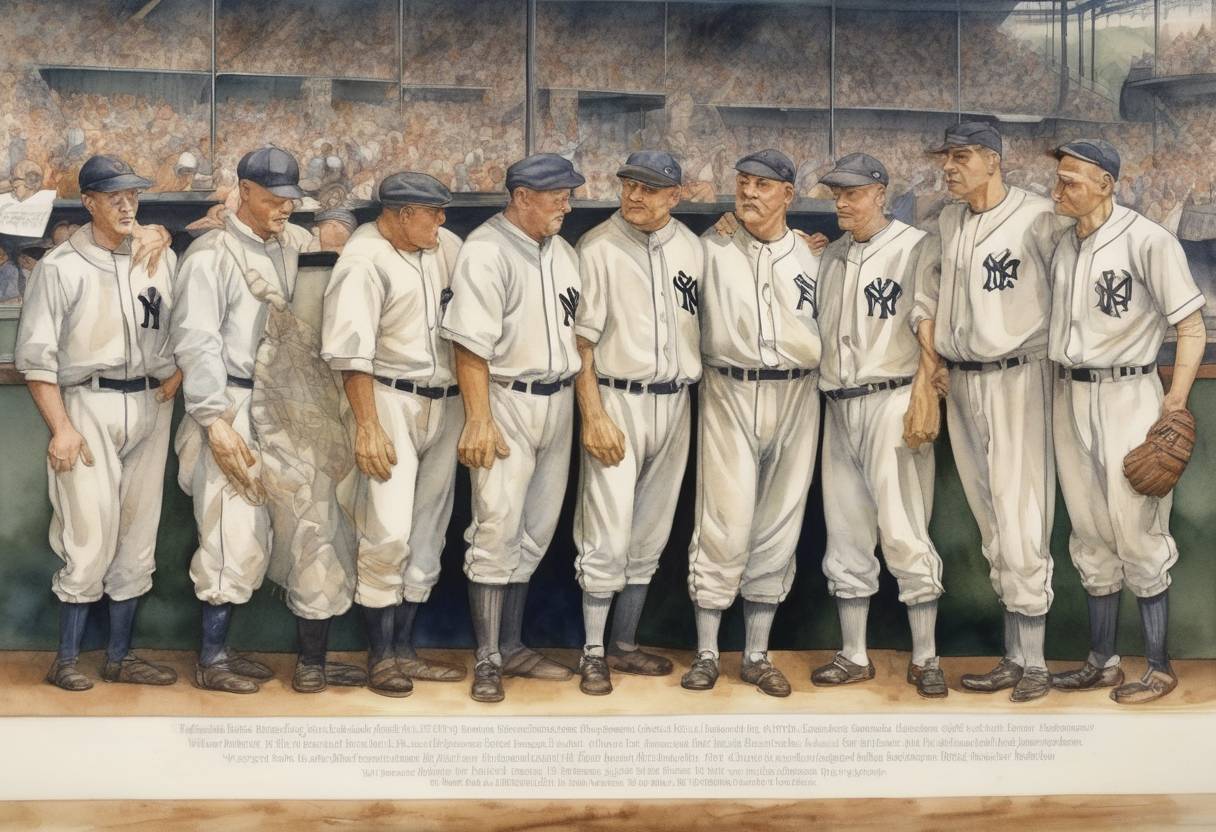
On January 29, 1936, the National Baseball Hall of Fame announced its first class of inductees, a momentous occasion in the history of American sports. This inaugural class included five legendary figures: Ty Cobb, Babe Ruth, Honus Wagner, Christy Mathewson, and Walter Johnson. These players were selected for their extraordinary contributions to the game and their enduring legacies.
The establishment of the Baseball Hall of Fame was part of a broader effort to celebrate and preserve the history of America’s pastime. Located in Cooperstown, New York, the Hall of Fame serves as a shrine to the sport’s greatest players, managers, and contributors. The selection of the first class was based on a vote by the Baseball Writers’ Association of America (BBWAA), which aimed to honor those who had made significant impacts on the game.
The induction of these five players set a high standard for future Hall of Fame classes and underscored the importance of baseball in American culture. Each inductee brought unique talents and achievements to the sport, and their legacies continue to influence baseball today.
The announcement of the first Hall of Fame class was met with widespread acclaim and set the stage for the Hall’s official opening in 1939. Since then, the Hall of Fame has inducted hundreds of players, managers, and other figures, becoming a central institution in the world of baseball. The inaugural class remains a benchmark for excellence and is often referenced in discussions about the greatest players in baseball history.
Source: baseballhall.org