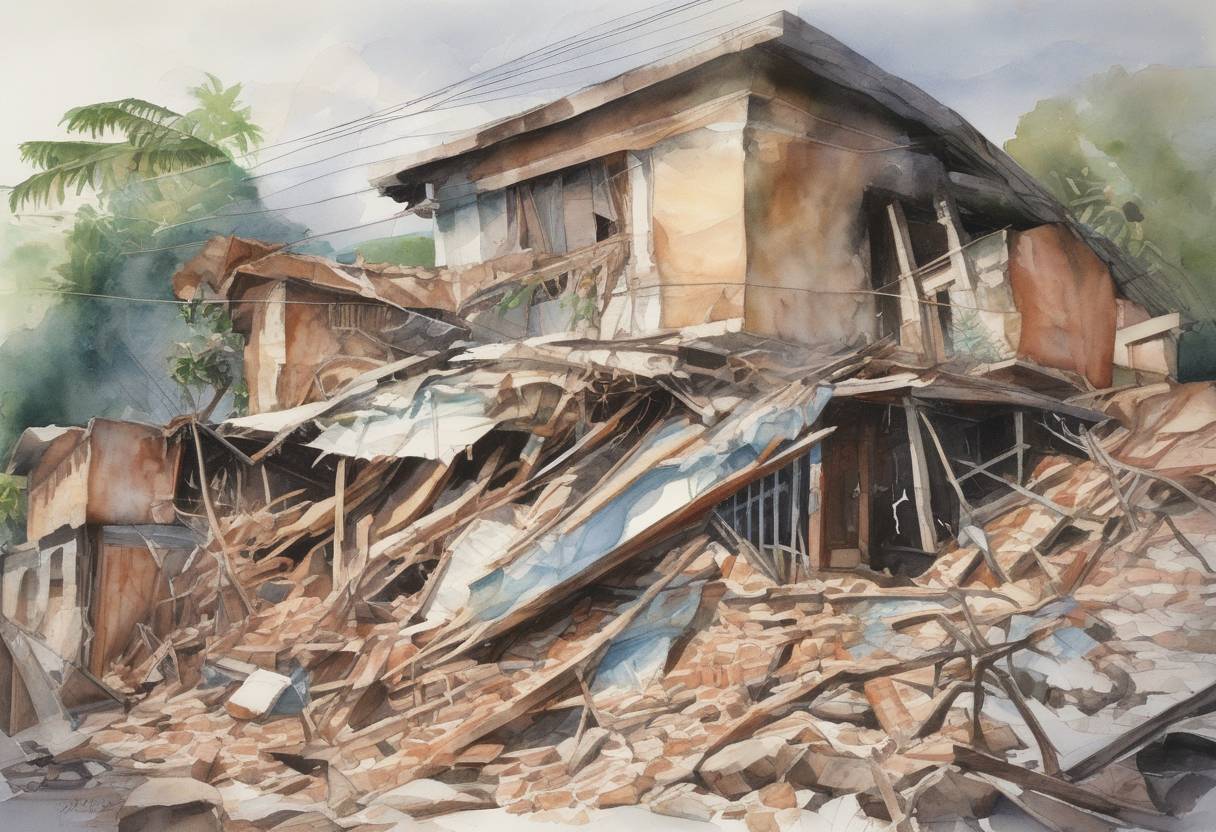
The 2001 El Salvador Earthquake
On January 13, 2001, a devastating earthquake struck El Salvador, measuring 7.6 on the Richter scale. This catastrophic event had profound impacts on the nation, both in terms of human casualties and infrastructural damage.
Context and Background
El Salvador is located in a seismically active region, part of the Pacific Ring of Fire, which makes it susceptible to earthquakes. The country has experienced several significant seismic events throughout its history, but the 2001 earthquake was particularly destructive.
The Earthquake
- Date and Time: January 13, 2001, at 11:33 AM local time.
- Magnitude: 7.6 on the Richter scale.
- Epicenter: The earthquake’s epicenter was located off the Pacific coast of El Salvador, approximately 60 miles southwest of the capital, San Salvador.
- Depth: The quake occurred at a depth of about 60 kilometers (37 miles).
Impact
- Casualties: The earthquake resulted in the deaths of at least 944 people. Thousands more were injured, and many were left homeless.
- Damage: The earthquake caused widespread destruction across the country. Entire neighborhoods were flattened, and infrastructure such as roads, bridges, and public buildings suffered severe damage.
- Landslides: The quake triggered numerous landslides, particularly in the mountainous regions, which contributed significantly to the death toll and hampered rescue efforts.
Aftermath and Response
- Rescue and Relief Efforts: In the immediate aftermath, rescue operations were launched to find survivors and provide aid to those affected. International assistance was mobilized, with countries and organizations sending aid and supplies.
- Reconstruction: The rebuilding process was extensive and required significant resources. Efforts were made to improve building codes and disaster preparedness to mitigate the impact of future earthquakes.
Broader Historical Significance
The 2001 earthquake highlighted the vulnerability of El Salvador to natural disasters and underscored the need for improved infrastructure and emergency response systems. It also brought attention to the socio-economic challenges faced by the country, as the poorest communities were often the hardest hit.
In conclusion, the January 13, 2001, earthquake was a tragic event in El Salvador’s history, with lasting impacts on its society and infrastructure. The disaster prompted both national and international efforts to enhance disaster resilience and support the affected populations.