The Royal Massacre and Ascension of King Gyanendra
2001 · Kathmandu, Nepal
Gyanendra is crowned King of Nepal following the royal massacre in which King Birendra and several members of the royal family were killed.
May 28, 2008
Nepal abolishes its monarchy and becomes a federal democratic republic, ending 240 years of royal rule.
Kathmandu, Nepal | Nepalese Government
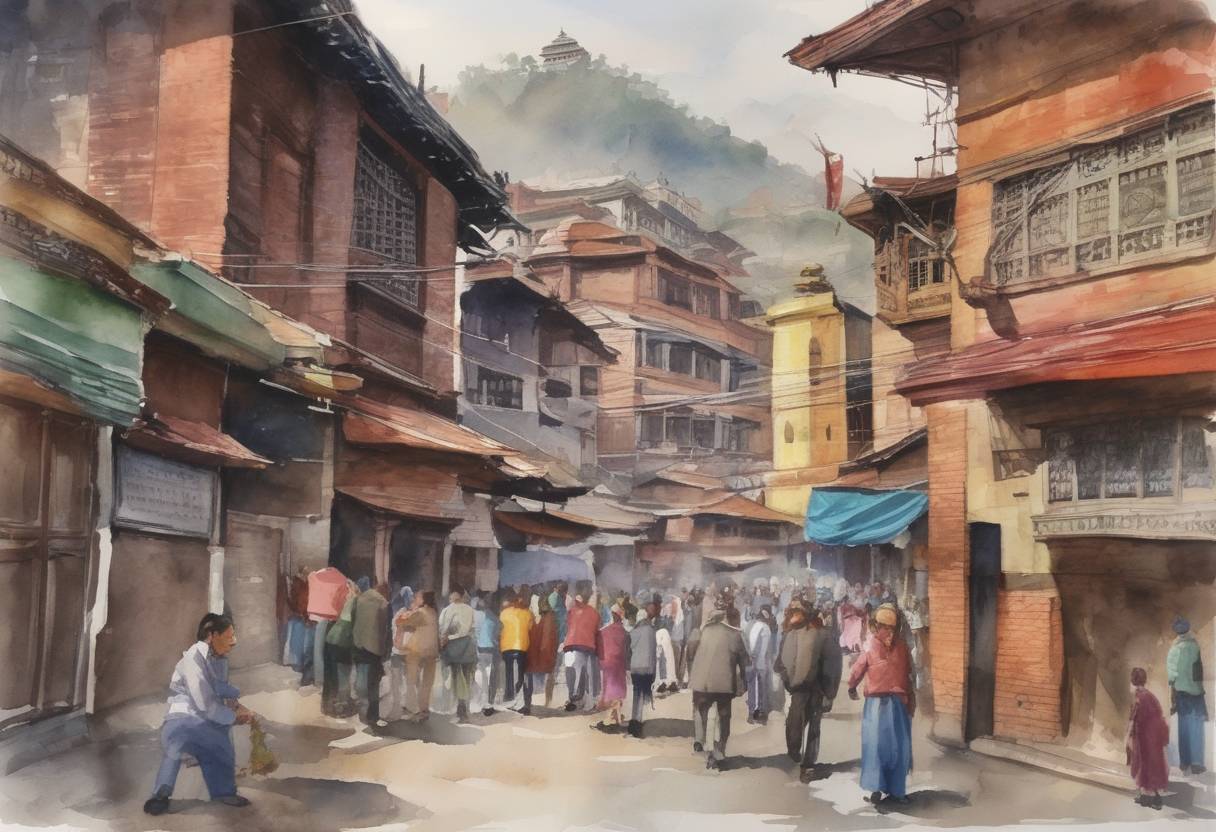
On May 28, 2008, Nepal officially abolished its monarchy, marking the end of a 240-year-old royal rule and transforming the nation into a federal democratic republic. This historic transition was the culmination of years of political struggle and social change within the country.
Nepal’s monarchy was established in 1768 when King Prithvi Narayan Shah unified the small principalities of the region into a single kingdom. Over the centuries, the monarchy wielded significant power, often ruling with an autocratic approach. However, the late 20th and early 21st centuries saw increasing demands for democratic reforms.
People’s Movement of 1990: This movement led to the establishment of a constitutional monarchy and a multi-party democracy, significantly reducing the king’s powers.
Maoist Insurgency (1996-2006): The Communist Party of Nepal (Maoist) launched a decade-long civil war against the government, demanding the abolition of the monarchy and establishment of a people’s republic.
Royal Massacre of 2001: The tragic massacre in which King Birendra and most of the royal family were killed led to widespread disillusionment with the monarchy.
King Gyanendra’s Direct Rule (2005): King Gyanendra’s decision to dissolve the government and assume direct control further fueled public discontent and protests.
Comprehensive Peace Agreement (2006): The signing of this agreement between the government and Maoist rebels ended the civil war and paved the way for political reforms.
On May 28, 2008, the newly elected Constituent Assembly voted overwhelmingly to abolish the monarchy. The decision was part of a broader peace process and political restructuring aimed at establishing a more inclusive and democratic governance system. The assembly declared Nepal a federal democratic republic, with the president as the head of state.
The abolition of the monarchy in Nepal was a significant event in South Asian history, reflecting broader global trends towards democratization and the decline of monarchical power. It highlighted the power of popular movements and the importance of inclusive governance in achieving political stability and social progress.
This transition marked a new chapter in Nepal’s history, as the country embarked on a path toward democratic governance and social reform, striving to address the aspirations and needs of its diverse population.
Source: www.bbc.com