Suicide Bombing at Domodedovo International Airport - January 24, 2011
2011 · Moscow, Russia
A suicide bombing at Domodedovo International Airport in Moscow killed 37 people and injured over 180, highlighting ongoing security challenges in Russia.
August 16, 2015
A bomb exploded at the Erawan Shrine in Bangkok, Thailand, killing 20 people and injuring 125 others.
Bangkok, Thailand | unknown
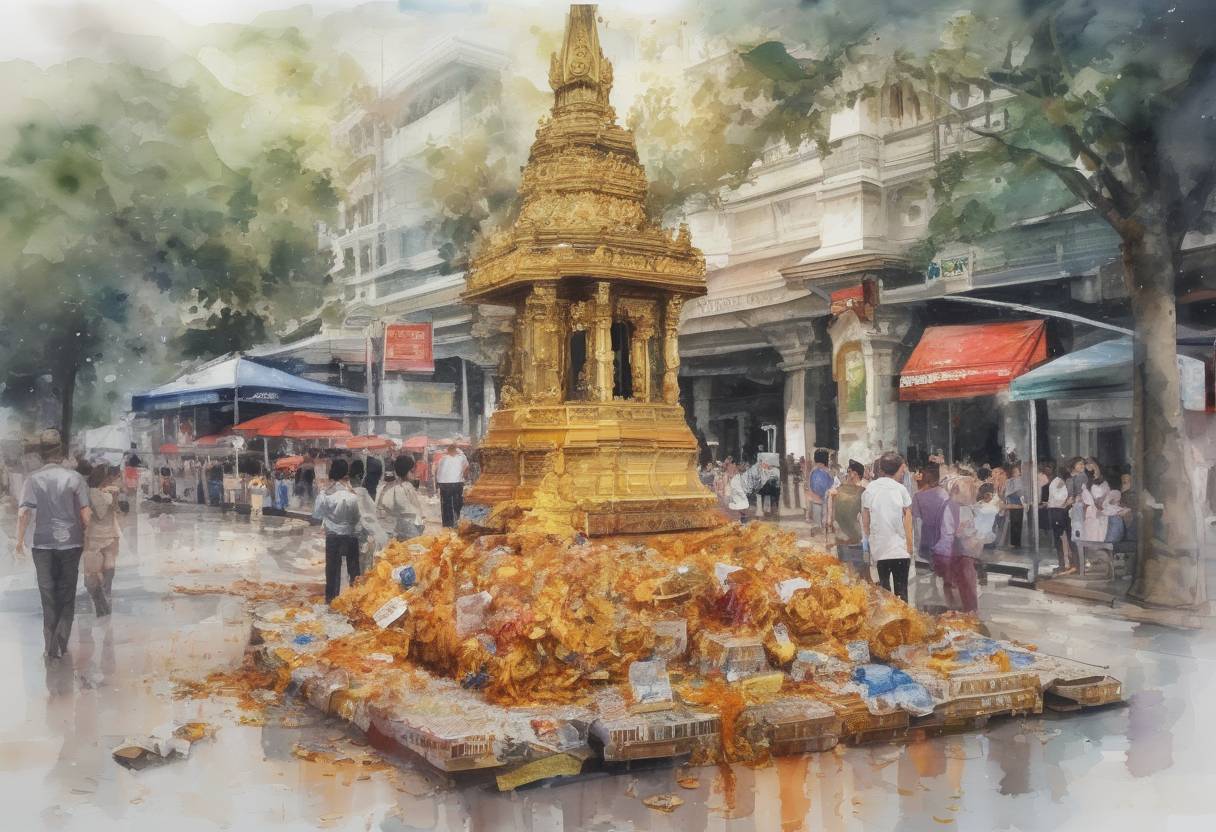
On August 17, 2015, a devastating bombing occurred at the Erawan Shrine in Bangkok, Thailand, resulting in the tragic loss of 20 lives and injuring 125 others. This event marked one of the deadliest attacks in Thailand’s recent history and had significant implications both domestically and internationally.
The Erawan Shrine, located at the Ratchaprasong intersection in the heart of Bangkok, is a popular Hindu shrine dedicated to the god Brahma. It is frequented by both locals and tourists, making it a bustling area at most times of the day. The shrine’s location in a central commercial district meant that the attack not only targeted a religious site but also struck at the heart of Bangkok’s economic and tourist activity.
The Erawan Shrine bombing underscored the challenges faced by Thailand in maintaining security and stability in a region often marked by political unrest and violence. It also highlighted the vulnerability of public spaces to acts of terrorism and the importance of international cooperation in addressing such threats.
The event remains a somber reminder of the impact of violence on innocent lives and the ongoing efforts required to ensure peace and security in the region.
Source: en.wikipedia.org