The Stono Rebellion: September 9, 1739
1739 · Stono, United States
The Stono Rebellion, the largest slave uprising in the British mainland colonies prior to the American Revolution, began in the colony of South Carolina.
April 6, 1712
The New York Slave Revolt of 1712 occurred, where enslaved Africans rose up against their masters, resulting in severe reprisals and stricter slave codes.
New York City, United States | Colonial government of New York
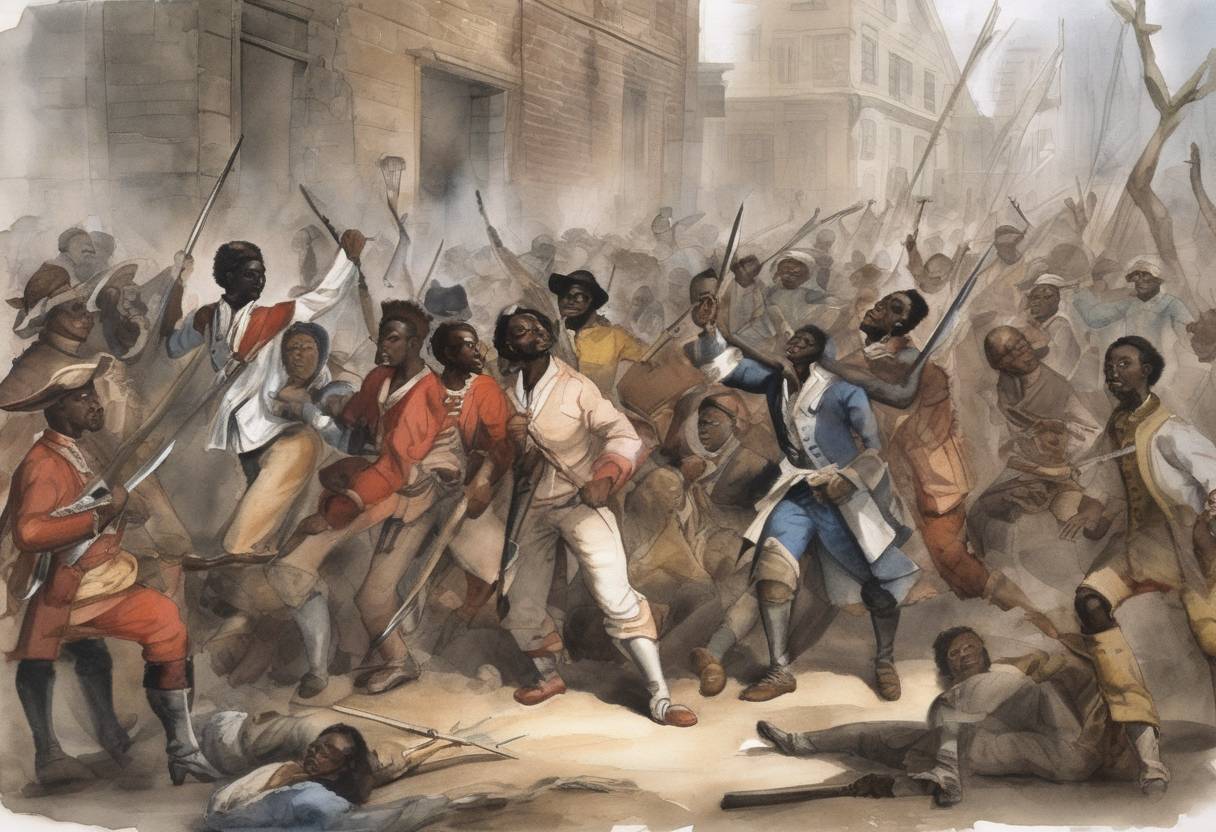
On April 6, 1712, a significant and tragic event unfolded in the early history of New York City, then a burgeoning colonial settlement under British control. This event, known as the New York Slave Revolt of 1712, was a violent uprising by enslaved Africans against their oppressive conditions and the brutal system of slavery.
In the early 18th century, New York City was a diverse and rapidly growing colony with a significant population of enslaved Africans. By 1712, approximately 20% of the city’s population was enslaved. The conditions for these individuals were harsh, with limited freedoms and severe restrictions imposed by their enslavers. The enslaved community faced brutal treatment, and their lives were governed by strict codes that denied them basic human rights.
The revolt was carefully planned by a group of about 23 enslaved Africans who sought to resist their oppression. On the night of April 6, they set fire to a building on Maiden Lane in the heart of the city. As the fire spread, the enslaved individuals armed themselves with weapons and attacked the white colonists who came to extinguish the blaze. The revolt resulted in the deaths of nine white colonists and injuries to several others.
The response from the colonial authorities was swift and brutal. The revolt was quickly suppressed, and a manhunt ensued to capture the participants. In the aftermath, 27 enslaved Africans were captured and put on trial. Of these, 21 were executed in a variety of gruesome ways, including being burned at the stake, hanged, or broken on the wheel. The severe reprisals were intended to serve as a deterrent to any future insurrections.
The New York Slave Revolt of 1712 had significant repercussions:
Stricter Slave Codes: In response to the revolt, the colonial government enacted even harsher slave codes. These laws further restricted the movement, assembly, and rights of enslaved people, aiming to prevent any future uprisings.
Increased Tensions: The revolt heightened tensions between the enslaved population and the white colonists, leading to a climate of fear and suspicion.
Legacy of Resistance: Despite its failure, the revolt is remembered as an early act of resistance against the institution of slavery in America. It highlighted the desperate conditions faced by enslaved Africans and their willingness to fight for freedom, despite the risks involved.
The New York Slave Revolt of 1712 remains a poignant reminder of the brutal realities of slavery and the enduring human spirit’s quest for freedom and justice.
Source: www.britannica.com