The Accidental Bombing of the Chinese Embassy in Belgrade
1999 · Belgrade, Yugoslavia
The United States accidentally bombs the Chinese embassy in Belgrade during the NATO bombing of Yugoslavia.
March 24, 1999
NATO launched air strikes against Yugoslavia, marking the beginning of the Kosovo War intervention.
Belgrade, Yugoslavia | NATO
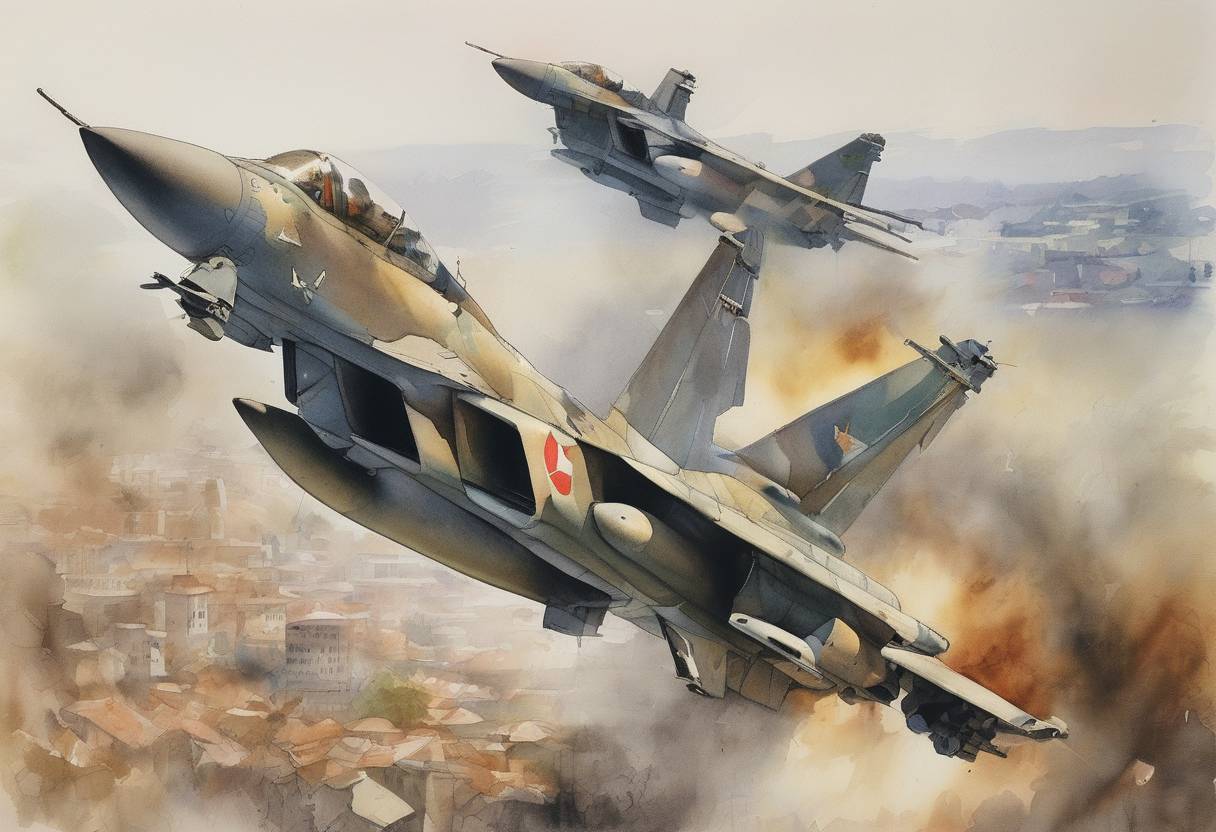
On March 24, 1999, NATO launched a series of air strikes against the Federal Republic of Yugoslavia, marking the beginning of its military intervention in the Kosovo War. This action was a significant moment in the conflict, which had been escalating due to ethnic tensions and violence in the region.
Background of the Conflict: The Kosovo War was rooted in longstanding ethnic tensions between the Albanian majority and the Serbian minority in Kosovo, a province of Serbia within the Federal Republic of Yugoslavia. The rise of the Kosovo Liberation Army (KLA) in the late 1990s, which sought independence for Kosovo, led to increased violence and a harsh crackdown by Yugoslav forces under President Slobodan Milošević.
International Concerns: Reports of human rights abuses and ethnic cleansing against Kosovar Albanians drew international condemnation. Diplomatic efforts, including the Rambouillet Conference, failed to reach a peaceful resolution, as the Yugoslav government rejected proposals for NATO peacekeeping forces in Kosovo.
Operation Allied Force: On March 24, 1999, NATO initiated Operation Allied Force, a bombing campaign aimed at halting the humanitarian crisis and compelling Yugoslav forces to withdraw from Kosovo. This marked the first time NATO used military force against a sovereign state without United Nations Security Council approval, citing humanitarian grounds.
Objectives: The primary goals were to end the violence against Kosovar Albanians, ensure the withdrawal of Yugoslav military and paramilitary forces, and facilitate the return of refugees.
Duration and Scope: The air campaign lasted 78 days, involving over 38,000 sorties. It targeted military infrastructure, command and control centers, and supply lines, but also resulted in civilian casualties and damage to civilian infrastructure.
Humanitarian Crisis: The intervention exacerbated the refugee crisis, with hundreds of thousands of Kosovar Albanians fleeing to neighboring countries.
Resolution: The campaign concluded on June 10, 1999, when Yugoslavia agreed to a peace plan that included the withdrawal of its forces from Kosovo and the establishment of a UN-administered interim government, paving the way for the return of refugees and the deployment of NATO peacekeepers.
Kosovo’s Status: Kosovo remained under UN administration until it declared independence in 2008, a status still contested by Serbia and not universally recognized.
NATO’s Role: The intervention was a pivotal moment for NATO, demonstrating its willingness to act beyond traditional collective defense roles and raising debates about the legality and ethics of humanitarian intervention without UN approval.
Legacy: The Kosovo intervention set a precedent for future humanitarian interventions and highlighted the complexities of balancing state sovereignty with international human rights concerns.
The NATO air strikes against Yugoslavia in 1999 remain a significant and controversial chapter in the history of international relations and military interventions.
Source: www.britannica.com