The First Broadcast of Big Ben's Chimes by the BBC
1923 · London, United Kingdom
The chimes of Big Ben, the clock tower of the Palace of Westminster in London, were broadcast for the first time by the BBC to mark the new year.
November 14, 1922
The British Broadcasting Company (BBC) begins radio service in the United Kingdom.
London, United Kingdom | BBC
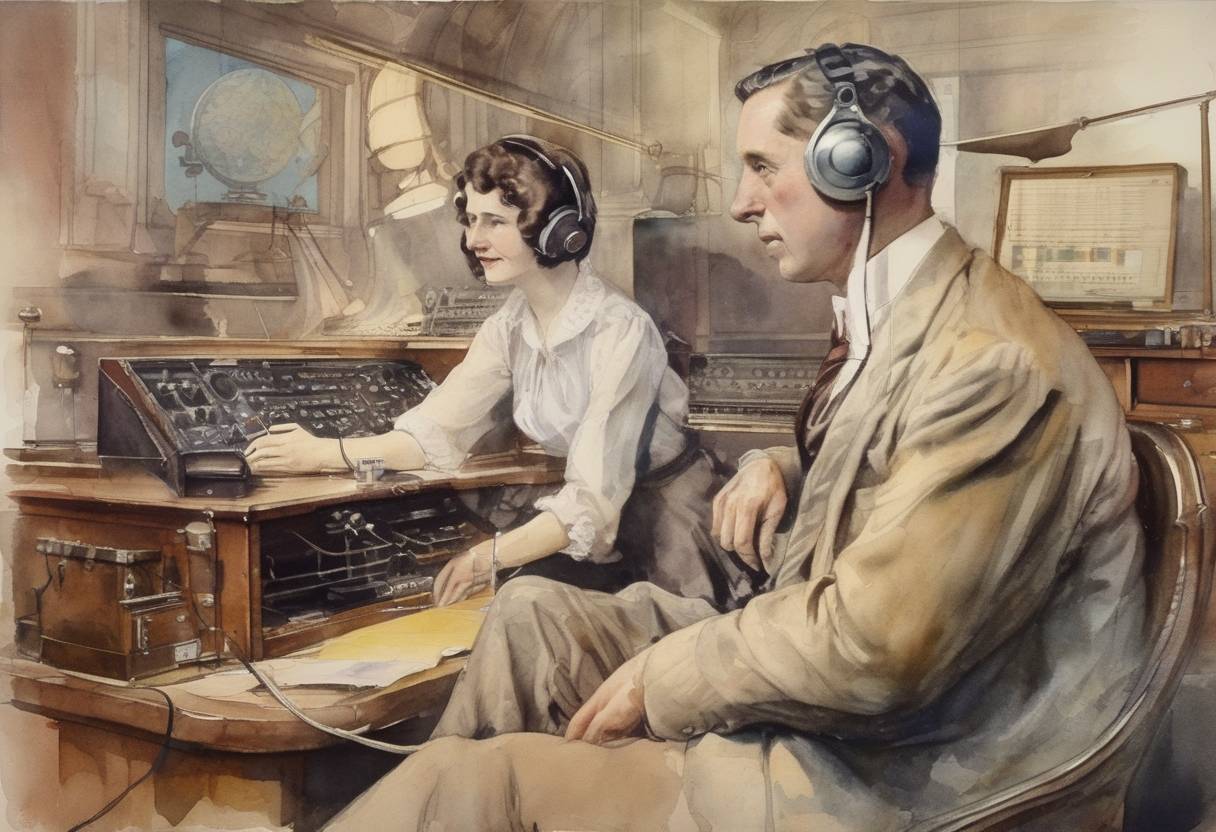
On November 14, 1922, the British Broadcasting Company (BBC) began its first radio service in the United Kingdom, marking a significant milestone in the history of broadcasting. This event laid the foundation for what would become one of the world’s most respected and influential public service broadcasters.
Post-War Britain: The early 1920s in Britain were characterized by rapid technological advancements and a growing interest in wireless communication. The aftermath of World War I saw increased experimentation with radio technology, which had been crucial during the war for military communications.
Formation of the BBC: The British Broadcasting Company was formed by a consortium of leading wireless manufacturers, including Marconi, General Electric, and others. The aim was to stimulate the sale of radio sets by providing content that would attract listeners.
Government Involvement: The British government, recognizing the potential of radio broadcasting, played a pivotal role in the establishment of the BBC. The Post Office, which controlled radio frequencies, granted the BBC a license to broadcast.
John Reith’s Leadership: John Reith was appointed as the first General Manager of the BBC. His vision for the company was to inform, educate, and entertain the public, principles that continue to guide the BBC today.
Location: The inaugural broadcast took place from Marconi’s studio in London, located at 2LO, a call sign that became synonymous with early BBC broadcasts.
Content: The first program featured a mix of news, music, and talks. Arthur Burrows, one of the BBC’s first employees, read the news bulletin, which was an essential component of the service from the outset.
Cultural Influence: The launch of the BBC’s radio service marked the beginning of a new era in mass communication. It played a crucial role in shaping public opinion and culture in Britain.
Expansion and Growth: Over the following decades, the BBC expanded its services, eventually becoming a public corporation in 1927. It grew to include television broadcasting and became a global leader in news and entertainment.
Legacy: The principles established by Reith—inform, educate, and entertain—became the cornerstone of the BBC’s mission. The BBC’s commitment to impartiality and public service broadcasting has set standards for media organizations worldwide.
The commencement of the BBC’s radio service on November 14, 1922, was a transformative event in the history of broadcasting. It not only revolutionized how information and entertainment were disseminated but also established a model for public service broadcasting that continues to influence media organizations globally. The BBC’s legacy as a pioneer in broadcasting remains significant to this day.
Source: en.wikipedia.org