1542 · Linlithgow, Scotland
Mary, Queen of Scots, was born.
December 14, 1542
Princess Mary Stuart was born, who would later become Mary, Queen of Scots, a significant figure in the history of Scotland and England.
Linlithgow, Scotland | N/A
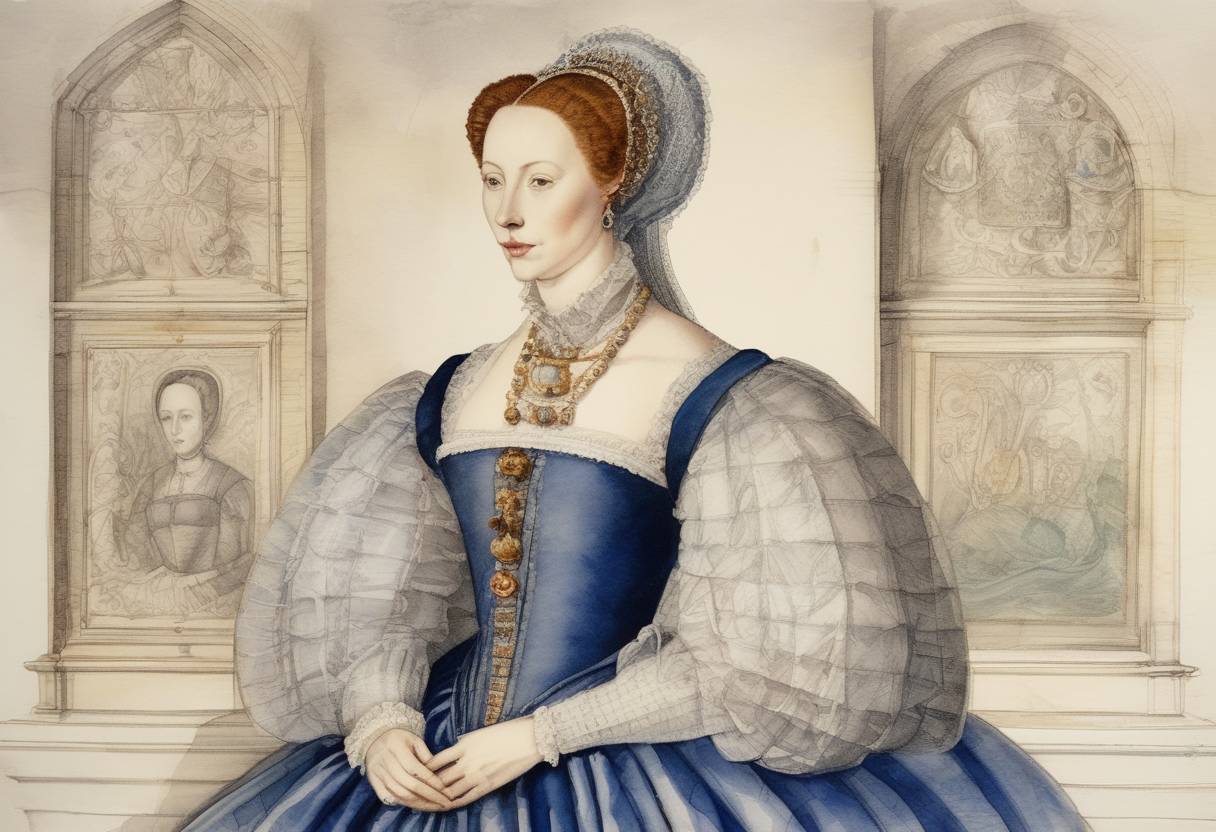
Date: December 8, 1542
Mary Stuart, who would later be known as Mary, Queen of Scots, was born on December 8, 1542, at Linlithgow Palace in Scotland. She was the daughter of King James V of Scotland and his French wife, Mary of Guise. Her birth came at a tumultuous time for Scotland, as her father was embroiled in conflict with England, known as the Rough Wooing, initiated by King Henry VIII.
Parentage: Mary was the only surviving legitimate child of King James V. Her mother, Mary of Guise, was a member of the powerful French noble family, the House of Guise, which played a significant role in European politics.
King James V’s Death: Just six days after Mary’s birth, her father, King James V, died on December 14, 1542, reportedly from a combination of illness and the stress of military defeat at the Battle of Solway Moss. This made Mary the queen of Scotland when she was only six days old.
Regency: Due to her infancy, Scotland was governed by regents. Initially, the Earl of Arran served as regent, but Mary of Guise later took over the regency, ensuring her daughter’s safety and securing alliances, particularly with France.
Betrothal and Marriage: Mary was betrothed to the Dauphin of France, Francis, in 1548, as part of a strategic alliance between Scotland and France. She was sent to France at the age of five to be raised at the French court. Mary married Francis in 1558, becoming Queen Consort of France when he ascended the throne as King Francis II in 1559.
Return to Scotland: After Francis II’s death in 1560, Mary returned to Scotland in 1561. Her reign in Scotland was marked by religious conflict and political intrigue, as she was a Catholic queen in a predominantly Protestant country.
Conflict and Imprisonment: Mary’s reign was fraught with challenges, including her controversial marriage to Henry Stuart, Lord Darnley, and his subsequent murder. Her marriage to James Hepburn, Earl of Bothwell, further alienated her from her subjects, leading to her forced abdication in favor of her son, James VI, in 1567.
Imprisonment and Execution: Seeking refuge in England, Mary was imprisoned by her cousin, Queen Elizabeth I, due to fears of her claim to the English throne. After 19 years in captivity, Mary was executed in 1587 for her alleged involvement in plots to assassinate Elizabeth.
Mary, Queen of Scots, remains a significant historical figure due to her dramatic life and the political turmoil surrounding her reign. Her story is emblematic of the complex interplay of dynastic politics, religion, and power in 16th-century Europe. Her son, James VI of Scotland, would later become James I of England, uniting the crowns of Scotland and England.
Mary’s life and legacy continue to captivate historians and the public alike, symbolizing the enduring struggle for power and the intricate web of alliances and enmities that characterized the period.
Source: en.wikipedia.org