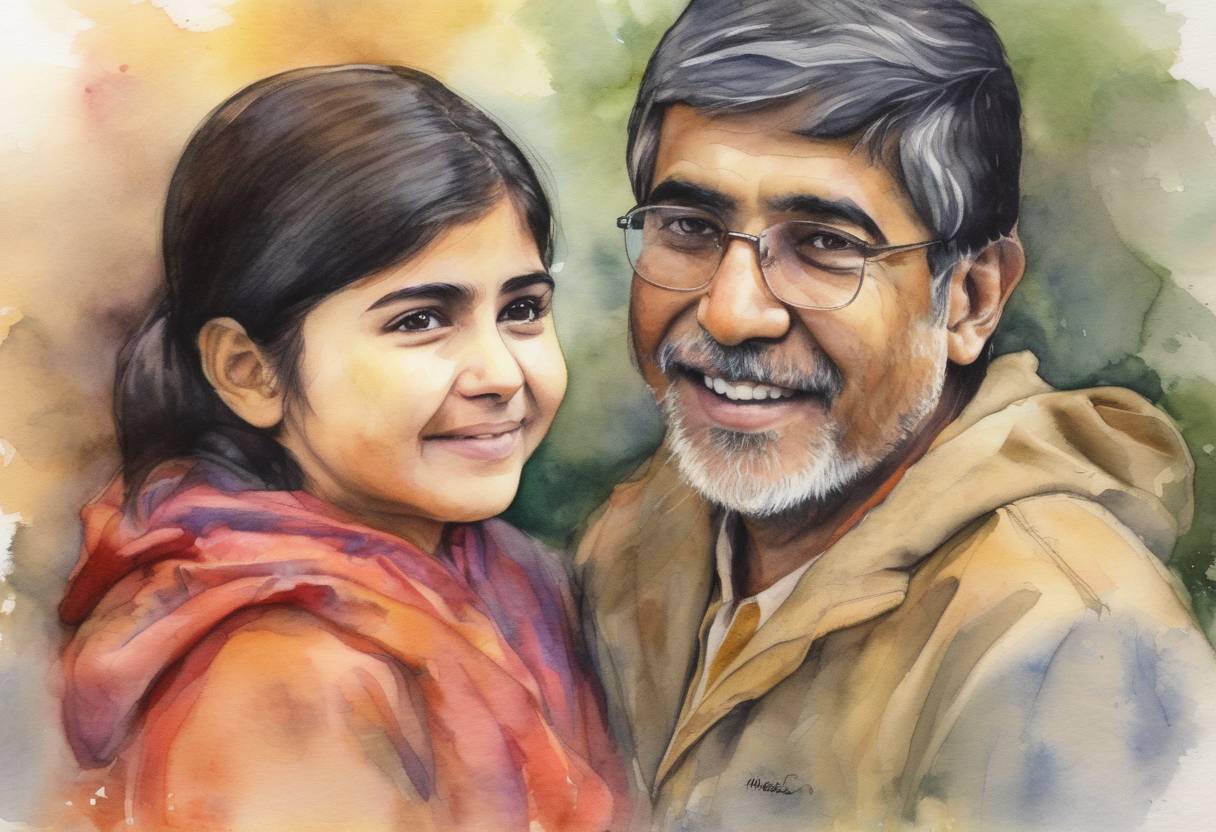
Nobel Peace Prize Awarded to Malala Yousafzai and Kailash Satyarthi
On October 9, 2014, the Nobel Peace Prize was awarded jointly to Malala Yousafzai and Kailash Satyarthi for their tireless efforts in advocating for the rights of children and young people, particularly focusing on the right to education. This award highlighted the global importance of education and the ongoing struggle against the suppression of children.
Malala Yousafzai
Background: Malala Yousafzai, born on July 12, 1997, in Mingora, Pakistan, became an international symbol of the fight for girls’ education after surviving an assassination attempt by the Taliban in 2012. She was targeted for her outspoken advocacy for girls’ education in the Swat Valley, where the Taliban had banned girls from attending school.
Impact: Despite the attack, Malala continued her activism, becoming a global advocate for education. Her courage and determination inspired millions worldwide, and she co-authored the memoir “I Am Malala,” which further amplified her message. At the time of receiving the Nobel Prize, she was the youngest-ever laureate at 17 years old.
Kailash Satyarthi
Background: Kailash Satyarthi, born on January 11, 1954, in Vidisha, India, is a long-time activist against child labor. He founded the Bachpan Bachao Andolan (Save the Childhood Movement) in 1980, which has been instrumental in rescuing over 80,000 children from various forms of exploitation, including bonded labor and trafficking.
Impact: Satyarthi’s work has been pivotal in bringing international attention to the plight of child laborers. He has been a key figure in global efforts to end child labor, contributing to the adoption of international conventions on children’s rights.
Significance of the Award
Joint Effort: The Nobel Committee’s decision to award the prize to both Yousafzai and Satyarthi underscored the importance of cross-border collaboration in addressing global issues. Despite their different backgrounds—Yousafzai from Pakistan and Satyarthi from India—their shared commitment to children’s rights highlighted the universal nature of their cause.
Broader Impact: The award brought significant attention to the issues of child labor and education, encouraging international dialogue and policy initiatives aimed at improving access to education and protecting children’s rights worldwide.
Aftermath
Continued Advocacy: Both laureates have continued their advocacy work. Malala Yousafzai established the Malala Fund, which focuses on ensuring 12 years of free, safe, and quality education for girls. Kailash Satyarthi has continued his work through the Global March Against Child Labour and other initiatives.
Legacy: The recognition of their efforts by the Nobel Committee has inspired further activism and policy changes, contributing to a growing global movement to ensure education and freedom for all children.
The awarding of the Nobel Peace Prize to Malala Yousafzai and Kailash Satyarthi in 2014 remains a powerful reminder of the ongoing struggle for children’s rights and the transformative power of education.