The First Performance of Gilbert and Sullivan's Comic Opera 'H.M.S. Pinafore'
1878 · London, England
The first performance of Gilbert and Sullivan's comic opera 'H.M.S. Pinafore' took place in London.
June 24, 1717
The Premier Grand Lodge of England, the first Grand Lodge in the world, was formed in London, marking the beginning of what became known as Freemasonry.
London, England | Premier Grand Lodge of England
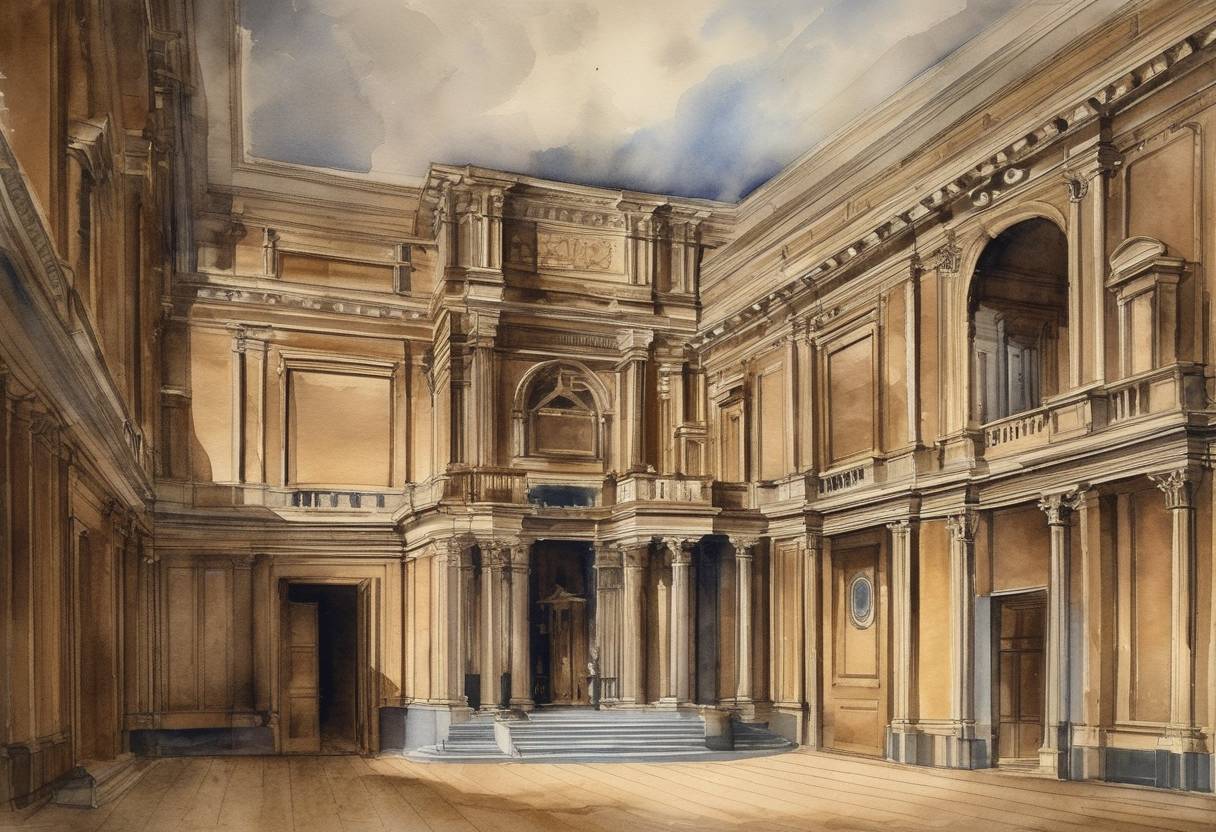
On June 24, 1717, a seminal event in the history of Freemasonry occurred in London: the establishment of the Premier Grand Lodge of England, the first Grand Lodge in the world. This date is significant as it marks the formal organization of a movement that would expand globally and influence various social, cultural, and political institutions.
Freemasonry is believed to have evolved from the stonemason guilds of the Middle Ages, transitioning from operative masonry, which involved manual stonework, to a speculative form of Masonry — symbolically applying principles of geometry and architecture to moral and philosophical teachings. By the early 18th century, informal Masonic lodges had already been meeting in Britain, primarily for social and charitable purposes.
The path to forming the Grand Lodge began when representatives from four existing lodges gathered at the Goose and Gridiron Ale House in St. Paul’s Churchyard, London. These lodges were:
During this historic meeting, the representatives elected Anthony Sayer as the first Grand Master, thereby establishing what would initially be known as the Grand Lodge of London and Westminster. This act of organization marked a turning point, transforming what had been relatively autonomous gatherings into a more structured and unified fraternity.
The formation of the Premier Grand Lodge of England had significant implications. It facilitated standardized rituals and practices, fostering unity and cohesion among lodges. This new structure promoted the spread of Freemasonry beyond England, influencing its introduction across Europe and eventually the world.
As the Grand Lodge grew, it began to attract influential members, including aristocrats and intellectuals, further enhancing its prestige. Freemasonry’s ideals of liberty, equality, and fraternity played a role in intellectual movements such as the Enlightenment, impacting societal reforms and developments.
Furthermore, this organization became a model for subsequent Grand Lodges worldwide, each adapting Masonic principles to local contexts. Freemasonry would go on to influence various aspects of cultural and political life, with members participating in significant historical events and holding roles in governments and other leadership positions.
The establishment of the Premier Grand Lodge of England on June 24, 1717, was a landmark event in the institutional history of Freemasonry. It launched a tradition that not only survived but flourished globally, contributing to the evolution of social and cultural dialogues throughout history. The principles and organizational framework established on this day continue to resonate within Masonic communities and beyond.
Source: en.wikipedia.org