Samuel Colt and the Patent of the Colt Revolver
1836 · Washington, D.C., United States
Samuel Colt received a United States patent for the Colt revolver, a firearm that would become a significant tool in the American West and military history.
June 15, 1844
Charles Goodyear is granted US patent number 3633 for his process to vulcanize rubber, which significantly advances the rubber industry.
Washington, D.C., United States | United States Patent Office
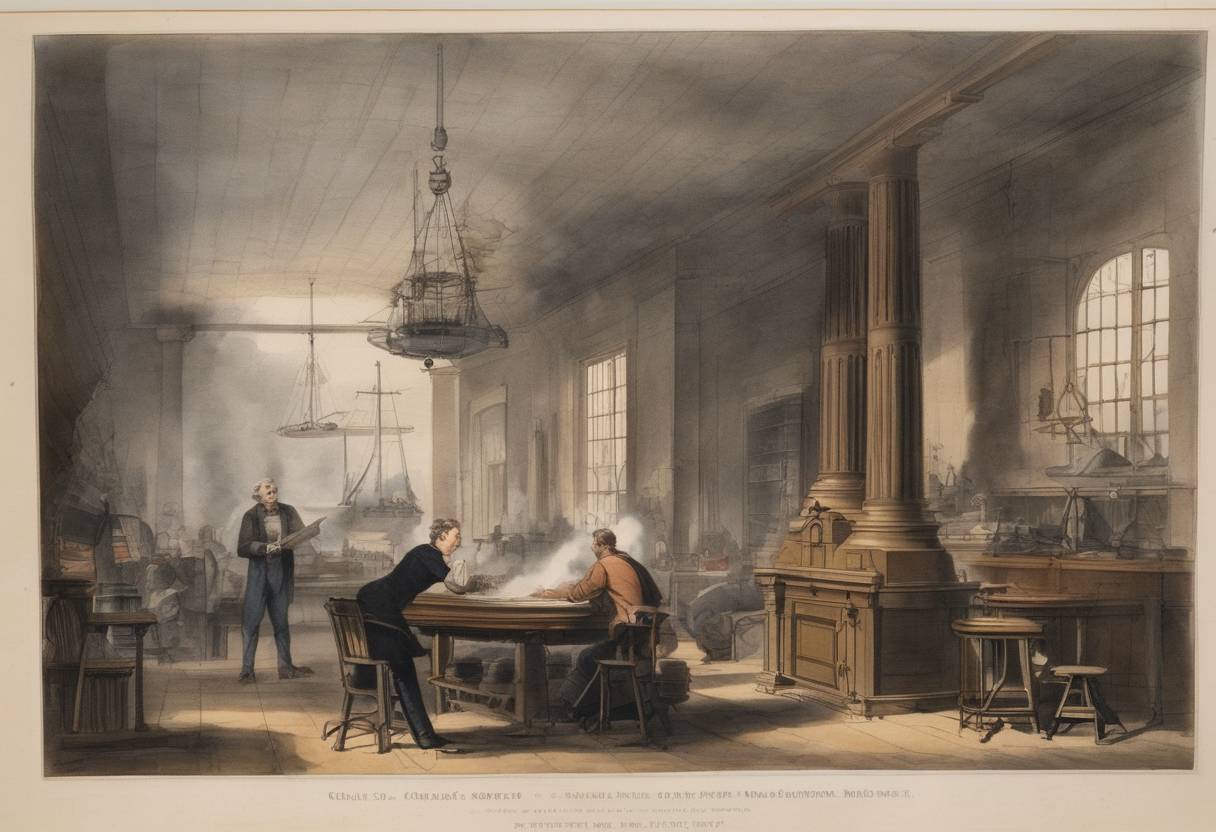
On June 15, 1844, Charles Goodyear was granted U.S. Patent No. 3633 for his revolutionary process of vulcanizing rubber. This patented process transformed the rubber industry and had enduring effects on manufacturing and technological developments.
Before Goodyear’s discovery, natural rubber was impractical for many uses because it was sticky, quickly degraded, and would easily become brittle in cold temperatures or melt in heat. Rubber’s instability meant it could not reliably be used in many industrial or consumer products, which limited its applicability and market growth.
Goodyear’s vulcanization process involved heating natural rubber with sulfur. This chemical reaction significantly improved rubber’s physical properties:
Goodyear’s innovation initiated a rubber boom:
Despite the transformative nature of his innovation, Charles Goodyear did not profit significantly due to financial mismanagement and ongoing legal battles over patent rights. However, his name remains immortalized through the Goodyear Tire & Rubber Company, founded posthumously in his honor, which became one of the largest tire manufacturers in the world.
Goodyear’s patent and his process of vulcanization represent a pivotal moment that not only revolutionized an entire industry but also laid the groundwork for modern rubber manufacturing, affecting countless aspects of daily life and technology.
Source: www.britannica.com