1776 · Halifax, United States
The Halifax Resolves are adopted by the North Carolina Provincial Congress, the first formal call for American independence from Britain.
May 9, 1754
The first newspaper in Canada, the Halifax Gazette, was published in Halifax, Nova Scotia.
Halifax, Canada | Halifax Gazette
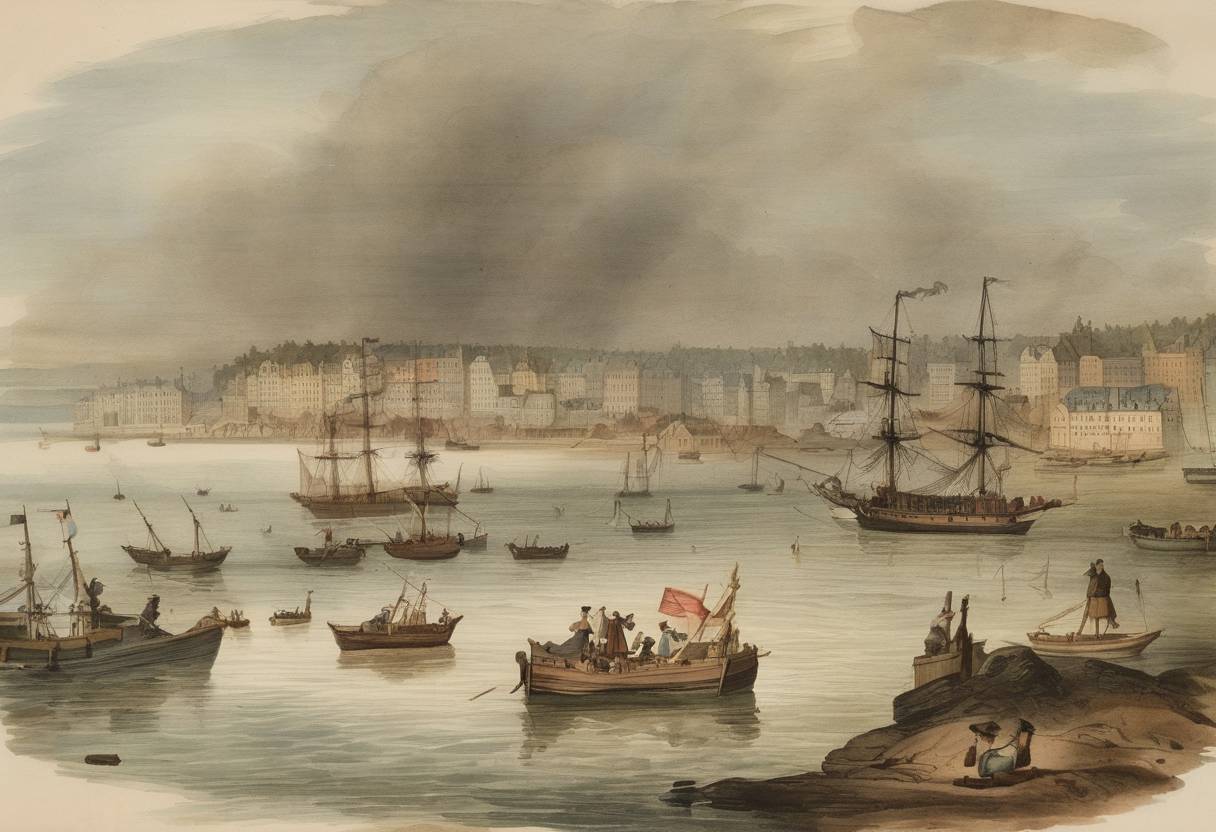
On May 9, 1752, the Halifax Gazette became the first newspaper published in what is now Canada. This event marked a significant moment in the history of Canadian media and communication. The newspaper was released in Halifax, Nova Scotia, which was a strategic location due to its status as a growing colonial outpost.
The Halifax Gazette was founded by John Bushell, a printer who had relocated to Halifax from Boston. The newspaper was published as a one-page print, featuring a mix of local news, shipping reports, and advertisements. Articles in the Halifax Gazette were focused on colonial interests and occasionally included reprinted stories from European publications, showcasing the broader Empire’s influence on local affairs.
The establishment of the Halifax Gazette came at a time when Nova Scotia was under British control and slowly developing its identity apart from the other colonies in North America. Its publication contributed to the spread of information and ideas within the colony, fostering a sense of community and shared awareness among the settlers.
The Halifax Gazette continued publication, although it underwent changes in ownership and titling over the years. As the first Canadian newspaper, it set a precedent for the development of the press in Canada, which has grown to become a critical institution in Canadian society. The Halifax Gazette’s launch was a pivotal moment that underscored the importance of printed media as a tool for communication and a platform for public discourse in colonial Canada.
This early venture into journalism laid the groundwork for the flourishing of media throughout Canada, playing a vital role in its cultural and political evolution.
Source: www.historicacanada.ca