The First Commercial Flight from the U.S. to Cuba in Over 50 Years
2016 · Havana, Cuba
The first commercial flight from the United States to Cuba in over 50 years lands in Havana, marking a significant step in the thawing of U.S.-Cuba relations.
March 21, 2016
United States President Barack Obama makes a historic visit to Cuba, being the first sitting U.S. president to visit the island nation in 88 years, signaling a thaw in relations between the two countries.
Havana, Cuba | United States Government
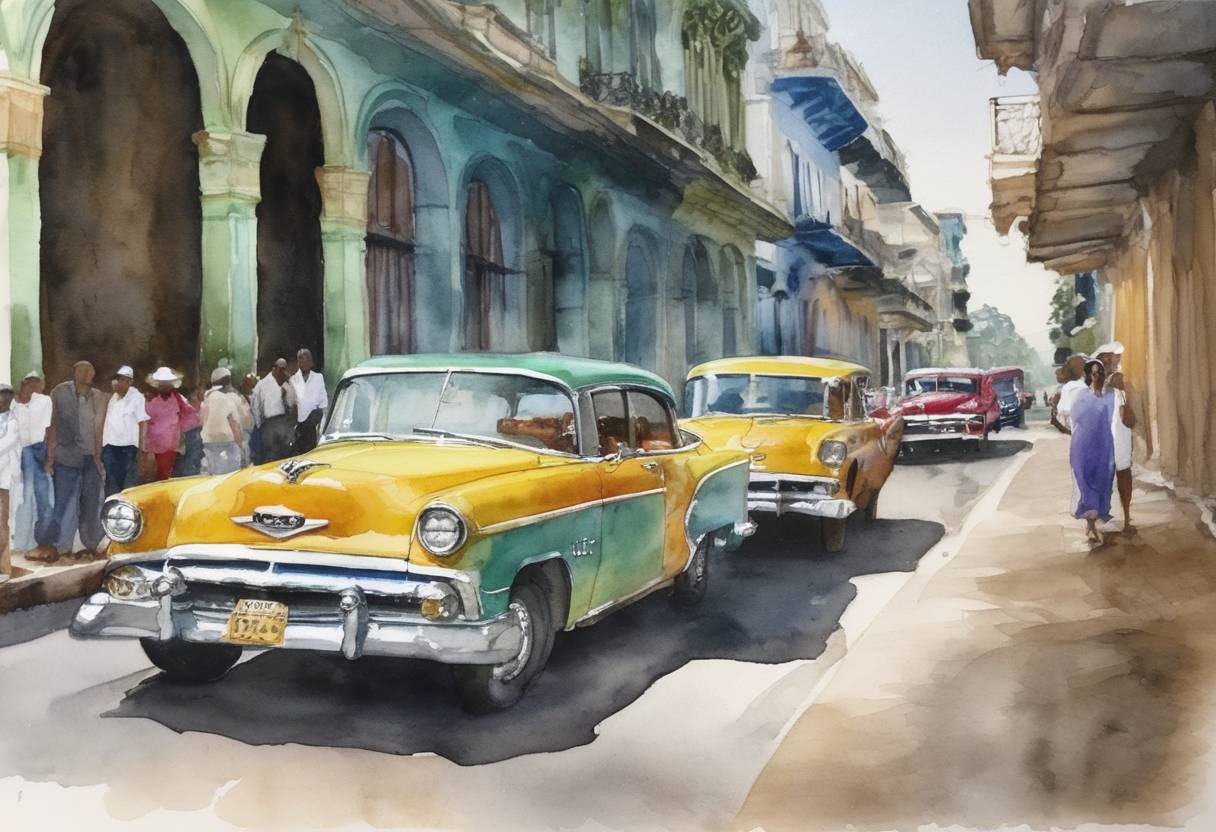
On March 21, 2016, U.S. President Barack Obama arrived in Havana, Cuba, making history as the first sitting U.S. president to visit the island nation since Calvin Coolidge in 1928. This visit marked a significant milestone in the diplomatic thaw between the United States and Cuba, a relationship that had been characterized by over five decades of tension and hostility following the Cuban Revolution and Cuba’s alignment with the Soviet Union during the Cold War.
The visit was part of an effort to restore diplomatic ties, initiated in December 2014, when President Obama and Cuban President Raúl Castro announced a new direction for U.S.-Cuba relations. This diplomatic rapprochement included reopening embassies, easing travel restrictions, and increasing cooperation in areas such as environmental protection, law enforcement, and maritime security.
Arrival in Havana: President Obama, accompanied by First Lady Michelle Obama and their daughters, landed at José Martí International Airport. They were greeted by Cuban Foreign Minister Bruno Rodríguez, highlighting the importance of the visit.
Meetings With Cuban Officials: Obama held formal talks with President Raúl Castro at the Palace of the Revolution, discussing further steps toward normalizing relations, including the lifting of the U.S. trade embargo and human rights concerns.
Symbolic Engagements: The visit included culturally significant activities, such as a tour of Old Havana, a state dinner, and attending a baseball game between Cuba’s national team and the Tampa Bay Rays.
Diplomatic Relations: Obama’s visit symbolized a new era of engagement and opened pathways for expanded economic and cultural exchanges.
Public Address: During a televised speech to the Cuban people, Obama emphasized themes of reconciliation, human rights, and the importance of a prosperous future built through collaboration.
Policy Changes: The visit strengthened initiatives for more relaxed travel and commercial restrictions, although the U.S. trade embargo against Cuba remained in place, requiring congressional action to be fully lifted.
This landmark visit reinforced Obama’s policy of engagement over isolation, aspiring to create a foundation for a future of constructive U.S.-Cuban relations after decades of Cold War-era policies. Despite facing criticism from some U.S. lawmakers and Cuban dissidents, the visit was a defining moment of Obama’s presidency, embodying a commitment to diplomacy and dialogue.
Source: www.nytimes.com