Indian Citizenship Act of 1924
1924 · Washington, D.C., United States
The U.S. Congress granted citizenship to all Native Americans born in the United States through the Indian Citizenship Act.
March 24, 1934
The United States granted independence to the Philippines through the Tydings–McDuffie Act, which provided for the establishment of a ten-year transition period to full independence.
Washington, D.C., United States | U.S. Congress
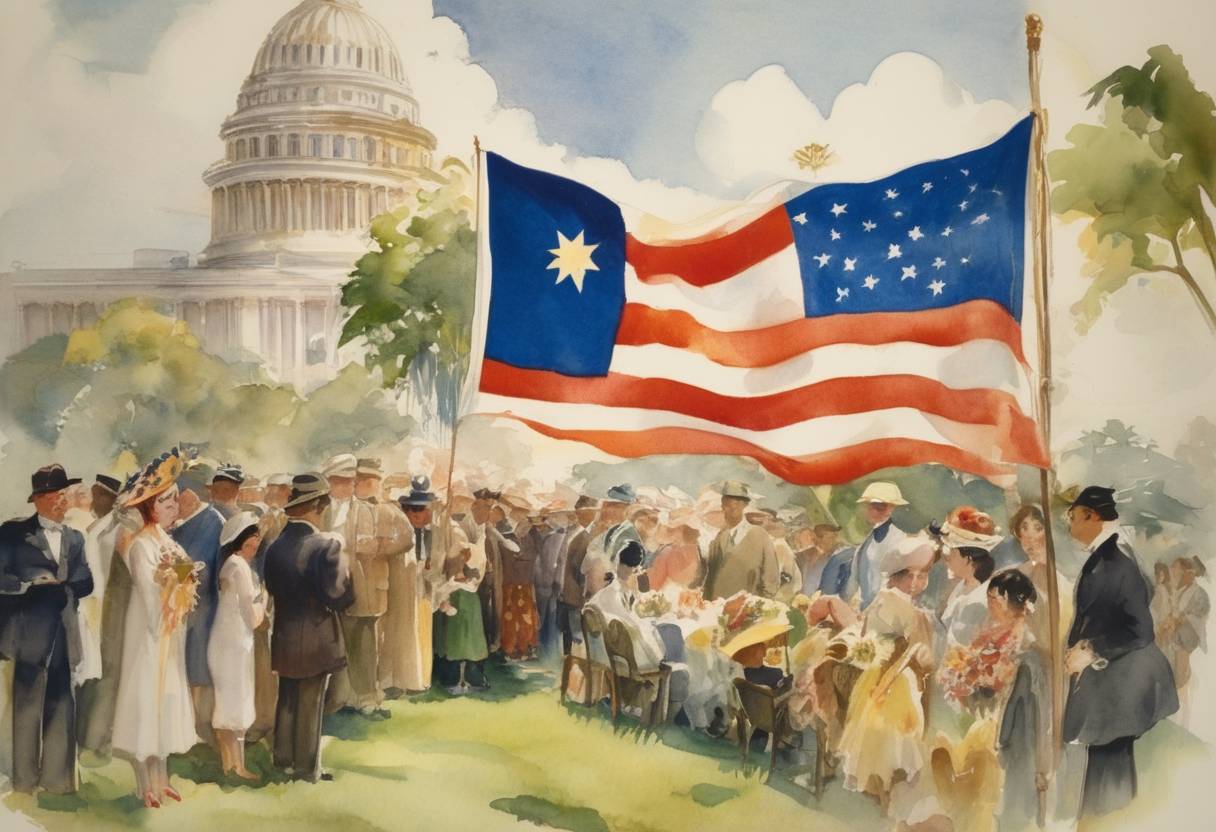
On March 24, 1934, the Tydings–McDuffie Act, officially entitled the Philippine Independence Act, was enacted by the Congress of the United States. This significant legislation set the path for granting independence to the Philippines, then a U.S. colony.
Following the Spanish-American War in 1898, the Philippines was ceded to the United States under the Treaty of Paris, marking the beginning of American colonial rule. Despite U.S. governance, the struggle for Philippine independence continued. The desire for self-rule was propelled by economic, cultural, and nationalistic motivations, which culminated in the drafting of the Tydings–McDuffie Act.
Ten-Year Commonwealth Period: The Act outlined the creation of the Commonwealth of the Philippines, which would last for ten years, during which the Philippines would be self-governing, with its own constitution and elected officials.
Constitution and Elections: A constitutional convention was to be convened to draft a Philippine constitution, which would be subject to approval by the U.S. President and subsequently ratified by the Filipino people.
U.S. Economic and Military Prerogatives: The U.S. retained specific rights concerning Filipino trade relations and continued to control its foreign policy and military bases, even throughout the Commonwealth period.
Full Independence: After the transitional commonwealth period, complete sovereignty was planned to be achieved on July 4, 1946, barring any impediments.
The Tydings–McDuffie Act represented a binding commitment to Filipino self-determination and demonstrated a shift in U.S. policy from colonial possession to fostering independence. It reflected a broader trend during the 20th century of granting self-governing autonomy or independence to former colonies.
Philippine Commonwealth Government: The Commonwealth was established on November 15, 1935, with Manuel L. Quezon as its first President, inaugurating a decade of preparation for full sovereignty.
World War II: The Japanese occupation of the Philippines during World War II interrupted the planned transition, delaying complete independence until after the war.
Independence Day: The Philippines ultimately regained full sovereignty on July 4, 1946, a date that was later permanently changed to June 12 to commemorate the declaration of independence from Spain in 1898.
The Act remains a pivotal moment in Philippine-American history, initiating a gradual process towards the nation’s autonomy and setting a precedent for peaceful transitions from colonial rule to independence.
Source: en.wikipedia.org