Ascension of King George II of Great Britain
1727 · London, Great Britain
George II of Great Britain began his reign following the death of his father, King George I.
July 13, 1837
Queen Victoria moved into Buckingham Palace, becoming the first British monarch to reside there.
London, United Kingdom | British Monarchy
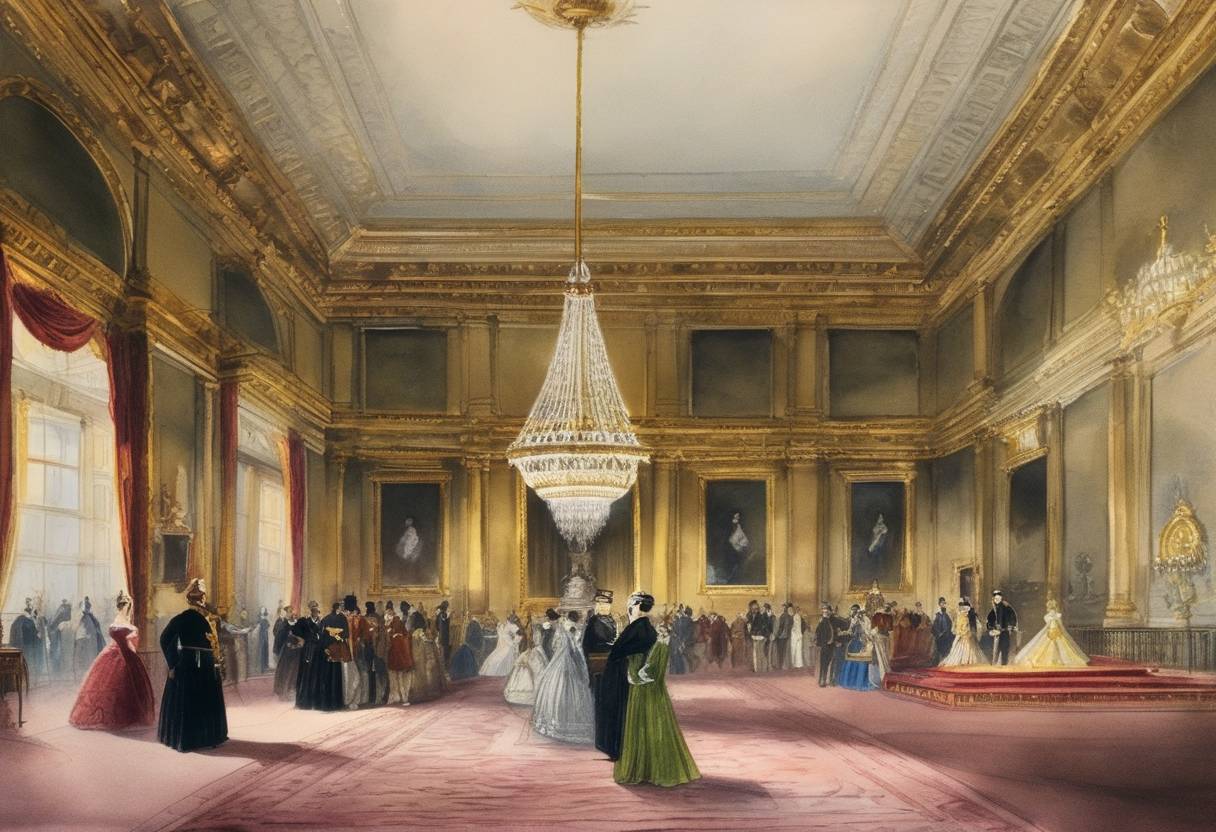
On July 13, 1837, Queen Victoria moved into Buckingham Palace, establishing it as the official residence of the British monarch for the first time in history. This event marked a significant moment in British royal history and the evolution of the palace itself.
Buckingham Palace was originally a large townhouse built for the Duke of Buckingham in 1703. Acquired by King George III in 1761 as a private residence for Queen Charlotte, it became known as the “Queen’s House.” Over the years, King George IV began transforming it into a royal palace, with significant alterations and expansions carried out under the architect John Nash.
Despite the extensive remodeling, the palace remained largely unused by British monarchs as a primary residence. King William IV considered moving there, but the renovations were incomplete by his reign.
Queen Victoria ascended to the British throne on June 20, 1837, following the death of her uncle, King William IV. At the young age of 18, Victoria began her reign with a series of decisions that would shape the future of the monarchy, including where she would reside.
The decision for Queen Victoria to occupy Buckingham Palace had considerable implications:
Modernization of Monarchy: By moving into Buckingham Palace, Victoria set a new precedent for the future British monarchs, underscoring the modernization of the institution.
Architectural Developments: Her residency prompted further refurbishment and improvements to the palace, ensuring it was equipped to serve as the seat of the royal court and a hub for state occasions.
Cultural Impact: As Victoria took residence, Buckingham Palace gradually became synonymous with the British monarchy, contributing to its status as an iconic symbol of the United Kingdom.
Queen Victoria’s residency in Buckingham Palace established a tradition that continues to this day. The palace remains the official London residence of the British sovereign and has been the backdrop for numerous historical events, including state functions and royal family moments. It has become a central part of British cultural heritage and remains a focal point for national celebrations and public gatherings.
Queen Victoria’s move to Buckingham Palace was more than a change of residence; it heralded a new era for the royal family and set the foundation for the palace’s role in British public life.
Source: www.historic-uk.com