Taliban Announces Acting Government in Afghanistan on September 9, 2021
2021 · Kabul, Afghanistan
The Taliban announced an acting government in Afghanistan including several members from the previous Taliban regime of the 1990s.
September 2, 2021
The Taliban announced the formation of a caretaker government with Mohammad Hasan Akhund as the acting Prime Minister, following their takeover of Afghanistan in August 2021.
Kabul, Afghanistan | Taliban
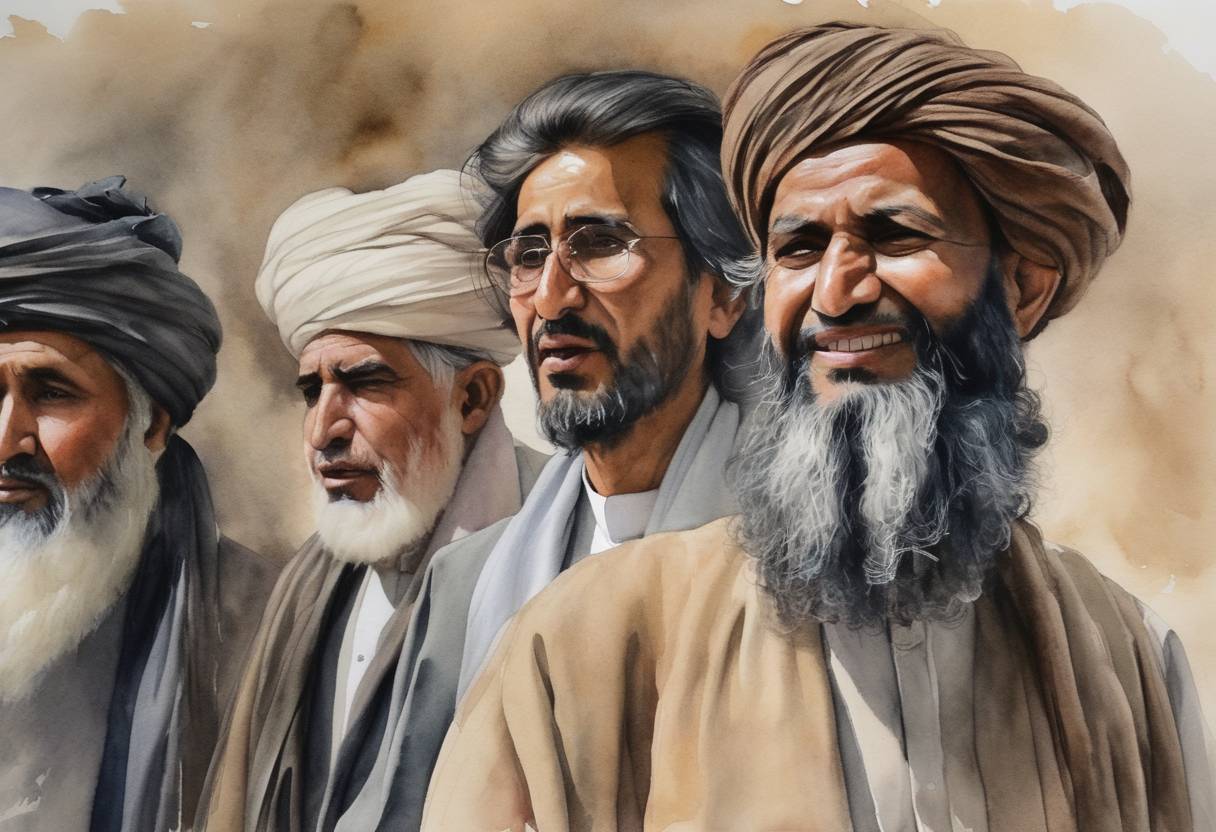
On September 7, 2021, the Taliban announced the formation of a caretaker government, marking a critical juncture in Afghanistan’s history following the group’s swift takeover of the country in August 2021. Mohammad Hasan Akhund was named the acting Prime Minister. This move was made about three weeks after the fall of Kabul, the capital, which capitulated swiftly as the United States and coalition forces began their final withdrawal from Afghanistan.
The Taliban’s resurgence in 2021 followed a strategic military campaign that gained momentum after the U.S. government announced plans to withdraw its troops by August 31, 2021. This situation mirrored the Taliban’s earlier rule from 1996 to 2001, which ended with the U.S.-led invasion post-September 11 attacks. The power vacuum left by departing foreign forces led to rapid advances by the Taliban across Afghanistan, culminating in their control over the governmental structure.
Mohammad Hasan Akhund: Appointed as the acting Prime Minister, Akhund is a senior Taliban figure who previously held leadership roles during the Taliban’s first regime in the 1990s and early 2000s. His selection underscored the Taliban’s preference for experienced leadership familiar with their ideological and governance model.
Key Appointments: Other significant figures in the interim government included Abdul Ghani Baradar as deputy leader and Sirajuddin Haqqani, a wanted figure by the FBI, as acting minister of interior. Mullah Yaqoob, son of Taliban founder Mullah Omar, was appointed as the acting defense minister, reflecting a mix of military and political prowess within the Taliban’s ranks.
The establishment of the caretaker government was met with varied international responses. Many countries were cautious, withholding formal recognition while calling for an inclusive government respecting human rights, particularly women’s rights. The announcement did little to ease international concerns over the Taliban’s prior governance record characterized by strict Sharia law interpretations and human rights abuses.
As international observers watched closely, the appointment of the caretaker government represented both a challenge and an opportunity for the Taliban to establish legitimacy on both domestic and international fronts. The interim setup was tasked with addressing pressing issues such as economic stability, international relations, and humanitarian needs amid Afghanistan’s ongoing crises.
Source: www.bbc.com