Frederick I Barbarossa: The Drowning in the Saleph River
1190 · Göksu River, Turkey
Frederick I Barbarossa, Holy Roman Emperor, drowned in the Saleph River (now Göksu River) in present-day Turkey during the Third Crusade.
April 24, 1184
According to legend, the Greeks entered Troy using the Trojan Horse, leading to the fall of the city.
Troy, Turkey | Greek Army
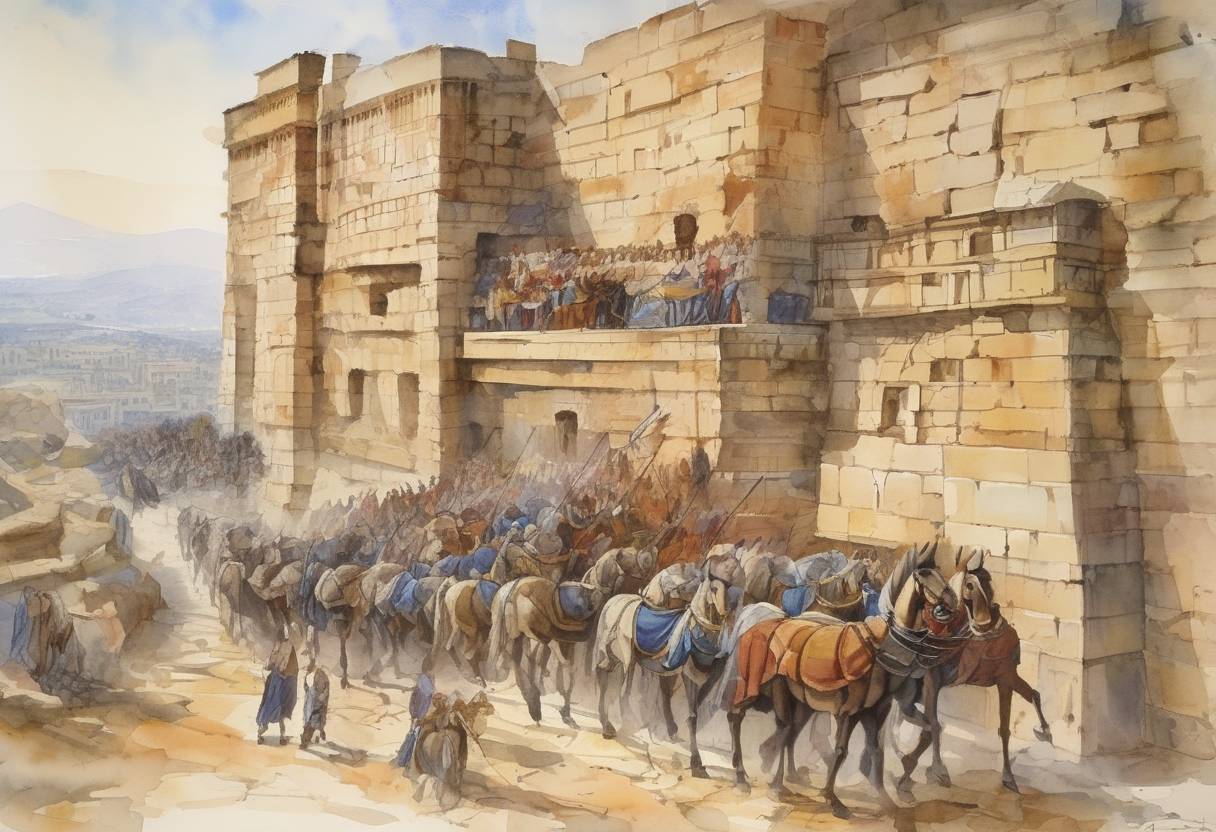
According to ancient legend, the Greeks entered the city of Troy using the ingenious stratagem of the Trojan Horse, leading to the city’s downfall. This event is traditionally dated to April 24, 1184 BCE, although it is important to note that this date is based on mythological accounts rather than historical evidence.
The Trojan War, a central event in Greek mythology, is said to have been sparked by the abduction of Helen, the wife of the Spartan king Menelaus, by Paris, a prince of Troy. This act led to a coalition of Greek states, led by King Agamemnon, launching a military expedition against Troy to retrieve Helen and restore honor.
The war, as described in epic poems like Homer’s Iliad, lasted for ten years, with neither side able to secure a decisive victory. The Greeks, desperate to end the protracted conflict, devised a cunning plan to infiltrate the city.
The concept of the Trojan Horse is attributed to Odysseus, the wily king of Ithaca. The Greeks constructed a massive wooden horse, hollowed out to conceal a select group of soldiers inside. The rest of the Greek forces pretended to abandon the siege, leaving the horse as a supposed offering to the gods for a safe journey home.
The Trojans, believing they had won the war, brought the horse into the city as a trophy. That night, while the Trojans celebrated their apparent victory, the Greek soldiers emerged from the horse, opened the city gates, and allowed the Greek army, which had secretly returned under the cover of darkness, to enter Troy.
The Greeks swiftly overpowered the unsuspecting Trojans, leading to the city’s destruction. The fall of Troy marked the end of the Trojan War, with the city being sacked and burned. This legendary event has been immortalized in various works of literature and art, symbolizing cunning and deception.
While the story of the Trojan Horse is a mythological account, it has had a lasting impact on Western culture and literature. The term “Trojan Horse” has become synonymous with subterfuge and has influenced countless narratives about warfare and strategy.
The historical existence of the Trojan War itself remains a topic of debate among historians and archaeologists. Excavations at the site of ancient Troy, located in modern-day Turkey, have revealed evidence of a city that experienced destruction, but whether this correlates directly with the legendary war is uncertain.
In conclusion, the tale of the Trojan Horse and the fall of Troy, while rooted in myth, continues to captivate the imagination and serves as a powerful allegory for the complexities of human conflict and ingenuity.
Source: en.wikipedia.org