Ellen Church: The First Female Flight Attendant
1930 · San Francisco, United States
Ellen Church became the first female flight attendant, working for Boeing Air Transport.
January 18, 1911
Eugene B. Ely landed on the deck of the USS Pennsylvania stationed in San Francisco Bay, marking the first time an aircraft landed on a ship.
San Francisco, United States | United States Navy
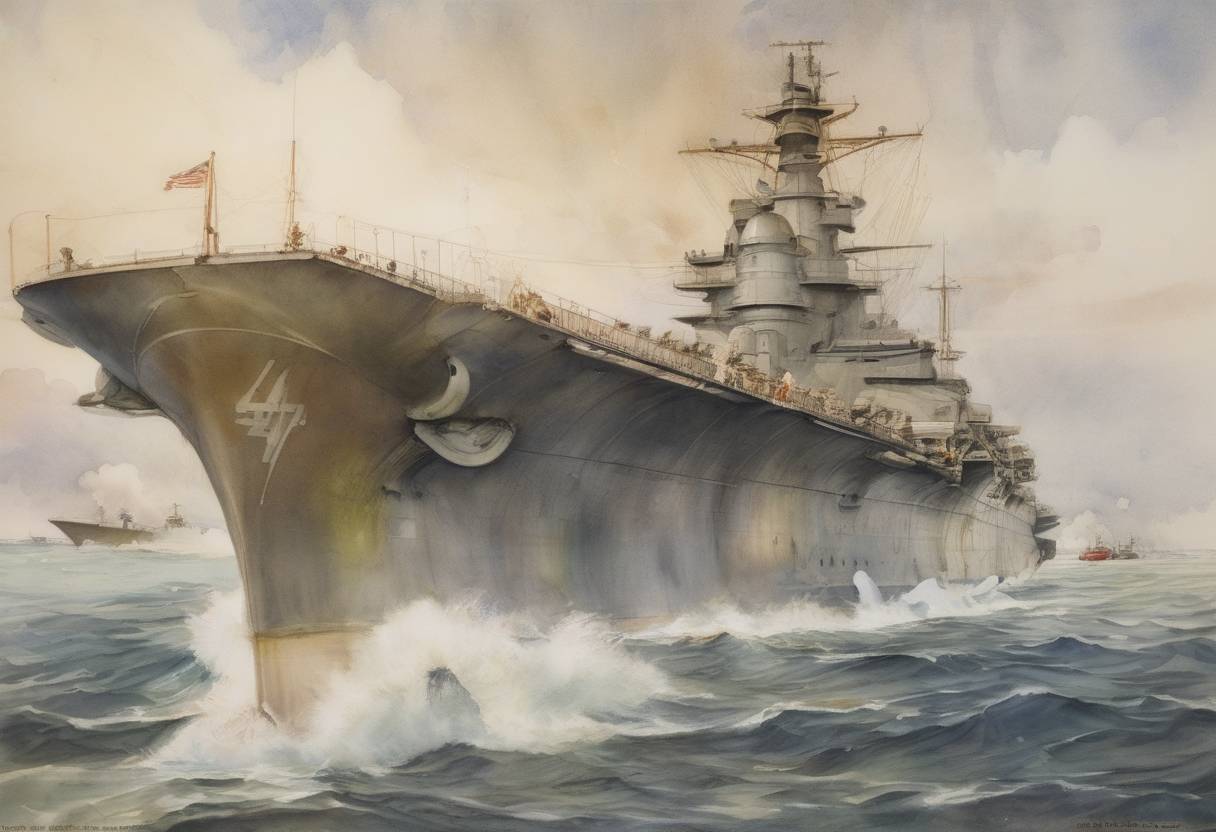
On January 18, 1911, aviation pioneer Eugene B. Ely achieved a groundbreaking feat by successfully landing an aircraft on the deck of a ship, the USS Pennsylvania, stationed in San Francisco Bay. This event marked a significant milestone in naval aviation history and demonstrated the potential for integrating aircraft operations with naval vessels.
Eugene B. Ely was an early aviation enthusiast and pilot, known for his daring and innovative spirit. Prior to this event, Ely had already made history by performing the first takeoff from a ship on November 14, 1910, when he flew from the deck of the USS Birmingham in Hampton Roads, Virginia. These early experiments were crucial in demonstrating the feasibility of ship-based aviation operations.
Ely’s aircraft was fitted with a primitive tailhook system, a concept devised to help the plane decelerate upon landing. The USS Pennsylvania’s deck was equipped with ropes and sandbags to act as arresting gear, a precursor to modern aircraft carrier arresting systems.
Ely took off from the Tanforan Racetrack in San Bruno, California, and flew approximately 10 miles to the USS Pennsylvania. As he approached the ship, Ely skillfully aligned his aircraft with the makeshift flight deck. Upon touchdown, the tailhook engaged the ropes, successfully bringing the plane to a stop.
Ely’s successful landing demonstrated the practicality of aircraft carrier operations, laying the groundwork for future developments in naval aviation. This event underscored the strategic advantage of deploying aircraft from ships, which would later become a cornerstone of naval warfare.
Despite the success of his demonstration, Eugene B. Ely’s life was tragically cut short later that year when he died in an aviation accident on October 19, 1911. However, his contributions to aviation and naval history remain significant. The concept of aircraft carriers evolved rapidly, and by World War II, they had become pivotal assets in naval strategy.
Ely’s pioneering spirit and his historic landing on the USS Pennsylvania are remembered as key moments in the evolution of military aviation, highlighting the innovative steps taken in the early 20th century to expand the capabilities of naval forces.
Source: en.wikipedia.org