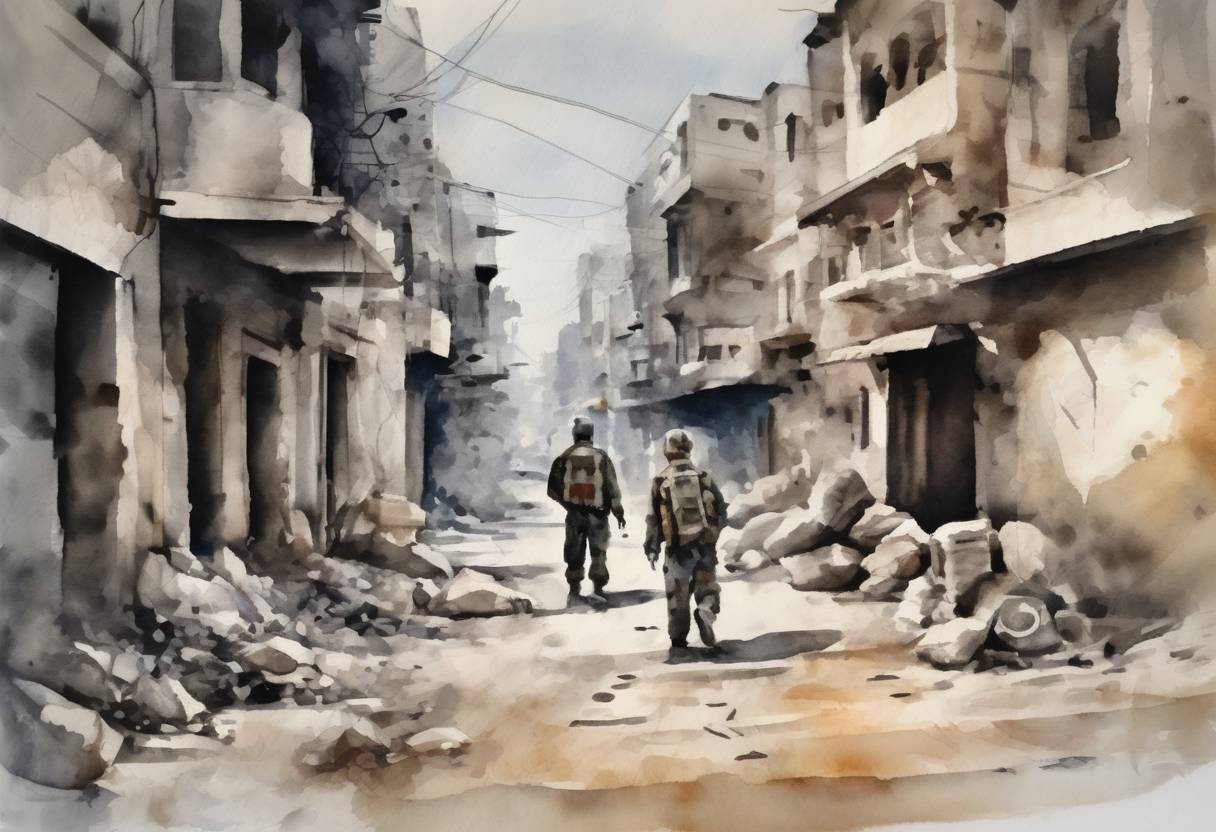
Chemical Weapons Attack in Ghouta - August 21, 2013
On August 21, 2013, reports emerged of a devastating chemical weapons attack in the Ghouta region, near Damascus, Syria. This incident marked a significant escalation in the Syrian Civil War, drawing widespread international condemnation and sparking discussions about potential military intervention.
Context
The Syrian Civil War, which began in 2011, had already claimed thousands of lives and displaced millions. The conflict saw the Syrian government, led by President Bashar al-Assad, fighting against various opposition groups. The use of chemical weapons had been a contentious issue, with previous allegations of their use by the Assad regime.
The Attack
- Date and Location: The attack occurred in the early hours of August 21, 2013, in the Ghouta region, which includes the suburbs of Eastern and Western Ghouta, near Damascus.
- Chemical Agent: Reports indicated the use of sarin gas, a potent nerve agent.
- Casualties: Estimates of the death toll varied, but it is believed that hundreds of civilians, including many children, were killed. Thousands more suffered injuries consistent with chemical exposure.
International Reaction
- Condemnation: The attack was met with immediate and widespread condemnation from the international community. The United Nations, along with countries such as the United States, France, and the United Kingdom, expressed outrage and called for accountability.
- UN Investigation: The United Nations dispatched a team of chemical weapons inspectors to Syria to investigate the allegations. Their report, released in September 2013, confirmed the use of sarin gas but did not assign blame.
Discussions of Military Intervention
- United States: President Barack Obama had previously stated that the use of chemical weapons would cross a “red line,” prompting a strong response. Following the attack, the U.S. considered military strikes against Syrian government targets.
- Diplomatic Efforts: Intense diplomatic negotiations ensued, particularly between the U.S. and Russia. These efforts led to an agreement to dismantle Syria’s chemical weapons arsenal, averting immediate military action.
Aftermath and Significance
- Chemical Weapons Disarmament: The agreement brokered in September 2013 resulted in Syria joining the Chemical Weapons Convention and the subsequent destruction of its declared chemical weapons stockpile.
- Continued Conflict: Despite the disarmament agreement, the Syrian Civil War continued, with further allegations of chemical weapons use in subsequent years.
- Historical Impact: The Ghouta attack highlighted the complexities of international intervention in civil conflicts and underscored the challenges of enforcing international norms against the use of chemical weapons.
The Ghouta chemical attack remains one of the most significant and controversial events of the Syrian Civil War, illustrating the devastating impact of chemical warfare and the difficulties in achieving international consensus on intervention strategies.