End of the Gulf War: Ceasefire Declared by President George H. W. Bush
1991 · Washington, D.C., United States
The Gulf War officially ends as the President of the United States, George H. W. Bush, declares a ceasefire.
August 7, 1990
Operation Desert Shield was launched by the United States to protect Saudi Arabia following Iraq's invasion of Kuwait, leading to the Gulf War.
Riyadh, Saudi Arabia | United States Armed Forces
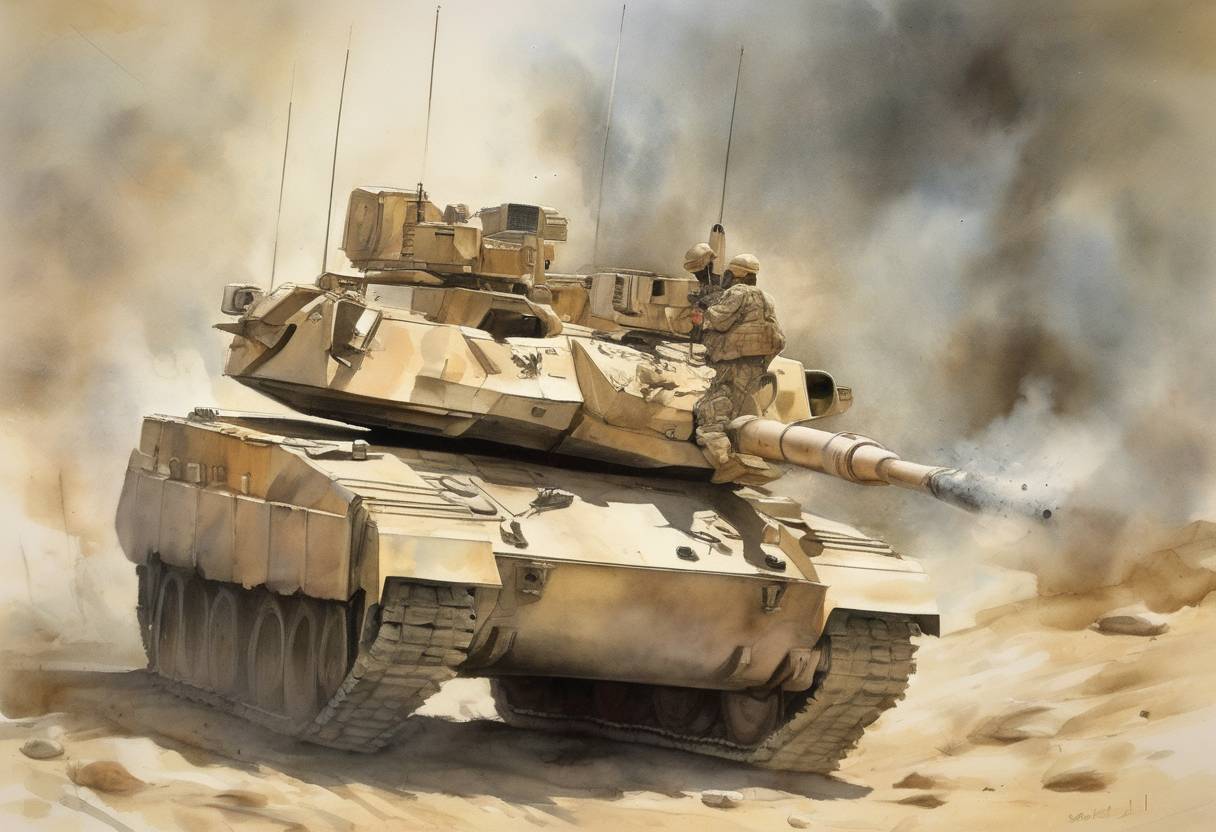
On August 7, 1990, the United States launched Operation Desert Shield, a pivotal military operation aimed at protecting Saudi Arabia in the wake of Iraq’s invasion of Kuwait. This operation marked the beginning of a significant international military response that would eventually lead to the Gulf War.
Iraq’s Invasion of Kuwait: On August 2, 1990, Iraqi forces, under the leadership of President Saddam Hussein, invaded Kuwait. The invasion was driven by several factors, including disputes over oil production and economic grievances. Iraq accused Kuwait of overproducing oil and driving down prices, which negatively impacted Iraq’s economy.
International Reaction: The invasion was met with widespread international condemnation. The United Nations Security Council quickly passed Resolution 660, demanding Iraq’s immediate withdrawal from Kuwait. However, diplomatic efforts to resolve the crisis peacefully were unsuccessful.
Objective: The primary objective of Operation Desert Shield was to deter further Iraqi aggression and to protect Saudi Arabia, a key ally and major oil producer, from potential invasion. The operation aimed to build a defensive military presence in the region.
Deployment: The United States, under President George H. W. Bush, rapidly deployed troops to Saudi Arabia. This deployment included ground forces, air units, and naval assets. The operation saw the largest American military buildup since the Vietnam War.
Coalition Building: The U.S. worked to build a broad coalition of nations to support the operation. This coalition eventually included forces from over 30 countries, including the United Kingdom, France, Egypt, and Saudi Arabia itself.
Strategic Importance: Operation Desert Shield was crucial in preventing further Iraqi advances and stabilizing the region. It demonstrated the U.S. commitment to protecting its allies and maintaining stability in the Middle East.
Prelude to the Gulf War: The operation set the stage for Operation Desert Storm, the combat phase of the Gulf War, which began in January 1991. Desert Shield’s success in assembling a multinational coalition was instrumental in the swift and decisive military action that followed.
Long-term Impact: The Gulf War had lasting implications for U.S. foreign policy and military strategy in the Middle East. It reinforced the importance of coalition warfare and highlighted the strategic significance of the Persian Gulf region.
Operation Desert Shield was a critical response to a volatile situation, showcasing international cooperation and military readiness. It played a key role in shaping the geopolitical landscape of the early 1990s and beyond.
Source: en.wikipedia.org