The Beatles' Arrival in the United States: February 7, 1964
1964 · New York City, United States
The Beatles arrived in the United States for the first time, marking the beginning of the British Invasion in music.
March 9, 1959
The Barbie doll made its debut at the American International Toy Fair in New York City, marking the beginning of a cultural phenomenon.
New York City, United States | Mattel
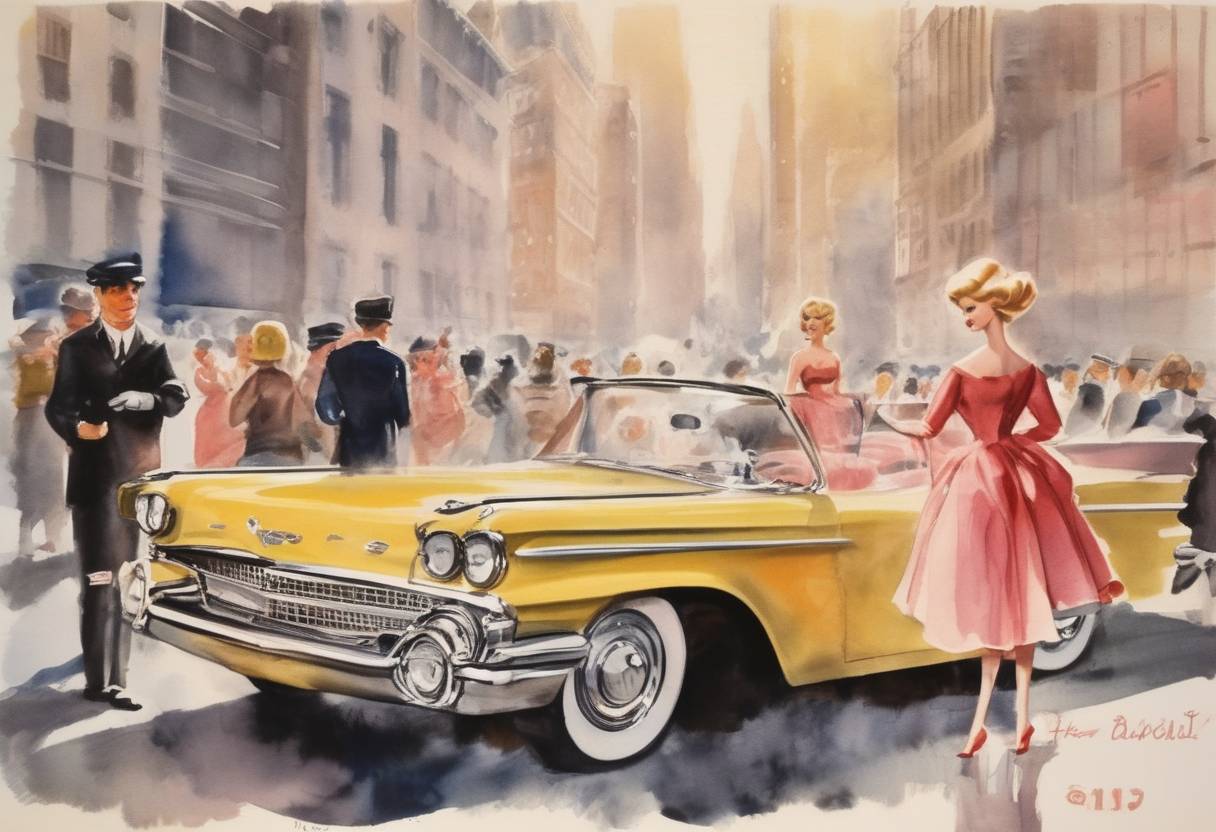
On March 9, 1959, the Barbie doll made its debut at the American International Toy Fair in New York City, marking the beginning of a cultural phenomenon that would have a lasting impact on the toy industry and popular culture.
The Barbie doll was created by Ruth Handler, co-founder of the toy company Mattel, Inc. Handler was inspired to create a three-dimensional adult-like doll after observing her daughter, Barbara, play with paper dolls. She noticed that her daughter enjoyed giving the dolls adult roles, which sparked the idea for a more sophisticated doll that could serve as a role model for young girls.
Handler named the doll “Barbie” after her daughter. The concept was revolutionary at the time, as most dolls available were baby dolls, designed to encourage nurturing play. Barbie, on the other hand, was intended to inspire imagination and ambition, allowing girls to envision themselves in various adult roles.
Barbie was introduced to the public at the American International Toy Fair in New York City. The original Barbie was dressed in a black-and-white striped swimsuit, with her signature ponytail hairstyle. She was available as either a blonde or brunette and was marketed as a “Teen-age Fashion Model.”
Barbie quickly became a cultural icon, representing a shift in the way toys were marketed and perceived. The doll’s introduction coincided with a period of significant social change, including the rise of consumer culture and the evolving roles of women in society. Barbie was seen as a symbol of independence and empowerment, offering girls a glimpse into a world of possibilities.
Over the years, Barbie has undergone numerous transformations, reflecting changing societal norms and values. She has been portrayed in a wide range of careers, from astronaut to president, and has been produced in various ethnicities and body types to promote diversity and inclusivity.
Barbie’s influence extends beyond the toy industry, impacting fashion, media, and popular culture. The brand has expanded to include movies, television shows, and a vast array of merchandise.
The debut of the Barbie doll on March 9, 1959, was a pivotal moment in toy history. It not only revolutionized the toy industry but also played a significant role in shaping cultural perceptions of femininity and ambition. Barbie remains a beloved and sometimes controversial figure, continuing to inspire and challenge societal norms over six decades later.
Source: www.history.com