Luna 2: The First Human-Made Object to Reach the Moon
1959 · Moscow, Soviet Union
The Soviet probe Luna 2 becomes the first human-made object to reach the Moon, impacting the lunar surface.
February 3, 1966
The Soviet Union's Luna 9 became the first spacecraft to achieve a soft landing on the Moon and transmit photographic data to Earth.
Moscow, Soviet Union | Soviet Space Program
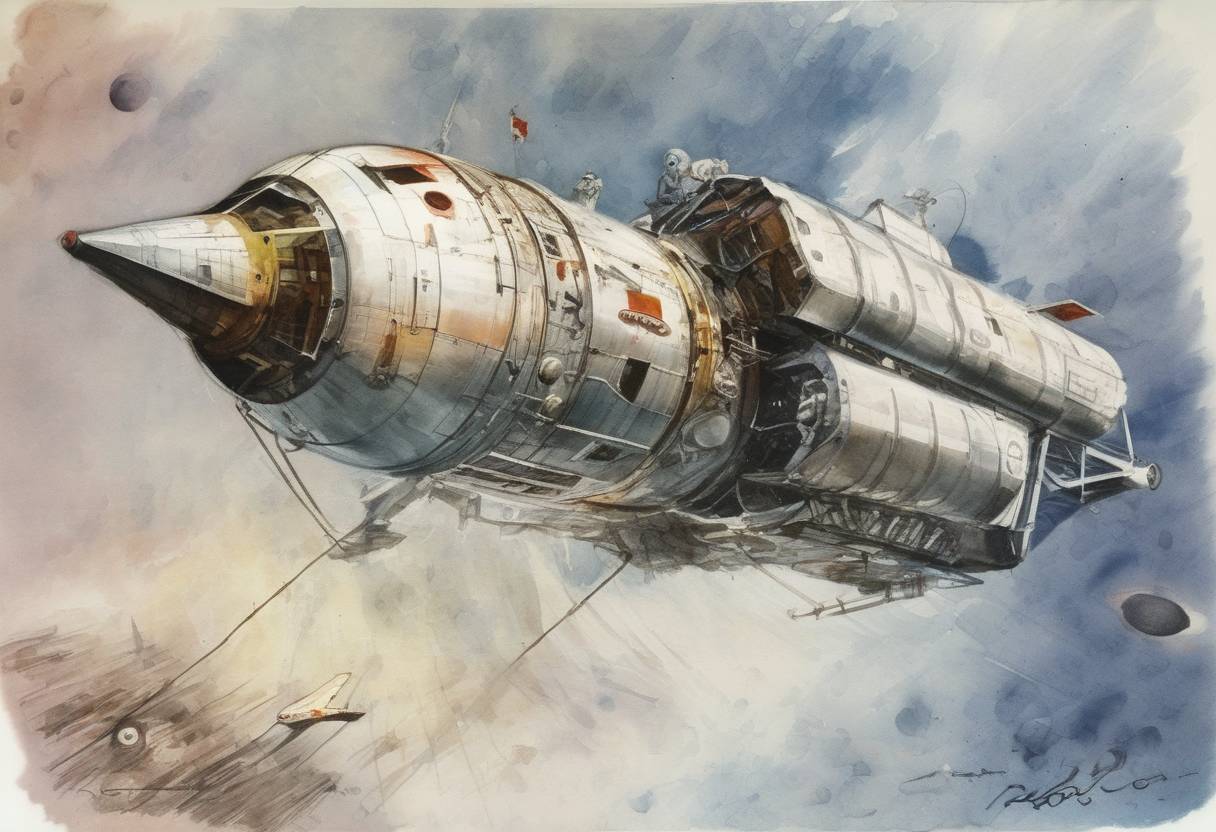
On February 3, 1966, the Soviet Union’s Luna 9 mission marked a significant milestone in space exploration by becoming the first spacecraft to achieve a soft landing on the Moon and transmit photographic data back to Earth. This achievement was a pivotal moment in the space race, demonstrating the Soviet Union’s advanced capabilities in space technology.
The Luna program was a series of robotic spacecraft missions launched by the Soviet Union with the goal of exploring the Moon. Prior to Luna 9, several attempts had been made to land on the lunar surface, but these had ended in failure. The successful landing of Luna 9 was a testament to the improvements in engineering and technology made by Soviet scientists and engineers.
The success of Luna 9 was a major victory for the Soviet space program and a critical moment in the ongoing space race between the United States and the Soviet Union. It demonstrated the feasibility of landing on the Moon and paved the way for future manned missions. The data collected by Luna 9 contributed to a better understanding of the Moon’s surface and informed subsequent missions, including the American Apollo program.
In summary, Luna 9’s successful mission was a landmark achievement in space exploration, showcasing the Soviet Union’s technological prowess and advancing humanity’s quest to explore beyond Earth.
Source: nssdc.gsfc.nasa.gov