Moscow Metro Bombings - March 29, 2010
2010 · Moscow, Russia
Two female suicide bombers attack the Moscow Metro during the morning rush hour, killing 40 people and injuring over 100 others.
February 6, 2004
A suicide bombing on a Moscow metro train killed at least 41 people and injured over 100 others. The attack was attributed to Chechen rebels.
Moscow, Russia | Chechen rebels
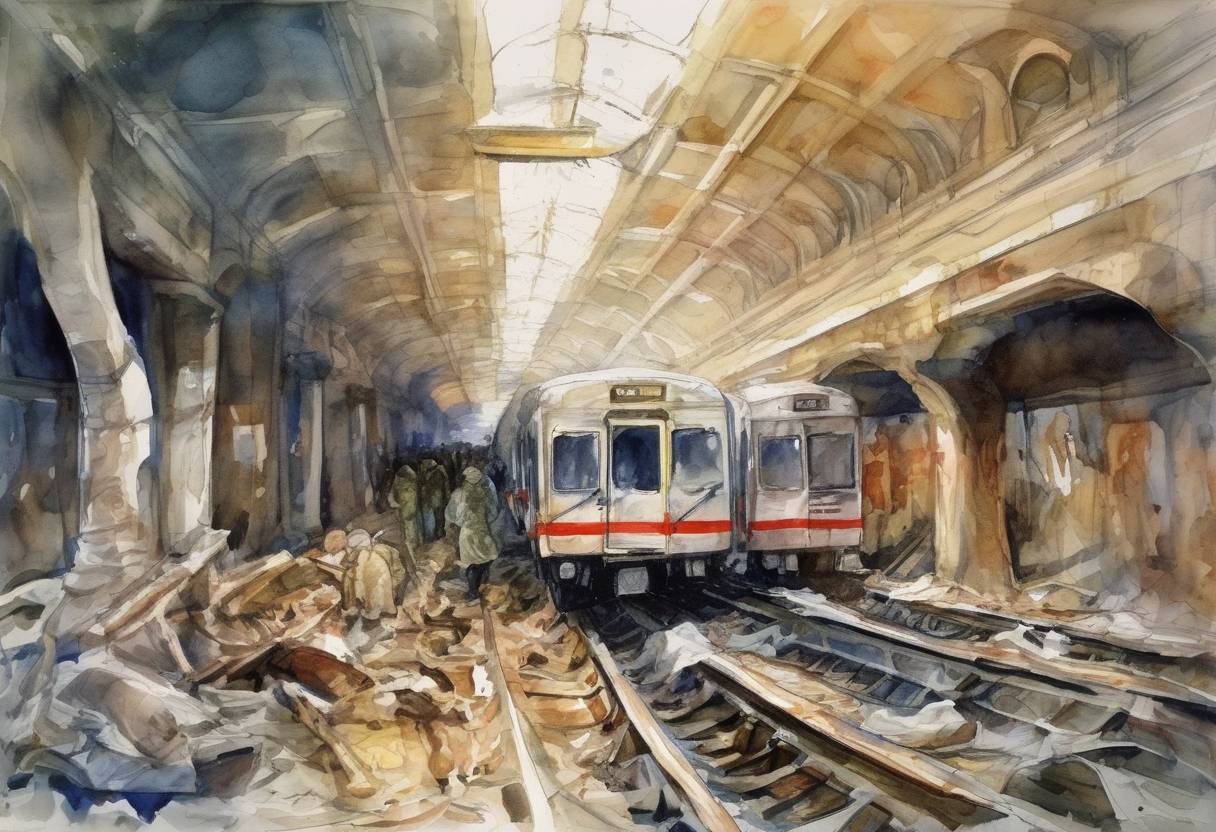
On February 6, 2004, a devastating suicide bombing occurred on a Moscow metro train, resulting in the deaths of at least 41 people and injuring over 100 others. This tragic event took place during the morning rush hour, targeting a crowded train on the Zamoskvoretskaya Line, one of the busiest lines in the Moscow Metro system.
The attack was attributed to Chechen rebels, part of a broader conflict between Russian federal forces and separatist groups in Chechnya. This conflict had been ongoing since the early 1990s, following the dissolution of the Soviet Union. Chechnya, a republic in the North Caucasus, sought independence from Russia, leading to two major wars and a series of insurgencies.
The early 2000s saw a rise in terrorist attacks attributed to Chechen militants, who aimed to pressure the Russian government by targeting civilians in major cities, including Moscow. This bombing was part of a series of attacks that underscored the volatility and violence of the Chechen conflict.
The explosion caused significant damage to the train and the tunnel, complicating rescue efforts. Emergency services responded swiftly, but the chaos and destruction made it challenging to provide immediate aid to all victims.
In the wake of the attack, Russian authorities intensified their efforts to combat terrorism, particularly focusing on the North Caucasus region. The government implemented stricter security measures in public transportation systems across the country to prevent future attacks.
The bombing also had significant political ramifications. It reinforced the Russian government’s resolve to maintain control over Chechnya and justified further military actions in the region. Additionally, it highlighted the ongoing security challenges faced by Russia due to the Chechen insurgency.
The February 6, 2004, Moscow metro bombing was a stark reminder of the persistent threat of terrorism in Russia during this period. It underscored the complexities of the Chechen conflict and its impact on Russian society. The attack also contributed to shaping Russia’s domestic and foreign policies concerning counter-terrorism and regional stability.
This tragic event remains a poignant example of the human cost of political and ethnic conflicts, emphasizing the need for comprehensive solutions to address the root causes of such violence.
Source: www.bbc.com