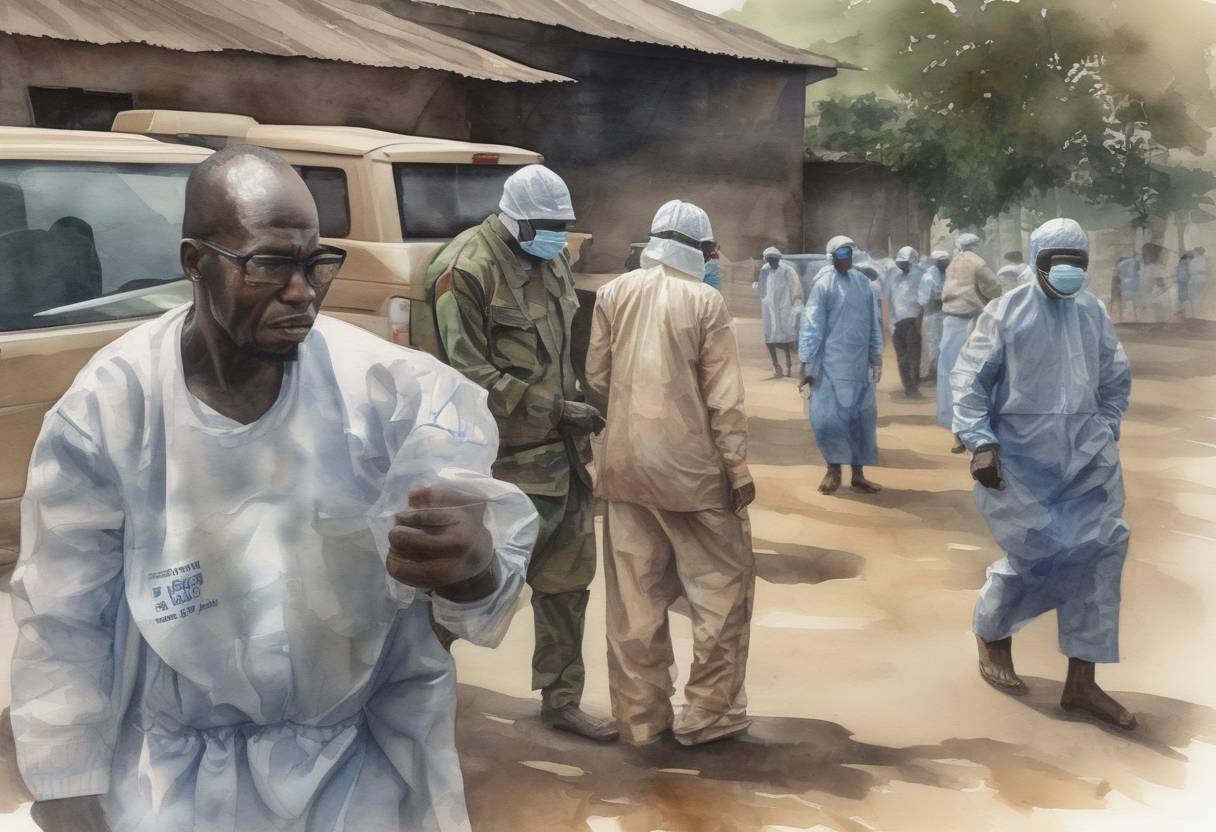
End of the Ebola Outbreak in the Democratic Republic of the Congo - July 13, 2018
On July 13, 2018, the World Health Organization (WHO) officially declared the end of the Ebola outbreak in the Democratic Republic of the Congo (DRC). This announcement marked the conclusion of a challenging public health crisis that had begun earlier that year.
Background
The outbreak was first reported on May 8, 2018, in the Équateur Province of the DRC. It was the ninth Ebola outbreak in the country since the virus was first discovered near the Ebola River in 1976. The 2018 outbreak posed significant challenges due to its occurrence in a remote area with limited infrastructure, which complicated response efforts.
Key Events Leading to the Declaration
Rapid Response: The DRC government, in collaboration with the WHO and other international partners, quickly mobilized resources to contain the outbreak. This included deploying medical teams, setting up treatment centers, and implementing vaccination campaigns.
Vaccination Efforts: A critical component of the response was the use of an experimental Ebola vaccine, rVSV-ZEBOV, which was administered to over 3,300 people, including frontline workers and contacts of confirmed cases. This strategy, known as “ring vaccination,” was instrumental in curbing the spread of the virus.
Community Engagement: Efforts were made to engage local communities in prevention and control measures, which included education on safe burial practices and hygiene measures to prevent transmission.
International Support: The response was bolstered by international support, including funding and logistical assistance from various global health organizations and governments.
Outcome and Aftermath
Containment: The outbreak was effectively contained with a total of 54 cases reported, including 33 deaths. The swift and coordinated response was credited with preventing a much larger epidemic.
Lessons Learned: The successful containment of the outbreak highlighted the importance of rapid response, effective use of vaccines, and international cooperation in managing infectious disease outbreaks.
Continued Vigilance: Despite the end of the outbreak, the WHO and the DRC government emphasized the need for continued vigilance and strengthening of health systems to prevent future outbreaks.
Broader Historical Significance
The 2018 Ebola outbreak in the DRC underscored the critical role of global health organizations and the importance of preparedness in responding to infectious disease threats. It also demonstrated the potential of new medical interventions, such as vaccines, in controlling outbreaks. The experience gained from this outbreak contributed to improved strategies and responses in subsequent health crises, including the COVID-19 pandemic.
The declaration of the end of the outbreak was a significant milestone for the DRC and the global health community, reflecting the progress made in combating one of the world’s most deadly viruses.