Vladimir Putin's Third Term as President of Russia
2012 · Moscow, Russia
Vladimir Putin won the Russian presidential election, securing his third term as President of Russia.
March 26, 2000
Vladimir Putin was elected President of Russia, succeeding Boris Yeltsin.
Moscow, Russia | Russian Government
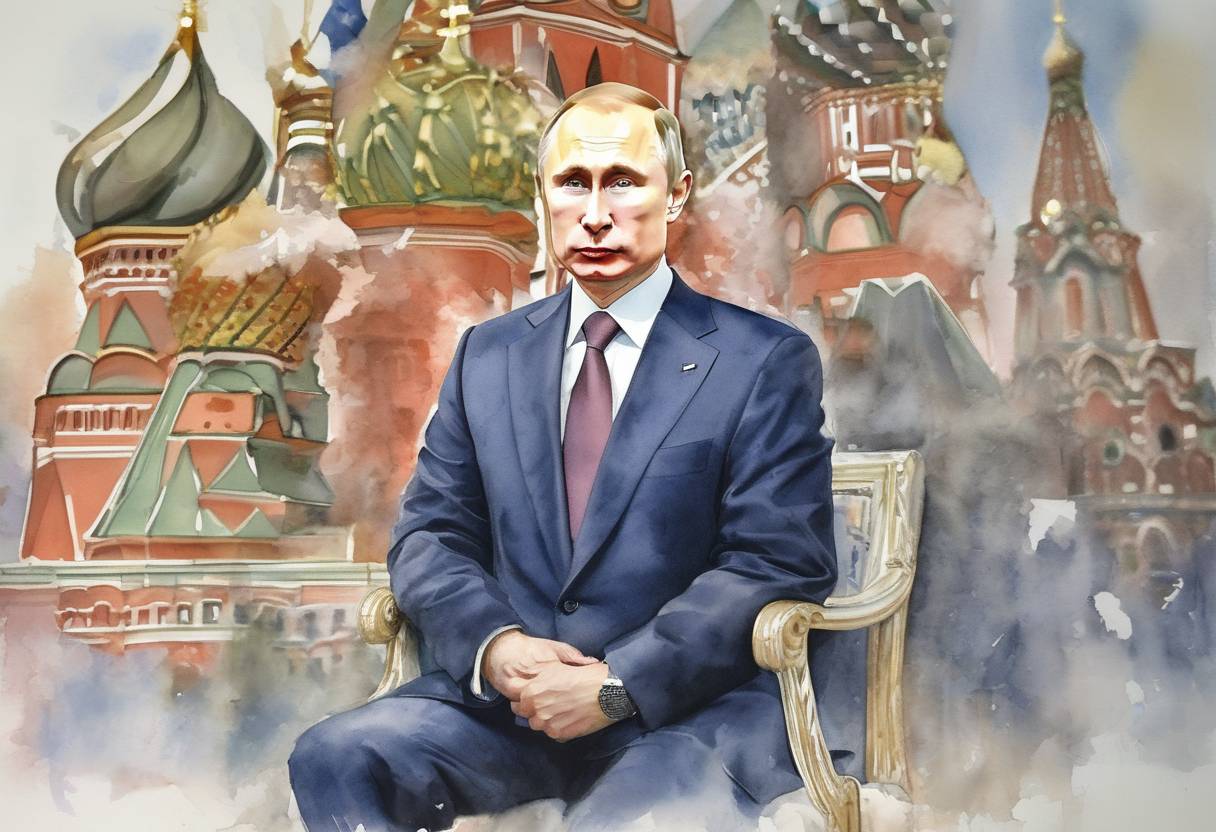
On March 26, 2000, Vladimir Putin was elected President of Russia, marking a significant moment in the country’s post-Soviet history. This election followed the unexpected resignation of Boris Yeltsin, the first President of the Russian Federation, who stepped down on December 31, 1999.
Boris Yeltsin’s Resignation: Yeltsin’s presidency was marked by significant political and economic turmoil, including the 1998 Russian financial crisis. His resignation was a surprise to many, and he appointed Vladimir Putin, then Prime Minister, as acting president.
Putin’s Rise: Prior to becoming acting president, Putin had served in various governmental roles, including as the head of the Federal Security Service (FSB) and Secretary of the Security Council. His rapid ascent in Russian politics was facilitated by his reputation as a decisive and pragmatic leader.
Chechen Conflict: Putin’s popularity was bolstered by his handling of the Second Chechen War, which began in 1999. His strong stance on national security and territorial integrity resonated with many Russians.
Campaign: Putin ran as an independent candidate, though he was supported by the Unity party. His campaign focused on restoring stability, economic growth, and strengthening Russia’s global standing.
Results: Putin won the election with approximately 53% of the vote, securing a clear victory in the first round. His main competitors were Gennady Zyuganov of the Communist Party and Grigory Yavlinsky of the liberal Yabloko party.
Consolidation of Power: Putin’s election marked the beginning of a new era in Russian politics. He quickly moved to consolidate power, implementing reforms that increased the central government’s control over regional authorities and the economy.
Economic and Political Changes: Under Putin’s leadership, Russia experienced economic growth driven by rising oil prices and market reforms. However, his tenure has also been characterized by increasing authoritarianism, with significant restrictions on political opposition and media freedom.
Legacy: Putin’s presidency has had a profound impact on Russia’s domestic and international policies. His leadership style and policies have shaped Russia’s trajectory in the 21st century, influencing its role on the global stage and its internal political dynamics.
Vladimir Putin’s election in 2000 set the stage for his long-standing influence over Russian politics, which continues to be a defining feature of the country’s modern history.
Source: www.britannica.com