July 28, 1976

The Tangshan earthquake, one of the deadliest in recorded history, struck Tangshan, China, resulting in the deaths of hundreds of thousands of people.


Tangshan, China | Chinese Government
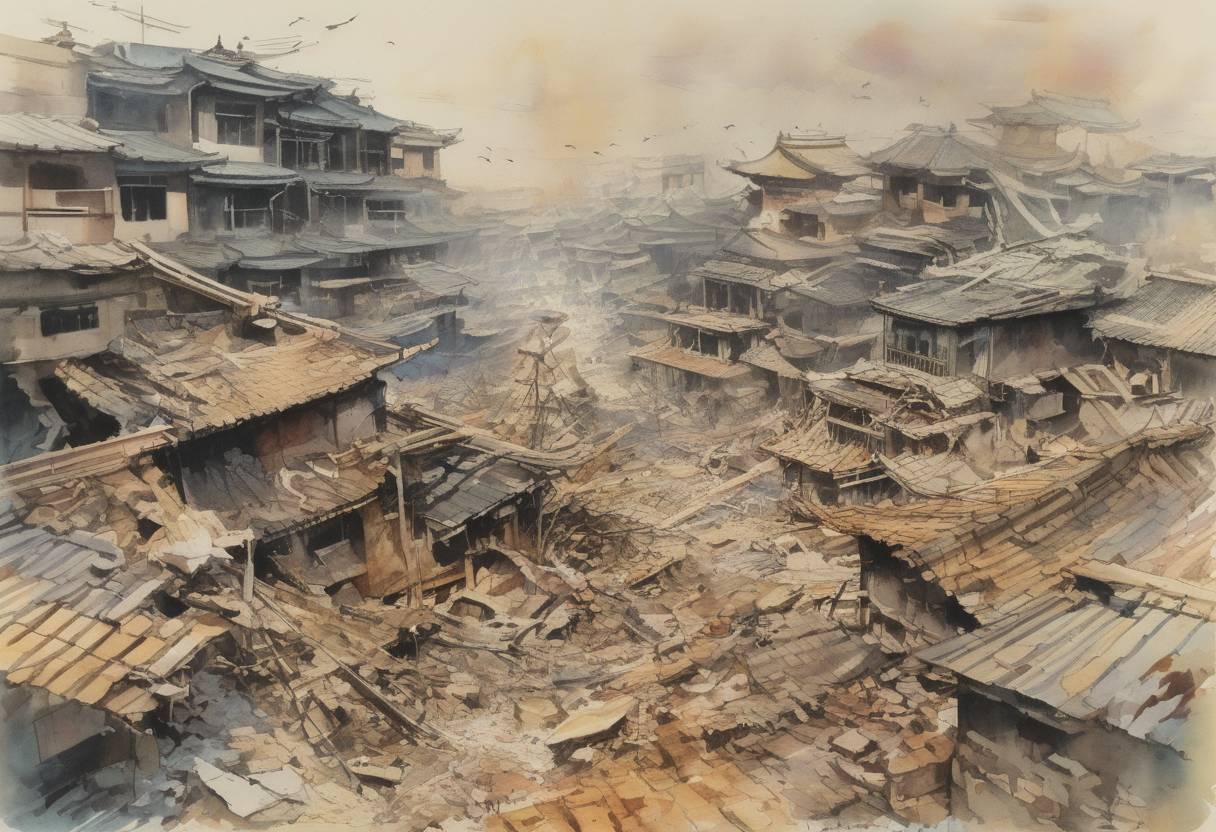
Watercolor painting based depiction of The Tangshan earthquake, one of the deadliest in recorded history, struck Tangshan, China, resulting in the deaths of hundreds of thousands of people. (1976)

The Tangshan Earthquake: July 28, 1976

The Tangshan earthquake, which struck on July 28, 1976, is remembered as one of the deadliest earthquakes in recorded history. It occurred in the early hours of the morning at 3:42 AM local time, devastating the industrial city of Tangshan in northeastern China.

Context and Background

Tangshan, located in Hebei Province, was a rapidly growing industrial hub with a population of over one million people at the time. The region was not widely recognized for seismic activity, which contributed to the lack of preparedness for such a catastrophic event.

The Earthquake

  • Magnitude: The earthquake registered a magnitude of 7.5 on the Richter scale. Some reports suggest it might have been as high as 7.8.
  • Duration: The main shock lasted approximately 15 seconds, but it was powerful enough to cause widespread destruction.
  • Epicenter: The epicenter was located near the city of Tangshan, which bore the brunt of the damage.

Impact

  • Casualties: Official Chinese government reports initially stated that 242,769 people were killed, though some estimates suggest the death toll could have been higher, possibly exceeding 300,000. Additionally, hundreds of thousands were injured.
  • Destruction: The earthquake obliterated much of Tangshan, with over 85% of buildings destroyed or severely damaged. Infrastructure, including roads, railways, and communication lines, was heavily impacted.
  • Aftershocks: The region experienced numerous aftershocks, including a significant one on the afternoon of the same day, which further hampered rescue efforts.

Response and Aftermath

  • Rescue Efforts: The Chinese government quickly mobilized military and civilian resources for rescue and recovery operations. However, the scale of the disaster and the initial lack of international aid made the efforts challenging.
  • Reconstruction: In the years following the earthquake, Tangshan was rebuilt with modern infrastructure and improved seismic standards. The reconstruction process was a testament to China’s resilience and determination.
  • Legacy: The Tangshan earthquake highlighted the need for improved earthquake preparedness and response strategies in China. It also led to advancements in seismic research and building codes to mitigate future risks.

Historical Significance

The Tangshan earthquake remains a poignant reminder of the devastating power of natural disasters and the importance of preparedness and resilience. It is often cited in discussions about urban planning and disaster management, both within China and globally.

The tragedy also underscored the human capacity for recovery and rebuilding in the face of overwhelming adversity, marking a significant chapter in China’s modern history.