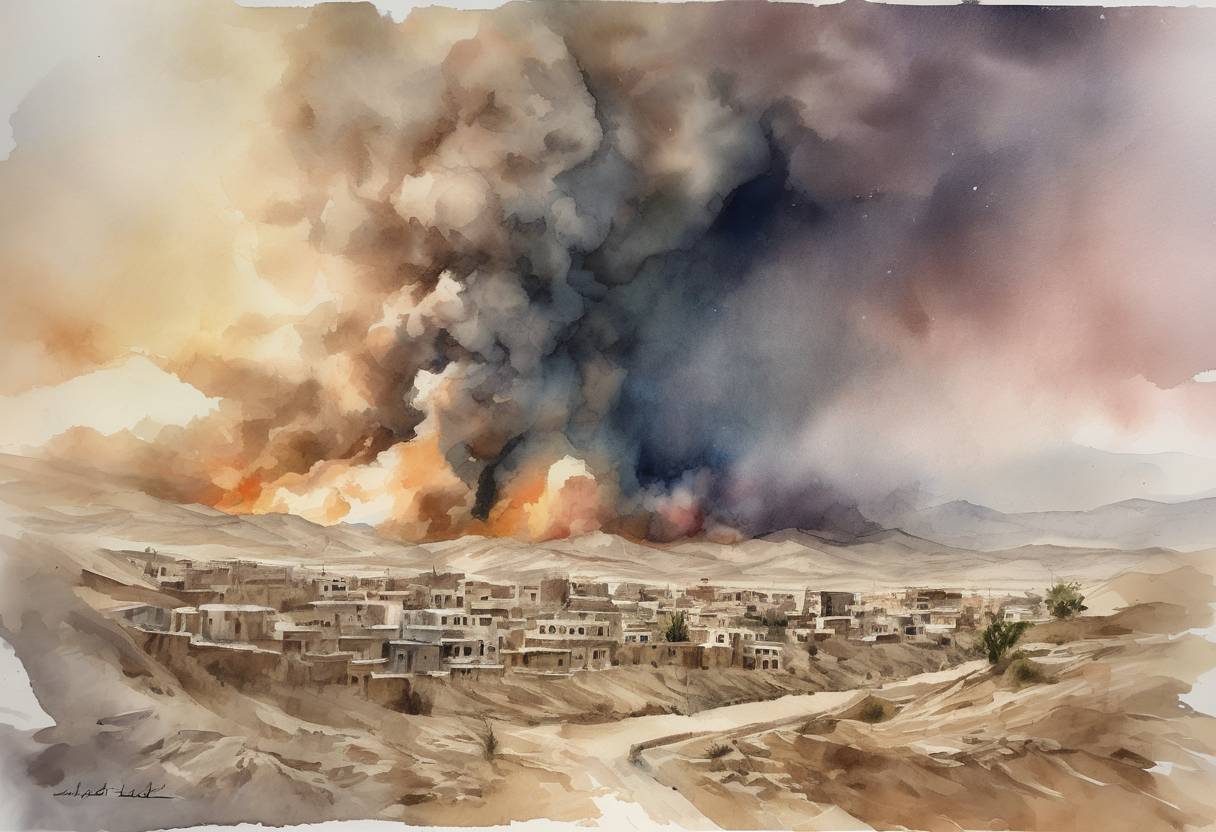
7.3 Magnitude Earthquake on the Iran-Iraq Border - November 14, 2017
On November 14, 2017, a powerful earthquake with a magnitude of 7.3 struck the Iran-Iraq border region, causing widespread devastation and significant loss of life. This seismic event is one of the deadliest earthquakes to hit the region in recent years.
Key Details
- Date and Time: The earthquake occurred on November 14, 2017, at approximately 21:48 local time.
- Magnitude: The earthquake registered a magnitude of 7.3.
- Epicenter: The epicenter was located near the town of Ezgeleh in Iran’s Kermanshah Province, close to the Iran-Iraq border.
- Depth: The earthquake had a shallow depth of about 19 kilometers (approximately 12 miles), which contributed to the extensive damage.
Impact
- Casualties: Over 600 people were killed, and thousands were injured. The majority of the casualties were reported in Iran, particularly in the Kermanshah Province.
- Infrastructure Damage: The earthquake caused significant structural damage to buildings and infrastructure. Many homes, particularly in rural areas, were destroyed or severely damaged.
- Displacement: Thousands of people were displaced, with many forced to live in temporary shelters as a result of the destruction of their homes.
Response and Aftermath
- Emergency Response: Both Iran and Iraq mobilized emergency response teams to provide aid and support to the affected areas. International aid organizations also offered assistance.
- Reconstruction Efforts: The Iranian government announced plans for reconstruction and financial aid to help rebuild the affected regions. Efforts focused on rebuilding homes and restoring infrastructure.
- Seismic Activity: The earthquake was followed by numerous aftershocks, which hampered relief efforts and added to the anxiety of the affected populations.
Historical Context
- Seismic Region: The Iran-Iraq border region is seismically active due to the complex tectonic interactions between the Arabian and Eurasian plates. This area has experienced numerous earthquakes throughout history.
- Previous Earthquakes: Iran has a long history of devastating earthquakes, including the 2003 Bam earthquake and the 1990 Manjil-Rudbar earthquake, both of which resulted in significant casualties and damage.
Broader Significance
This earthquake highlighted the vulnerability of the region to seismic activity and underscored the need for improved building standards and emergency preparedness measures. The event also demonstrated the importance of international cooperation in disaster response and recovery efforts.
The 2017 Iran-Iraq earthquake remains a poignant reminder of the destructive power of natural disasters and the resilience of affected communities in the face of adversity.