The Revolution in Printing: The Times of London, November 28, 1814
1814 · London, England
The Times in London is printed by automatic, steam-powered presses for the first time, marking a revolution in printing technology.
May 2, 1952
The world's first ever jet airliner, the De Havilland Comet, made its maiden flight from London to Johannesburg, marking a new era in commercial air travel.
London, England | De Havilland
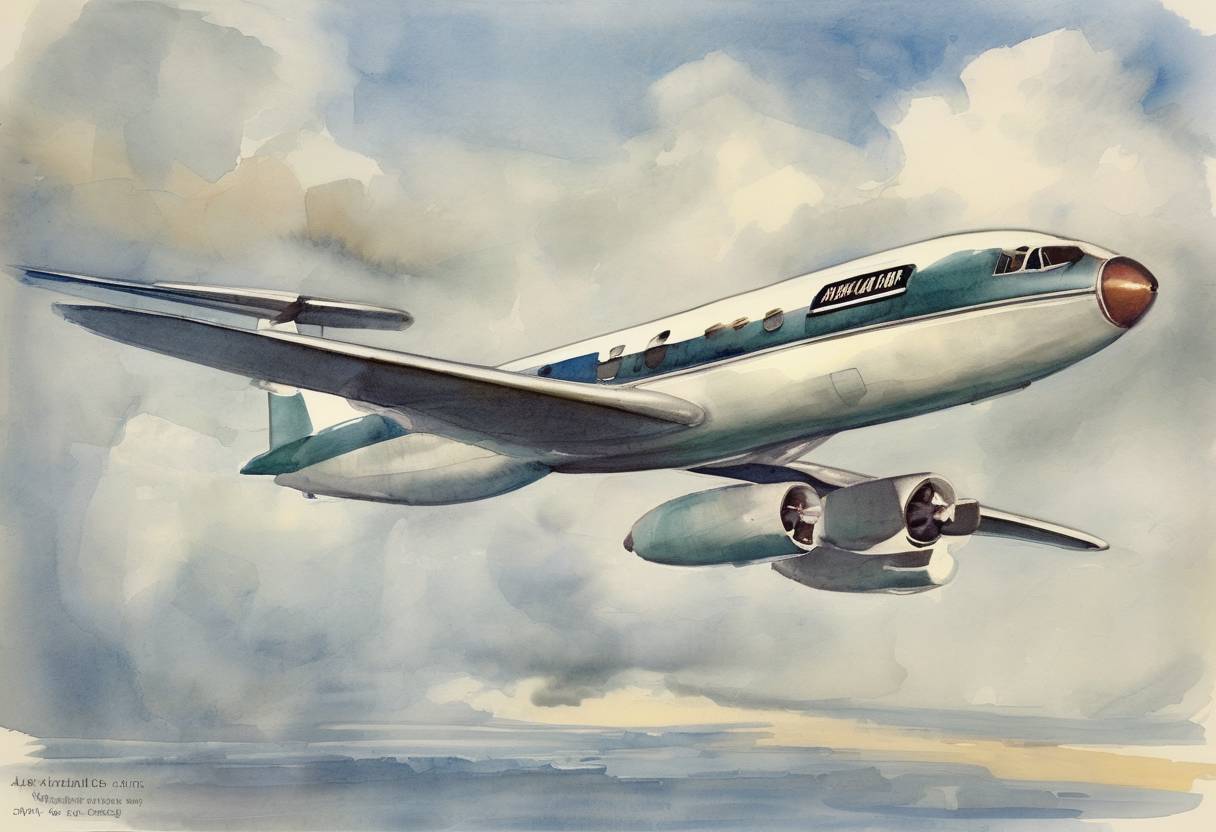
On May 2, 1952, the De Havilland Comet, the world’s first commercial jet airliner, embarked on its maiden flight from London to Johannesburg. This event marked a significant milestone in the history of aviation, heralding a new era of faster and more efficient air travel.
The development of the De Havilland Comet was a groundbreaking achievement in the post-World War II era. Designed and manufactured by the British aviation company De Havilland, the Comet was the first jet airliner to enter commercial service. Its development was part of a broader effort to leverage advancements in jet engine technology, which had been significantly accelerated during the war.
The flight was a demonstration of the Comet’s capabilities, showcasing its ability to significantly reduce travel time compared to propeller-driven aircraft. The journey from London to Johannesburg, a distance of approximately 6,200 miles, was completed in just over 23 hours, including several refueling stops. This was a remarkable improvement over the typical travel time for the route at the time.
The successful maiden flight of the Comet was a pivotal moment in commercial aviation. It demonstrated the potential of jet-powered flight to revolutionize air travel, making long-distance journeys faster and more accessible. The Comet’s introduction spurred other manufacturers to develop their own jet airliners, leading to rapid advancements in the industry.
However, the Comet’s early service was marred by a series of accidents due to structural failures, which were later attributed to metal fatigue. These incidents led to significant redesigns and improvements in aircraft safety standards, influencing future generations of jet airliners.
Despite its initial setbacks, the De Havilland Comet’s pioneering role in commercial aviation remains a testament to human ingenuity and the relentless pursuit of progress in air travel.
Source: en.wikipedia.org