Lombok Earthquake - July 29, 2018
2018 · Lombok, Indonesia
A 6.4 magnitude earthquake struck the island of Lombok in Indonesia, causing significant damage and loss of life, and was followed by a series of aftershocks.
December 24, 2018
A tsunami triggered by an undersea landslide caused by the eruption of Anak Krakatoa struck the Sunda Strait in Indonesia, resulting in over 400 deaths and widespread destruction.
Sunda Strait, Indonesia | Indonesian National Board for Disaster Management
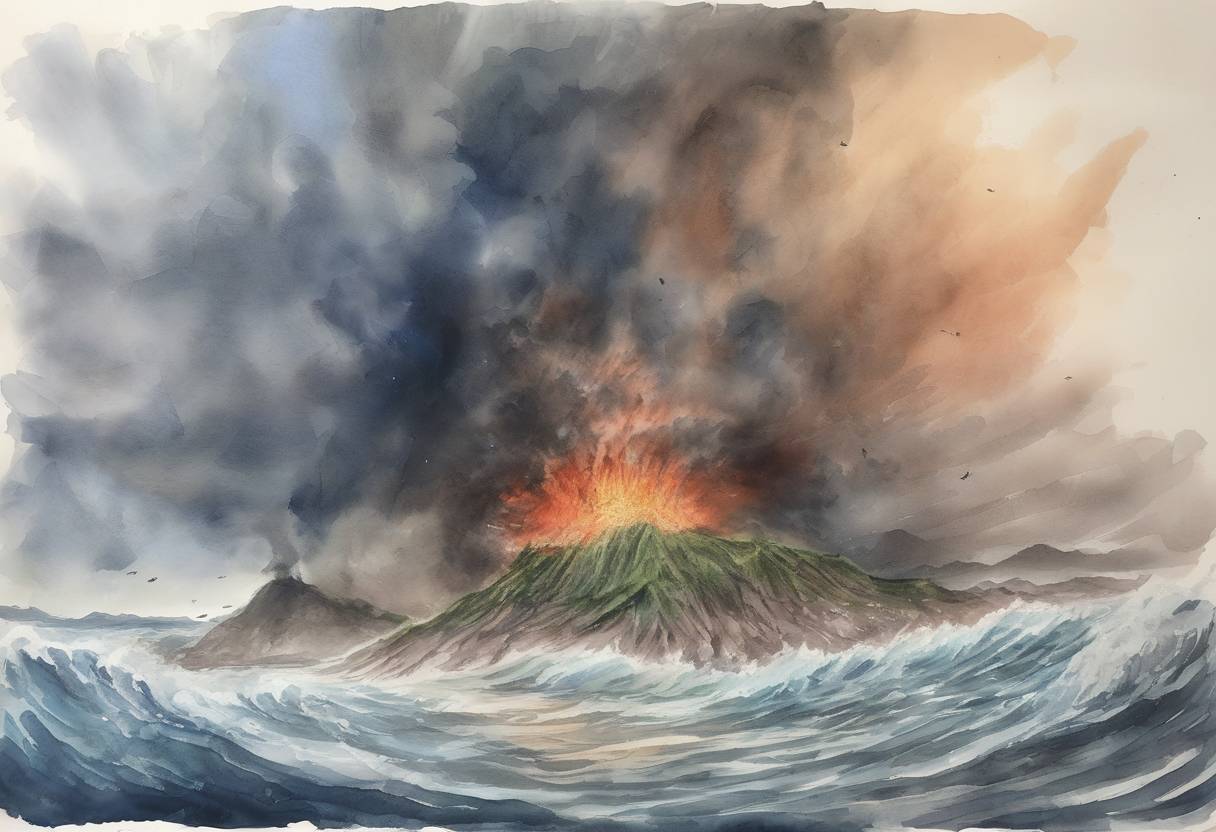
On December 22, 2018, a devastating tsunami struck the Sunda Strait in Indonesia, resulting in significant loss of life and widespread destruction. This natural disaster was triggered by an undersea landslide caused by the eruption of Anak Krakatoa, a volcanic island situated in the strait between the islands of Java and Sumatra.
Anak Krakatoa, meaning “Child of Krakatoa,” emerged from the caldera left by the infamous 1883 eruption of Krakatoa, one of the most violent volcanic events in recorded history. Since its formation, Anak Krakatoa has been an active volcano, with frequent eruptions that have gradually built up the island.
On December 22, 2018, Anak Krakatoa experienced a significant eruption. The volcanic activity led to a partial collapse of the volcano’s southwest flank, which triggered an undersea landslide. This landslide displaced a large volume of water, generating a tsunami that struck the surrounding coastlines of the Sunda Strait.
The tsunami waves hit the coastlines of Banten province on Java and Lampung province on Sumatra without any prior warning, as the event was not triggered by seismic activity typically associated with tsunamis. This lack of warning contributed to the high casualty rate and extensive damage.
Casualties and Damage: The tsunami resulted in over 400 deaths and injured thousands more. It caused significant destruction to infrastructure, homes, and businesses along the coastlines. The popular tourist destination of Tanjung Lesung was among the hardest-hit areas.
Response and Recovery: The Indonesian government, along with international aid organizations, launched immediate rescue and relief operations. Efforts focused on searching for survivors, providing medical care, and delivering essential supplies to affected communities.
The 2018 Sunda Strait tsunami highlighted the challenges of predicting and preparing for tsunamis triggered by volcanic activity, as opposed to those caused by earthquakes. It underscored the need for improved early warning systems and increased public awareness and preparedness for such events.
In the aftermath, Indonesia’s disaster management agencies worked to enhance monitoring of volcanic activity and improve communication systems to provide timely warnings to vulnerable populations.
The event also served as a reminder of the region’s vulnerability to natural disasters, given its location along the Pacific Ring of Fire, an area known for its seismic and volcanic activity.
The 2018 tsunami in the Sunda Strait was a tragic event that underscored the unpredictable nature of volcanic activity and its potential to cause widespread devastation. It prompted efforts to improve disaster preparedness and response mechanisms in Indonesia and highlighted the importance of ongoing research and monitoring of volcanic regions.
Source: www.bbc.com