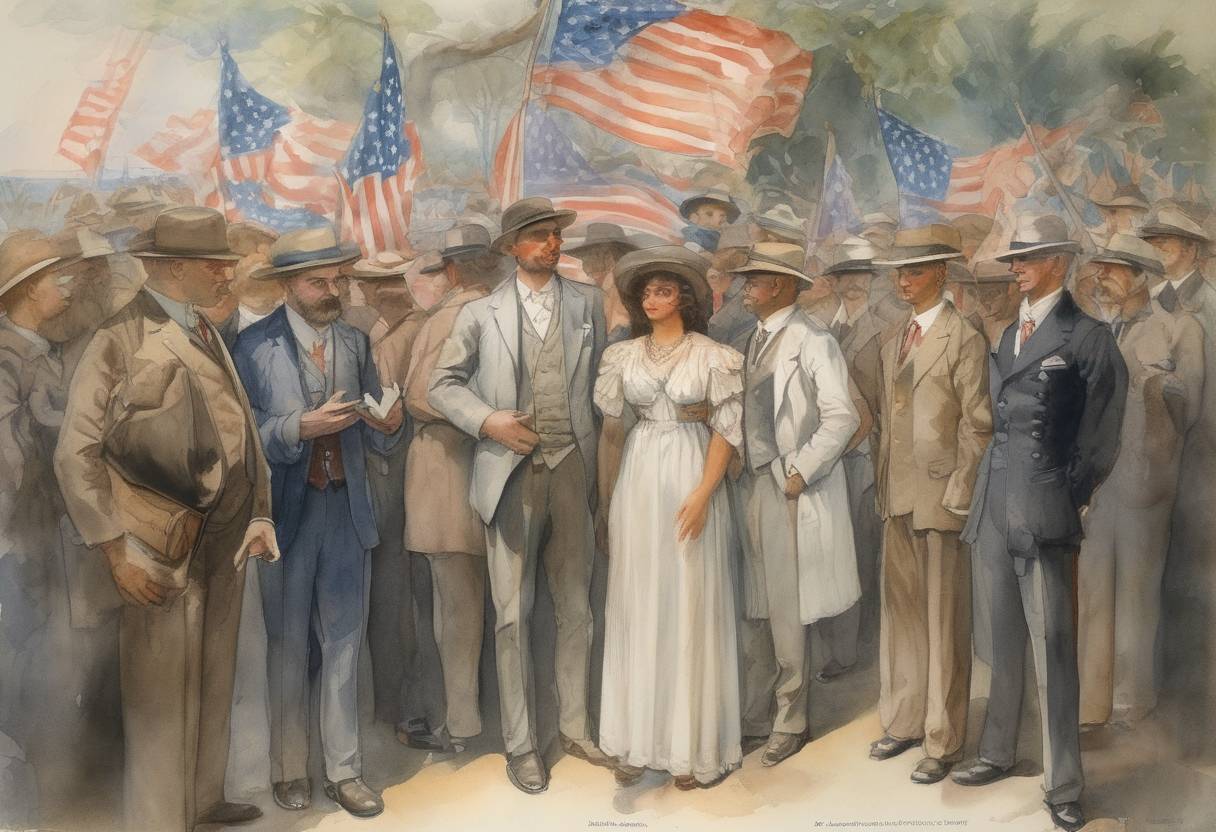
The Jones-Shafroth Act: Granting U.S. Citizenship to Puerto Ricans
On March 2, 1917, the Jones-Shafroth Act was enacted, marking a significant moment in the history of Puerto Rico and its relationship with the United States. This legislation granted U.S. citizenship to the residents of Puerto Rico, a pivotal change in the island’s political and social landscape.
Background
Puerto Rico became a territory of the United States following the Spanish-American War in 1898, under the Treaty of Paris. Initially, the Foraker Act of 1900 established a civilian government on the island but did not extend U.S. citizenship to Puerto Ricans. Instead, they were designated as “citizens of Puerto Rico,” which limited their rights and political representation.
Key Provisions of the Jones-Shafroth Act
U.S. Citizenship: The most notable provision of the Jones-Shafroth Act was the granting of U.S. citizenship to Puerto Ricans. This change allowed Puerto Ricans to travel freely to the mainland United States and provided them with certain legal protections under U.S. law.
Governmental Structure: The Act restructured the Puerto Rican government, creating a bicameral legislature with a House of Representatives and a Senate. It also established an executive council, which included a governor appointed by the President of the United States.
Bill of Rights: The Act included a bill of rights for Puerto Ricans, ensuring civil liberties such as freedom of speech, assembly, and religion.
Economic and Fiscal Reforms: It addressed economic issues by allowing Puerto Rico to issue bonds and manage its own budget, albeit under certain restrictions.
Context and Motivations
The enactment of the Jones-Shafroth Act was influenced by several factors:
World War I: With the United States on the brink of entering World War I, there was a strategic interest in securing Puerto Rico’s loyalty and ensuring its residents could be drafted into the U.S. military.
Political Pressure: There was growing pressure from Puerto Rican leaders and activists who sought greater autonomy and rights for the island’s residents.
Economic Considerations: The U.S. government recognized the need to stabilize and develop Puerto Rico’s economy, which was struggling under the constraints of its colonial status.
Aftermath and Significance
The granting of U.S. citizenship to Puerto Ricans had profound implications:
Military Service: Thousands of Puerto Ricans served in the U.S. military during World War I, contributing to the war effort and highlighting their role as American citizens.
Political Representation: While the Act provided for a more democratic local government, Puerto Ricans still lacked full representation in the U.S. Congress, a situation that persists today.
Cultural Identity: The dual identity of being both Puerto Rican and American has continued to shape the cultural and political discourse on the island.
The Jones-Shafroth Act remains a cornerstone in the complex relationship between Puerto Rico and the United States, setting the stage for ongoing debates about the island’s political status and rights of its residents.