Dachau Concentration Camp: Opening on March 20, 1933
1933 · Dachau, Germany
The Dachau concentration camp, the first of the Nazi concentration camps, was completed and opened in Germany.
March 21, 1933
The first Nazi concentration camp, Dachau, was opened in Germany. It was initially intended to hold political prisoners and became a model for other concentration camps that followed.
Dachau, Germany | Nazi Germany
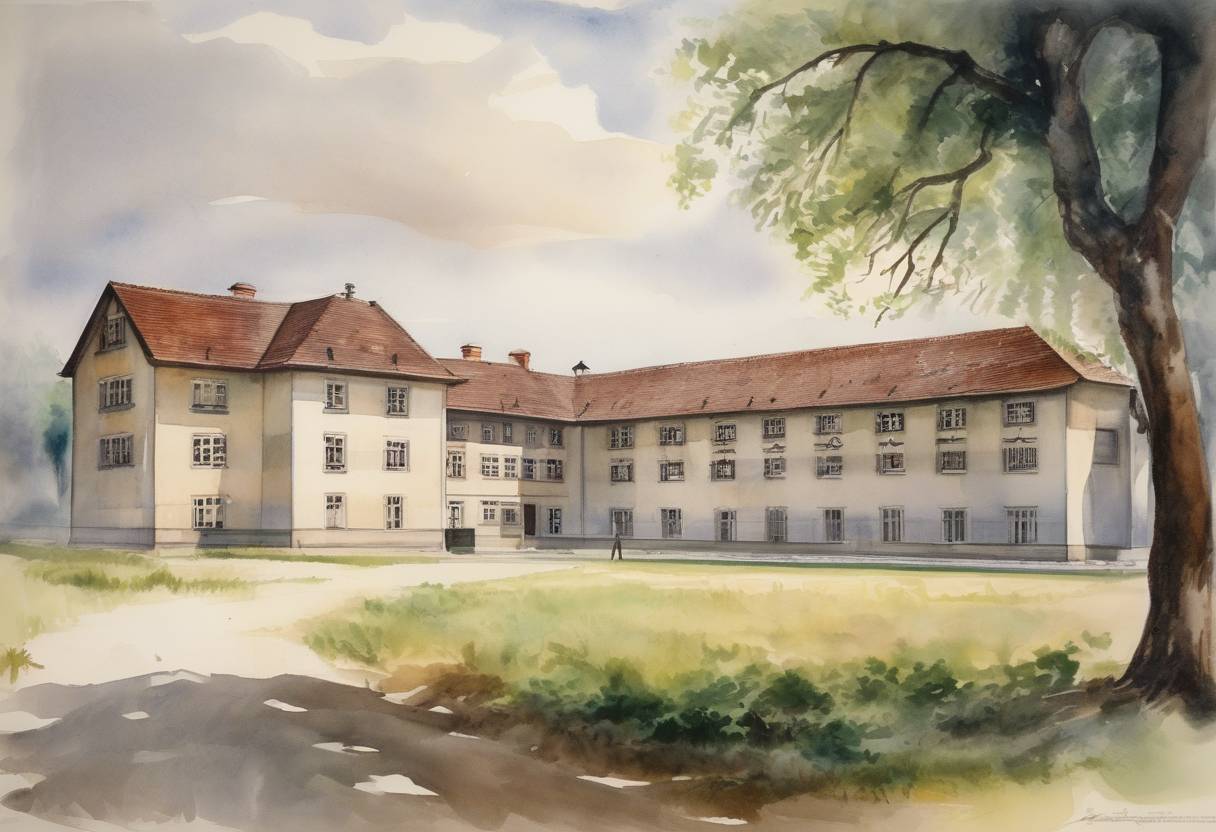
On March 22, 1933, the Nazi regime opened the Dachau concentration camp, marking a significant and grim development in the history of Nazi Germany. Located near Munich in southern Germany, Dachau was the first regular concentration camp established by the National Socialist (Nazi) government, and it served as a prototype and model for the network of camps that would follow.
Rise of the Nazi Party: Adolf Hitler was appointed Chancellor of Germany on January 30, 1933. The Nazi Party quickly moved to consolidate power, targeting political opponents, particularly Communists and Social Democrats, who were seen as threats to their regime.
Reichstag Fire: On February 27, 1933, the Reichstag building, home of the German parliament, was set on fire. The Nazis used this event to justify a crackdown on political dissent, leading to the arrest of thousands of political opponents.
Purpose: Initially, Dachau was intended to hold political prisoners, primarily Communists, Social Democrats, and other political adversaries of the Nazi regime. It was part of a broader strategy to eliminate opposition and instill fear among the populace.
Leadership: Heinrich Himmler, then the Munich Police President and later head of the SS, announced the camp’s opening. The SS (Schutzstaffel), a paramilitary organization loyal to Hitler, was tasked with overseeing the camp.
Design and Operation: Dachau became the blueprint for future concentration camps. It featured a system of brutal discipline, forced labor, and dehumanizing conditions. The camp’s infrastructure and operational procedures were replicated in other camps across Nazi-occupied Europe.
Model for Future Camps: Dachau’s establishment marked the beginning of a vast network of concentration camps that would spread across Europe. These camps became sites of immense suffering and death, particularly during the Holocaust.
Evolution of Nazi Policy: Initially focused on political prisoners, the camp’s purpose expanded over time to include Jews, Romani people, homosexuals, Jehovah’s Witnesses, and other groups deemed undesirable by the Nazi regime.
Legacy: Dachau remained operational until it was liberated by American forces on April 29, 1945. The camp’s history serves as a stark reminder of the atrocities committed during the Nazi era and the importance of remembering and learning from the past.
Dachau’s opening was a pivotal moment in the history of Nazi Germany, setting the stage for the widespread persecution and genocide that would follow. It stands as a symbol of the regime’s brutality and the systematic approach to oppression that characterized the Holocaust.
Source: www.ushmm.org