William J. Schroeder: First Artificial Heart Patient to Leave the Hospital
1985 · Louisville, United States
William J. Schroeder became the first artificial heart patient to leave the hospital.
December 2, 1982
Barney Clark became the first human to receive a permanent artificial heart, the Jarvik-7, in a surgery performed by Dr. William DeVries.
Salt Lake City, United States | University of Utah
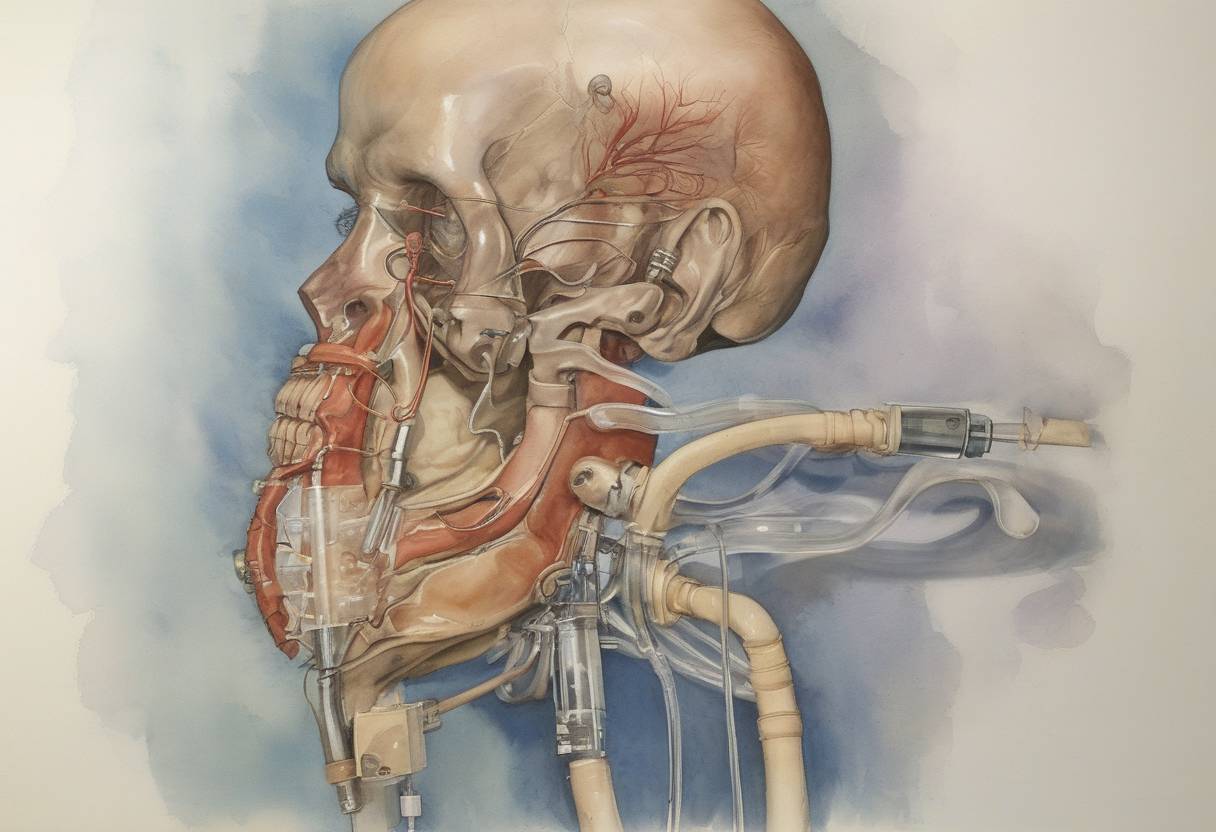
On December 2, 1982, a groundbreaking event in medical history took place when Barney Clark, a retired dentist from Seattle, became the first human to receive a permanent artificial heart. This pioneering surgery was performed by Dr. William DeVries at the University of Utah Medical Center. The artificial heart used in this procedure was the Jarvik-7, named after its principal designer, Dr. Robert Jarvik.
The development of artificial hearts had been a long-standing goal in medical science, driven by the need to find solutions for patients with end-stage heart failure who were not candidates for heart transplants. The Jarvik-7 was the culmination of years of research and development, representing a significant advancement in biomedical engineering.
The surgery lasted approximately seven hours and was considered a success in terms of the implantation process. Clark’s condition was closely monitored as he became the first person to live with a permanent artificial heart.
The Jarvik-7 and Barney Clark’s experience underscored the potential and challenges of artificial heart technology. It inspired continued research and development, leading to more advanced and reliable devices in the years that followed. The event remains a landmark moment in the history of medicine, symbolizing human ingenuity and the relentless pursuit of life-saving innovations.
Source: en.wikipedia.org